When to Hire a Marketing Agency for Your Telehealth Brand
A founder's read on the stage signals that mean it is time, the ones that mean wait, and the hybrid options for everyone in between.
Concepts shown are internal creative studies, not client campaigns.



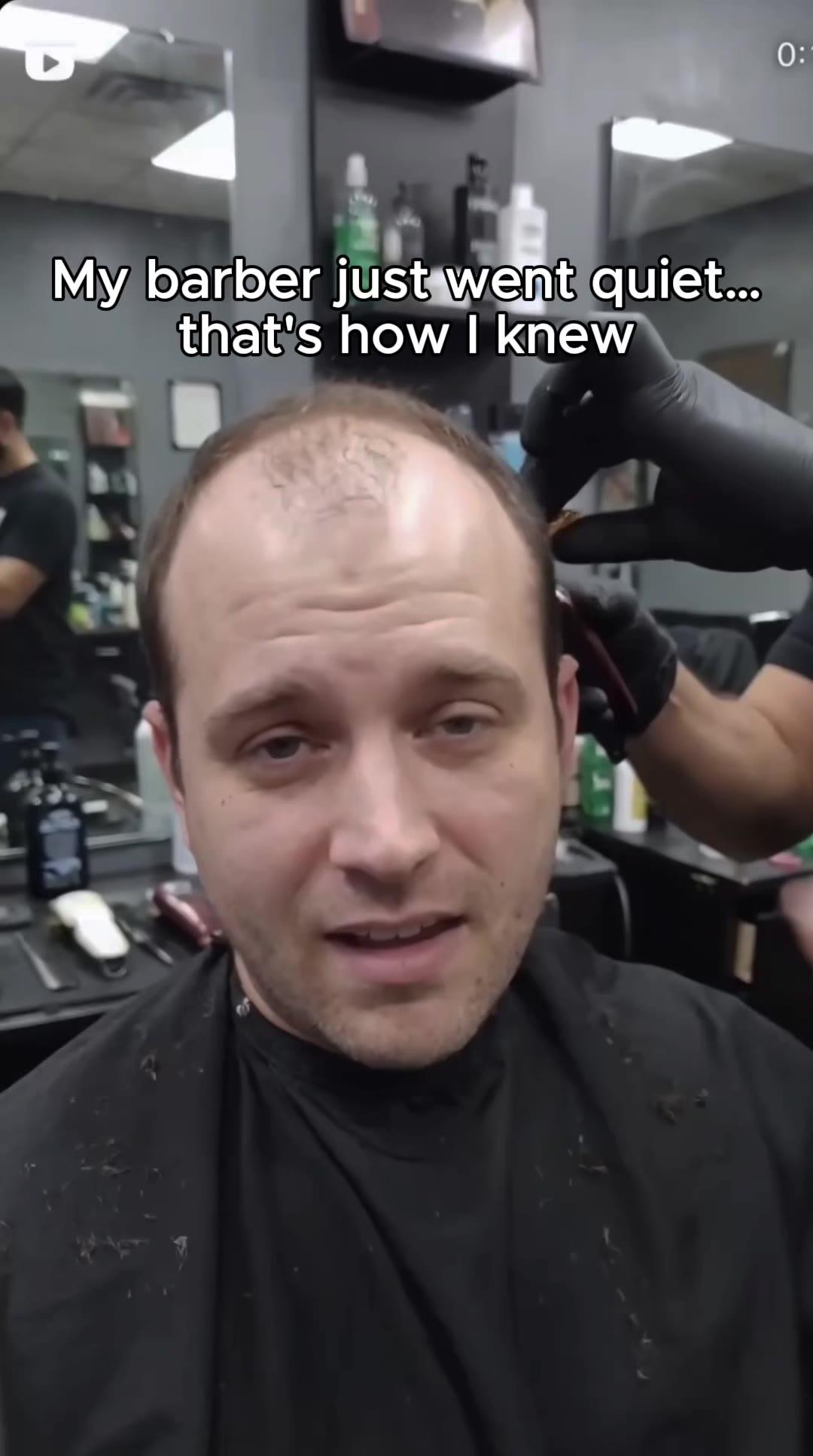





Hiring a marketing agency too early wastes money. Hiring too late costs growth. Most telehealth founders eventually make this decision, and most make it at the wrong moment. The two common failure modes are hiring a full-service agency before product-market fit (and burning $50K on premature optimization) or holding out too long, trying to grow on internal capacity that cannot keep up with what the category requires.
Here is how to time the agency decision for a telehealth brand: the signals that mean it is the right moment, the signals that mean wait, and the in-between options that work for most founders.
Signals You Are Ready
You have proof of patient acquisition at small scale. At least 90 days of consistent paid social or organic acquisition with a known cost per paying patient. Agencies cannot fix a broken offer or unclear positioning; they can only amplify what is already working.
You are spending $30K+ monthly on paid social and the internal team is at capacity. At this spend level the creative and operational workload exceeds what one or two internal marketers can handle while also doing strategy.
You have hit a ceiling you cannot diagnose. If you have been at the same monthly patient volume for three months despite increasing spend, an experienced agency will identify the constraint faster than internal experimentation.
Your ad accounts are getting flagged and you do not have a recovery process. Compliance discipline takes years to build internally. A specialist agency can plug this gap immediately.
Signals You Are Not Ready
You have not closed your first 100 paying patients. Agencies cannot create demand that does not exist or fix unit economics that do not work. Spend that first phase finding product-market fit before adding agency overhead.
Your offer or pricing changes monthly. Agencies need stability to build creative engines and campaign structures. A brand that pivots every six weeks will burn agency hours without measurable progress.
Your retention is below 50% at month six. Acquisition spend on a leaky funnel is the most expensive mistake in telehealth. Fix retention first, scale acquisition second.
You are looking to an agency to write your strategy from scratch. Agencies execute strategy well; they create it poorly. Founders should have a clear point of view on positioning, target audience, and category focus before they hire.
The Hybrid Options Most Founders Should Consider
Fractional marketing leadership plus a production partner. Hire a fractional CMO or VP-level operator for 10-20 hours a week, paired with a creative production partner who ships 25-50 ads per month. This typically costs less than a full-service agency and gives the founder senior thinking without full agency overhead. For more context, see telehealth paid social: in-house vs agency.
Agency for creative production only. Keep paid social strategy internal, outsource the creative engine. Useful at $20-50K monthly spend where the founder has paid social experience but creative volume is the bottleneck.
Agency for paid social management only. Keep creative internal (or use a separate UGC studio), outsource campaign management and platform expertise. Useful when the brand has strong creative chops but lacks platform fluency.
Concepts we ship across every awareness stage.
See the work →What the Right Sequence Looks Like
Pre-launch through month 3: founder or first marketing hire runs paid social directly. Goal is product-market fit, not scale. No agency.
Month 3-9: bring in a fractional senior operator if internal capacity is limited. Add a creative production partner once you are spending $25K+ monthly.
Month 9-18: graduate to a full-service performance agency once you are spending $50K+ monthly and have proven economics. The agency should bring strategy, creative volume, and platform expertise as a single package.
Month 18+: revisit the model. Some brands move back to a hybrid in-house plus production partner setup at this stage. Others stay with the full-service agency through scale.
What Founders Misjudge
Agencies do not save time without setup investment. The first 30 days of any agency engagement require significant founder attention. Founders who think hiring an agency means they can stop paying attention to marketing usually end up with a worse outcome than running it themselves.
Agencies are not interchangeable. A good GLP-1 agency may be a weak TRT agency. A senior creative shop may not have the platform fluency you need. Treat agency selection as a category-specific decision, not a generic vendor sourcing.
The transition out is harder than the transition in. Plan for clean creative asset ownership, account access transitions, and a documented handover process before you sign. Most founders skip this and regret it when the engagement ends.
The Short Version
Hire a marketing agency when you have proof of patient acquisition at small scale, you are spending $30K+ monthly, and your internal capacity is the bottleneck. Wait if you do not have product-market fit, your offer is still pivoting, or your retention math is broken. For most founders, a hybrid model (fractional leadership plus production partner) is the right stepping stone between solo and full-service.
Related Articles
How to Choose a Marketing Agency for Your Telehealth Brand
How to evaluate telehealth marketing agencies.
How Much Does a Telehealth Marketing Agency Cost?
Real pricing ranges for telehealth marketing agencies in 2026.
Telehealth Paid Social: In-House vs Agency
Capability and cost comparison for telehealth paid social teams.
How to Brief a Creative Agency for Telehealth Ads
How to brief a telehealth creative partner.
Ready to build a testing system that scales?
A 30-minute call. We audit your creative approach and show you exactly what a complete angle-format-hook system looks like for your vertical.