Why Meta Rewards Angle Variety Not Hook Variety
The reason Meta rewards angle variety over hook variety is rooted in how the auction actually works — who it shows your ad to, what signal it uses to decide, and what happens when that signal saturates. Hook testing has a ceiling. Angle variety does not.
Concepts shown are internal creative studies, not client campaigns.



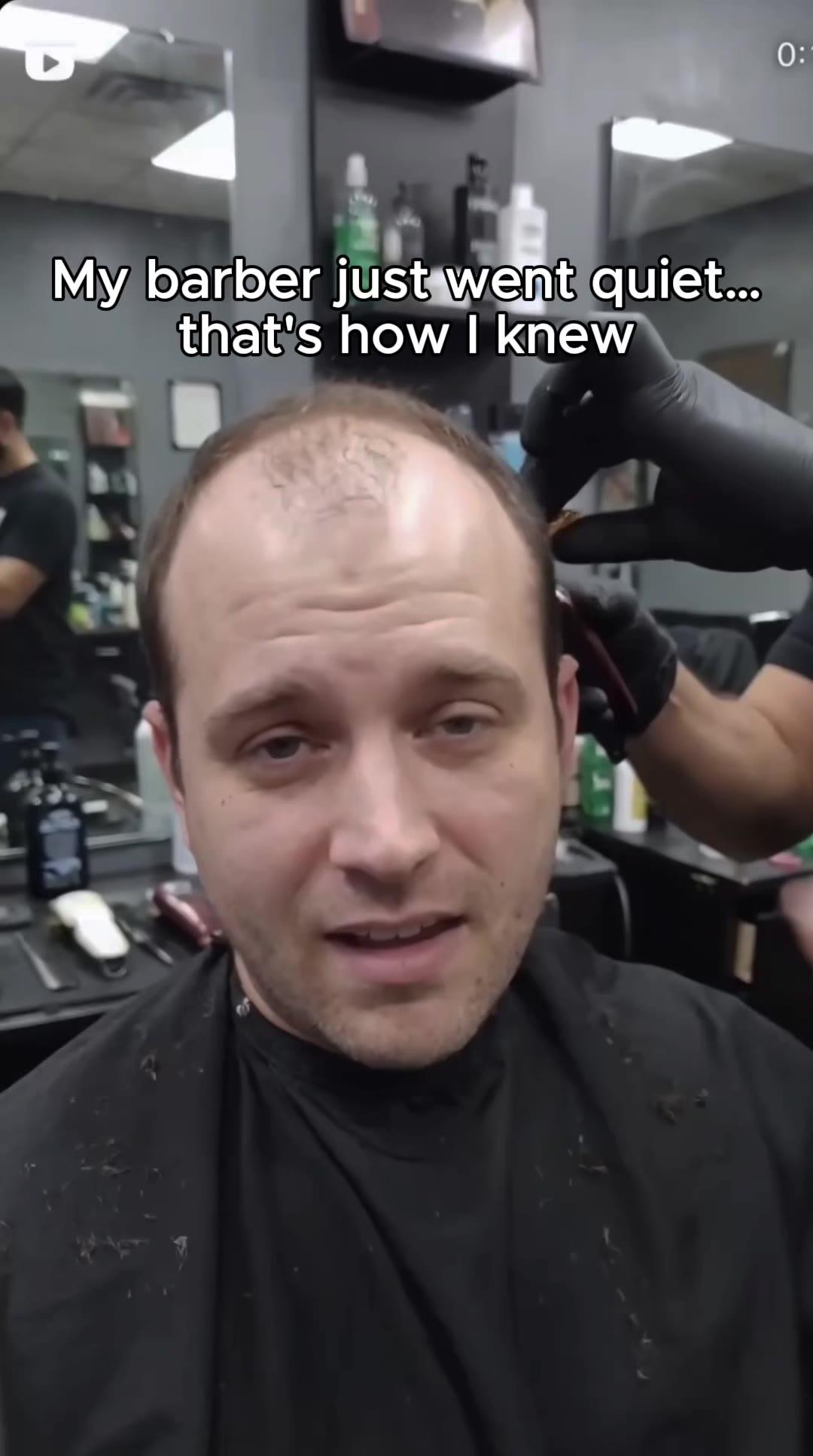

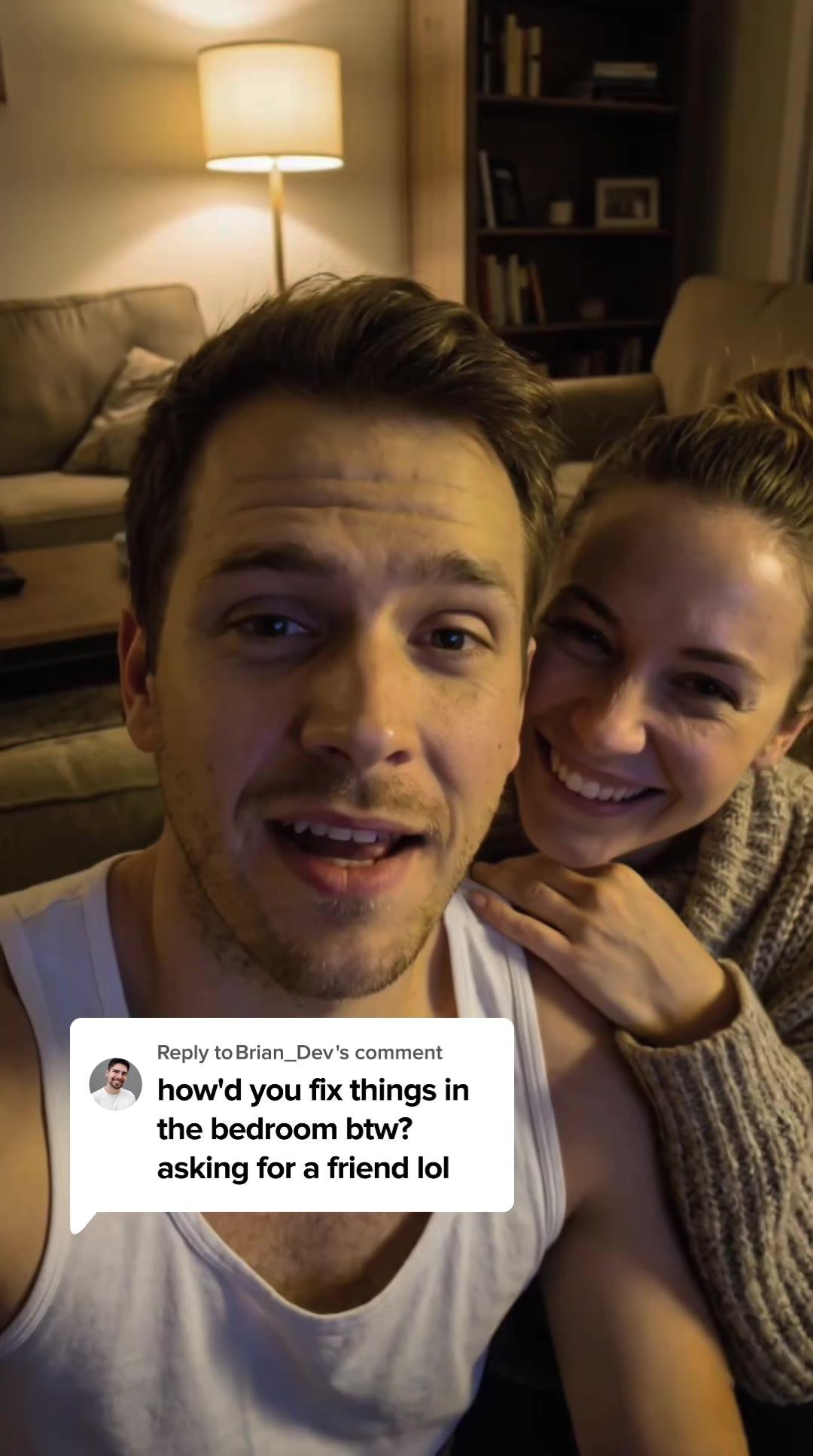


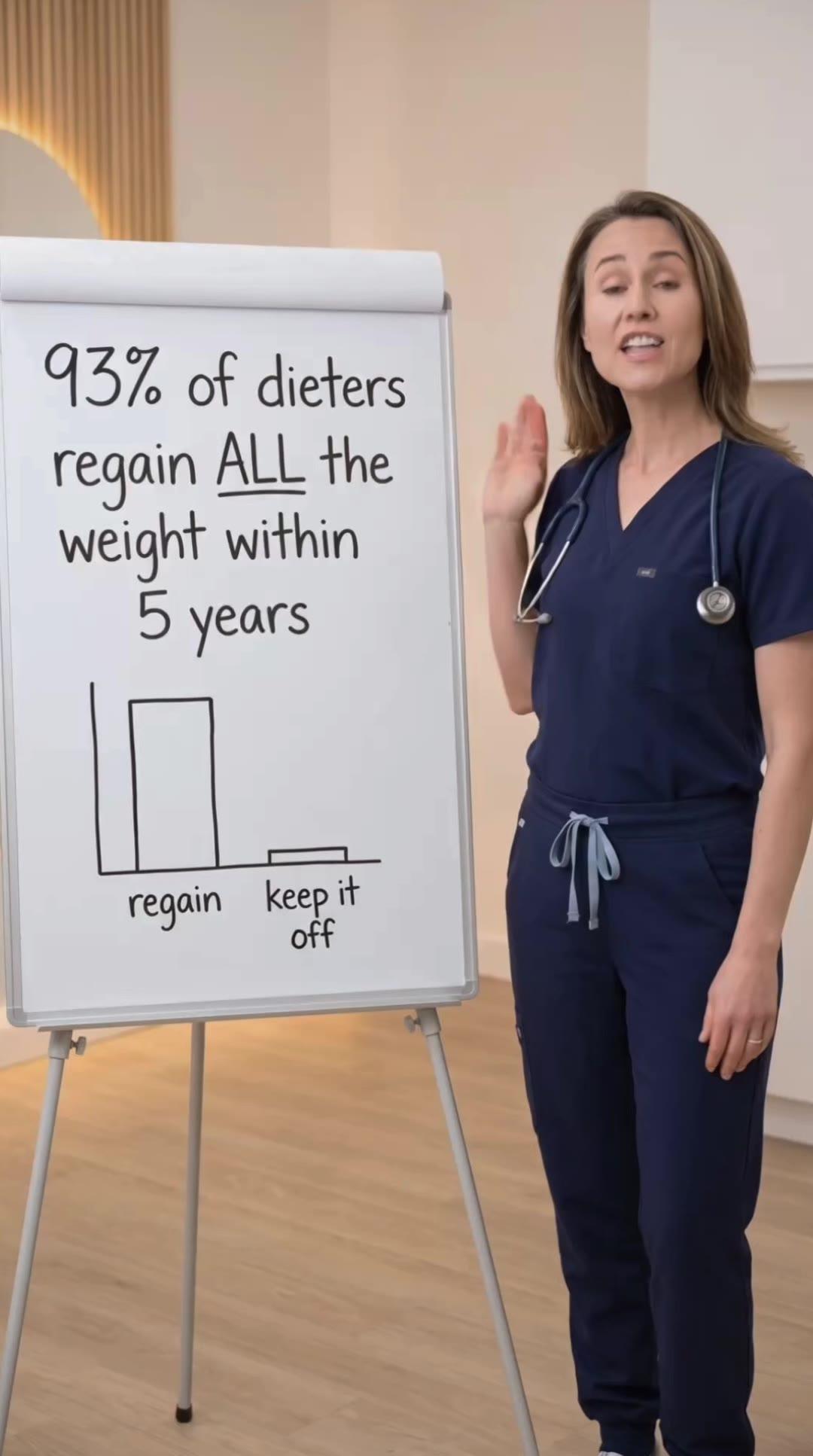
The conventional wisdom in paid social is that hooks matter most. Get the first three seconds right, test multiple hooks against the same video body, find the winner, and scale. This advice is not wrong — hooks do matter, and testing them generates real information. But it is incomplete in a way that costs telehealth brands significant performance at scale.
The deeper opportunity is not hook optimization within a single angle. It is angle variety across the full creative portfolio. Understanding why requires understanding how the Meta auction actually distributes spend and what signals it is optimizing against.
How the Auction Works at a Conceptual Level
Meta's auction is matching ads to people. For each impression opportunity, the system selects the ad most likely to generate the outcome the advertiser has set — conversion, click, engagement — given what it knows about the person seeing the ad. The quality of that match is the core of ad performance.
When you have one angle in your account, the system has one type of audience signal to match against. It shows that ad to people who look like the audience that responded to it before. As that audience saturates — as more and more of the people most likely to respond to that angle have seen it — frequency rises, response rate falls, and the cost per acquisition climbs.
Adding hook variations to the same angle does not change the audience the system is targeting. Both hooks are trying to reach the same type of person with the same demand premise. The signal is not new. The system has already identified the audience for that angle. Hook testing tells you which version of the first sentence performs better for an audience the algorithm has already found. It does not open a new audience segment.
What a New Angle Does
A new angle — meaning a genuinely different demand premise, not a reworded version of the same argument — creates new audience signal. The system now has a different type of response to learn from. People who engage with the new angle are a different audience than people who engaged with the original. The algorithm maps that new audience and, if the signal is strong enough, starts finding more people like them efficiently.
This is why accounts with multiple strong angles at scale tend to outperform accounts with one strong angle and many variations. The multi-angle account is effectively reaching more of the total addressable audience. Each angle is a door into a different segment. Hook optimization is polishing one door. Angle development is building new ones.
For telehealth brands, where the potential audience is wide but heterogeneous — people in different life stages, with different prior relationships to healthcare, in different emotional states about their condition — the demand for new angles is high. There is genuinely a large set of people who would buy from you if you addressed their specific situation. The angle library is the tool for reaching them.
The Saturation Dynamic
Angle saturation is distinct from creative fatigue, though they are related. Creative fatigue is when an individual ad's performance declines because the same people have seen it too many times. Angle saturation is when the performance of an entire angle declines because the available audience for that demand premise has been largely exhausted.
Creative fatigue can be addressed by refreshing the execution — new creator, new hook, new format — while keeping the angle. This is legitimate and often effective. But if the underlying angle is saturated, refreshing the execution will not fully restore performance. The ceiling for that angle has been reached. The path forward is a new angle that accesses a different audience segment.
Brands that only test hook variations within a saturating angle will keep trying to squeeze performance from a declining pool. They will produce more variations, iterate the hook language, try different creators, change the music. None of it will sustain performance because the constraint is not the execution. It is the angle reaching the end of its available audience.
Concepts we ship across every awareness stage.
See the work →The Signal Value Difference
There is also a signal quality difference between hook testing and angle testing. When you test two hooks on the same angle, you learn something narrow: which phrasing of the same argument is slightly more compelling for the audience already identified. The learning is real but has limited transfer value. It tells you about hook phrasing, not about the audience.
When you test two different angles, you learn something broader: which demand premise resonates more strongly with the available audience, which type of person is more responsive to your offer, which emotional territory is more productive to be in. That learning transfers. It informs the next brief, the next angle hypothesis, the next audience segment to explore. Angle-level learning compounds. Hook-level learning mostly does not.
The accounts that generate compounding performance over time are the ones where each month's creative sprint builds on angle-level insights from the previous month. The new angles are not random — they are adjacent to or derived from what the winning angles taught the team about the audience. The creative program is an ongoing learning process, not a production cycle.
What This Means for Account Structure
If angle variety is the driver of performance, the account structure needs to make angle performance readable. Running multiple angles within the same ad set makes it impossible to understand which angle is generating which result. The algorithm will favor whatever generates early signal and the weaker angles will not get meaningful spend. You learn almost nothing.
Separating angles into their own ad sets — or at minimum, tagging ads by angle in your naming convention — gives you the reporting clarity to understand which angle is working and which is not. That clarity is the precondition for angle-level learning. Without it, you are running angle experiments with no ability to read the results.
The structural details of how to build this are in how to structure ad sets by angle. The key principle is that the account structure should reflect the strategic structure of your creative program — angle-based, not format-based or creator-based.
Practical Implications
This does not mean hook testing is not worth doing. It is. In a well-run creative program, hook testing happens within a proven angle to maximize efficiency on a high-performing premise. But hook testing should be a secondary priority to angle development, not the primary one. The ratio of time and budget spent on angle development versus hook optimization is a useful indicator of whether a creative program is generating real learning or incremental refinement.
If more than half of your creative testing budget is going to hook variations within existing angles, there is a good chance you are leaving significant performance on the table. The platform has more to give. The addressable audience is larger than the segment your current angles are reaching. The investment in new angle development is the investment in reaching the rest of it.
Related Articles
How to Structure Ad Sets by Angle for Clean Reporting
Account structure that makes angle-level learning readable in your reporting.
Why Creative Variety Beats Volume for Telehealth Ads
The case for genuine angle variety over raw creative volume.
What Independent Demand Angles Are and Why They Matter
A precise definition of independent demand angles and how to find them.
Macro vs Micro Creative Changes in Telehealth Ad Testing
The distinction between changes that shift demand premise and changes that shift execution.
Ready to build a testing system that scales?
A 30-minute call. We audit your creative approach and show you exactly what a complete angle-format-hook system looks like for your vertical.