Telehealth Ads for Older Men: What Actually Works
A founder's view on telehealth ads that earn attention and convert with men 40-65. Tone, formats, channels, and the creative choices that separate ads this audience watches from ads they scroll past.
Concepts shown are internal creative studies, not client campaigns.
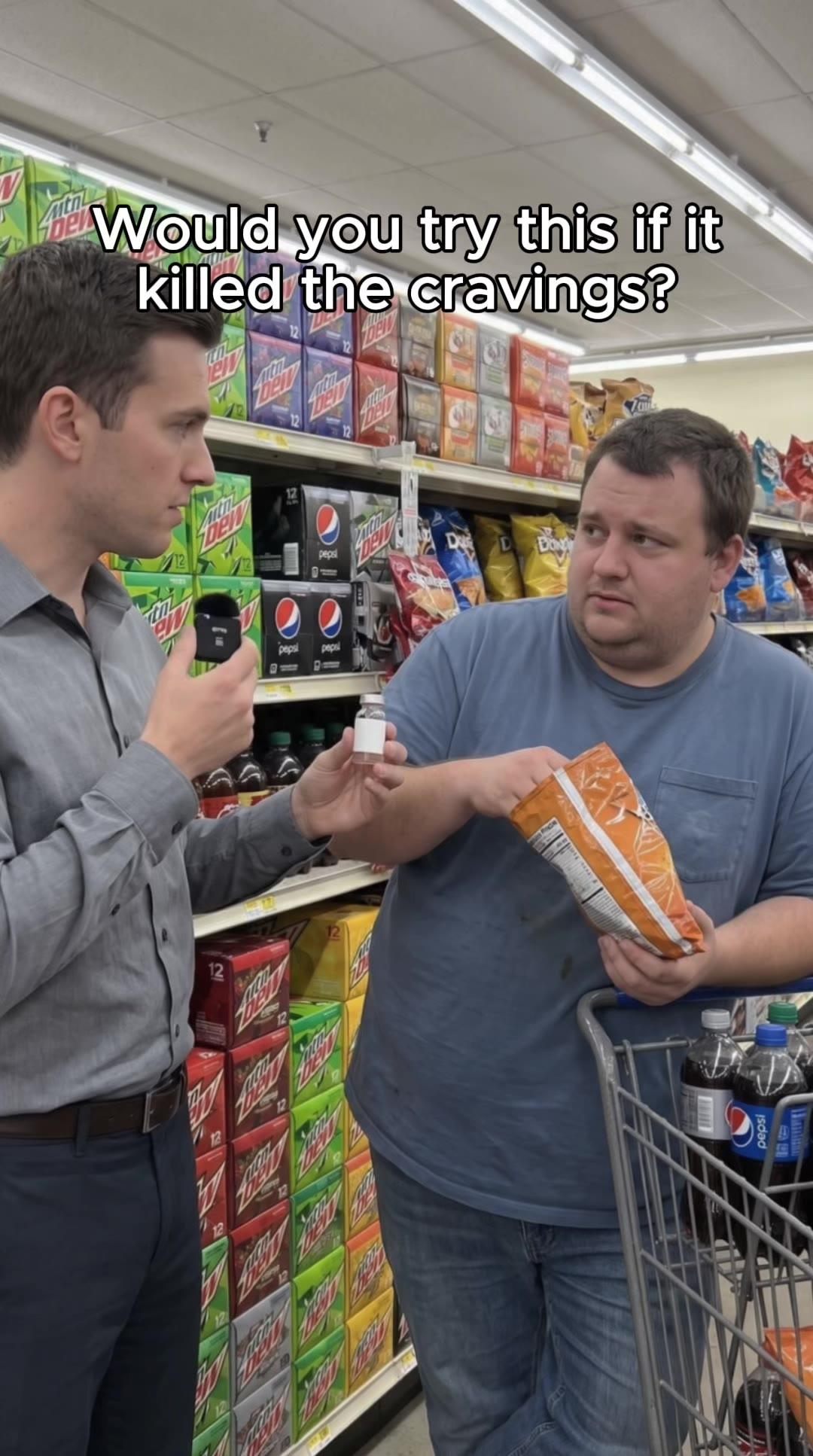
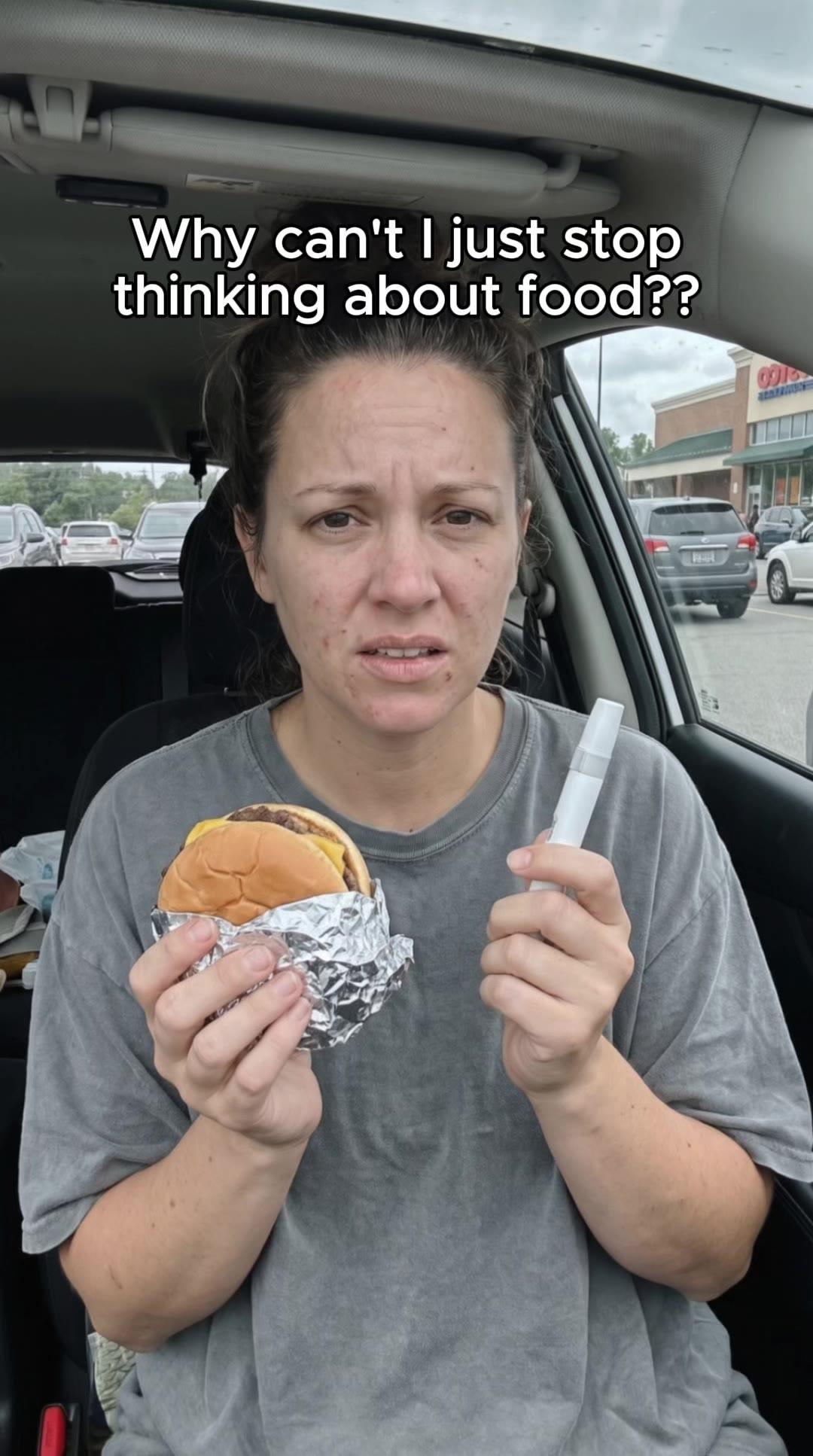
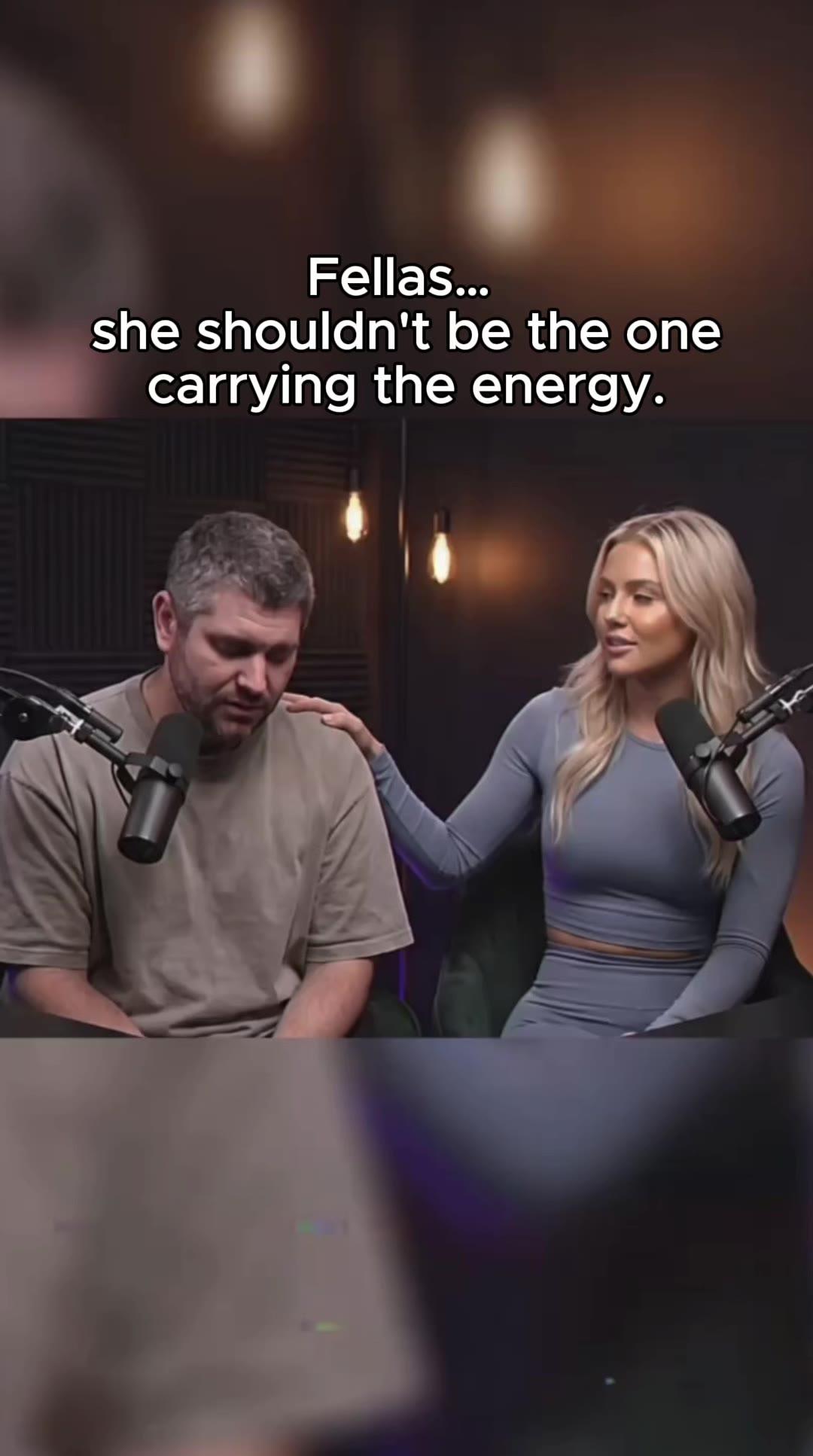
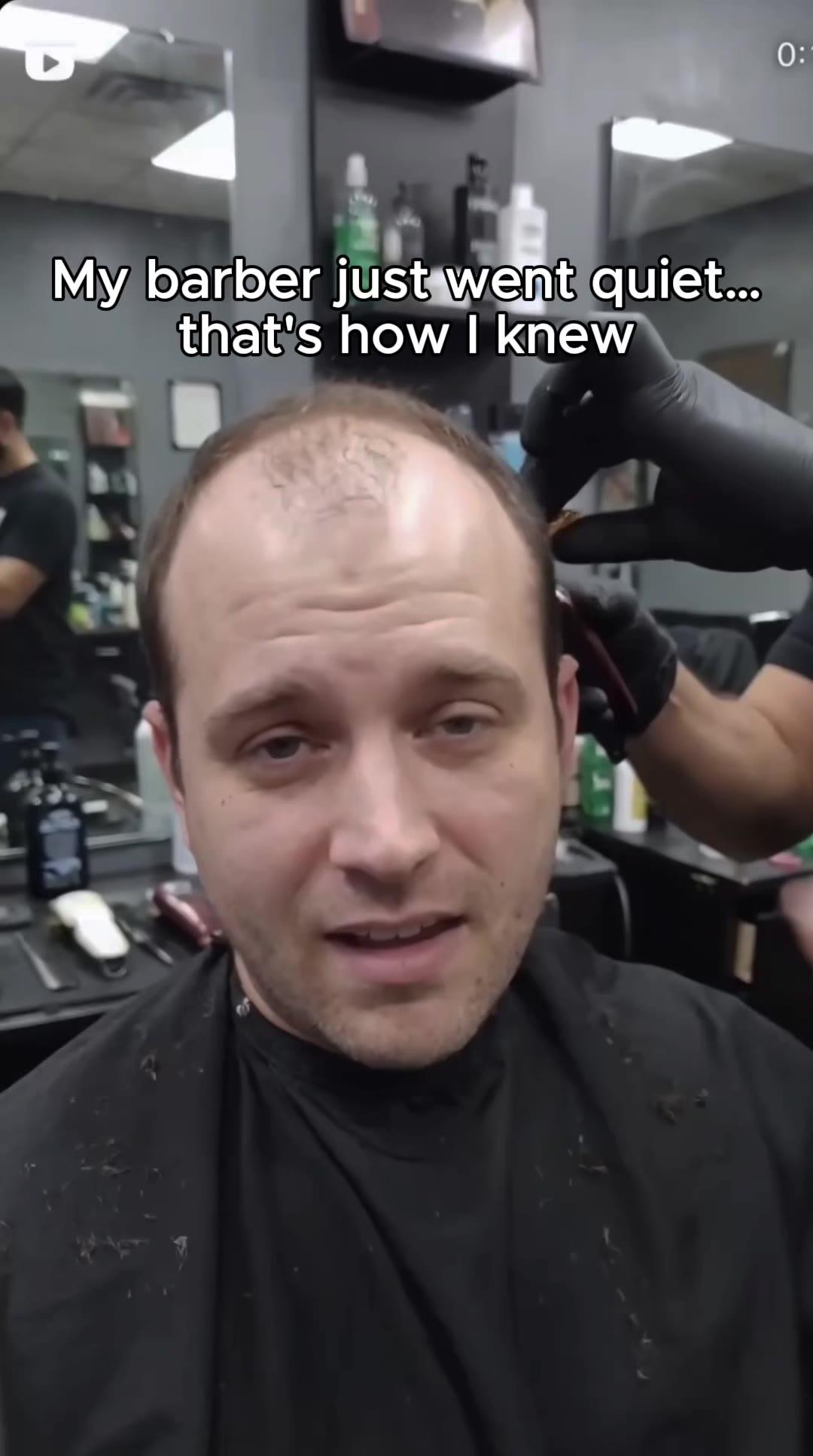

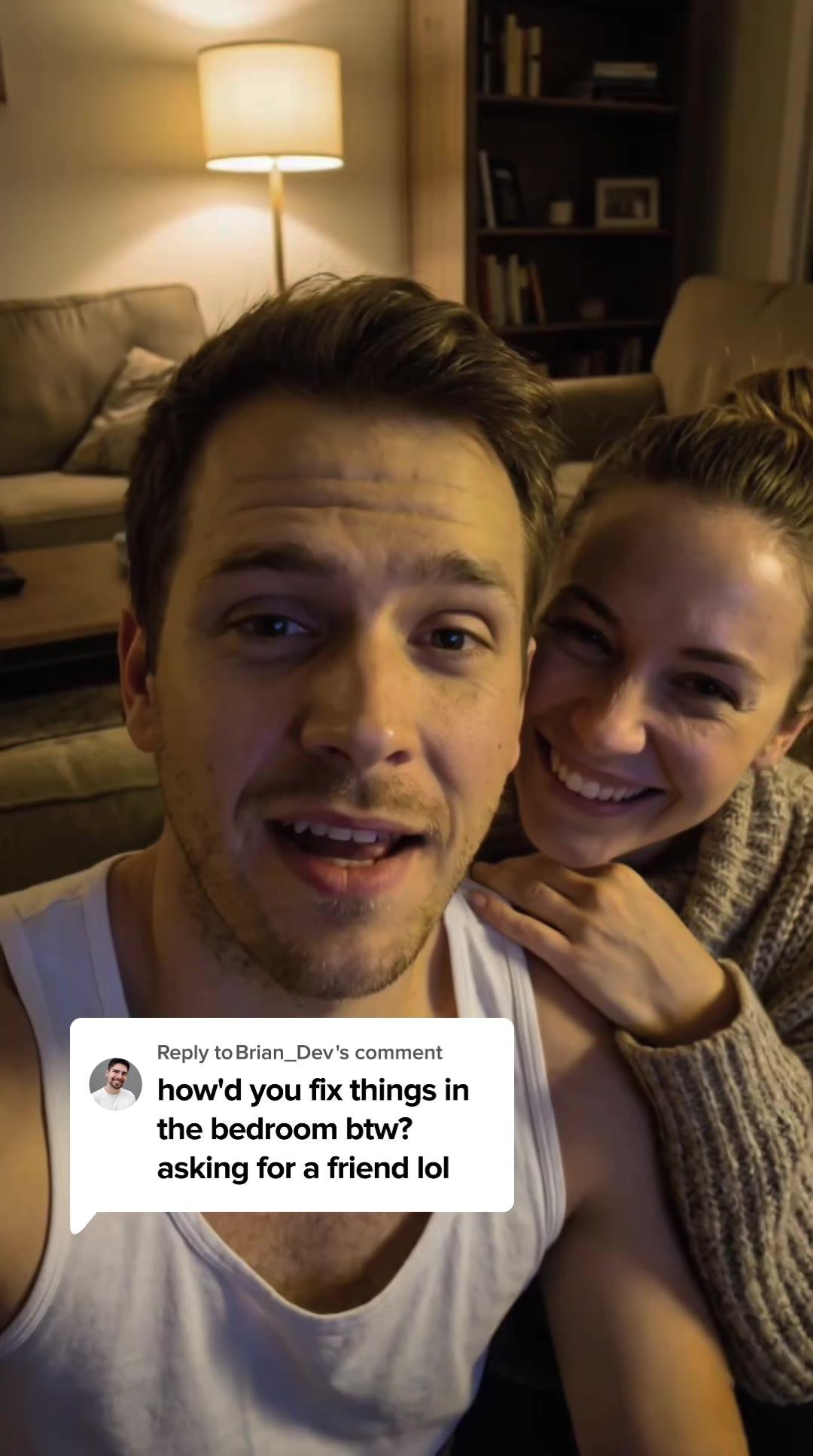

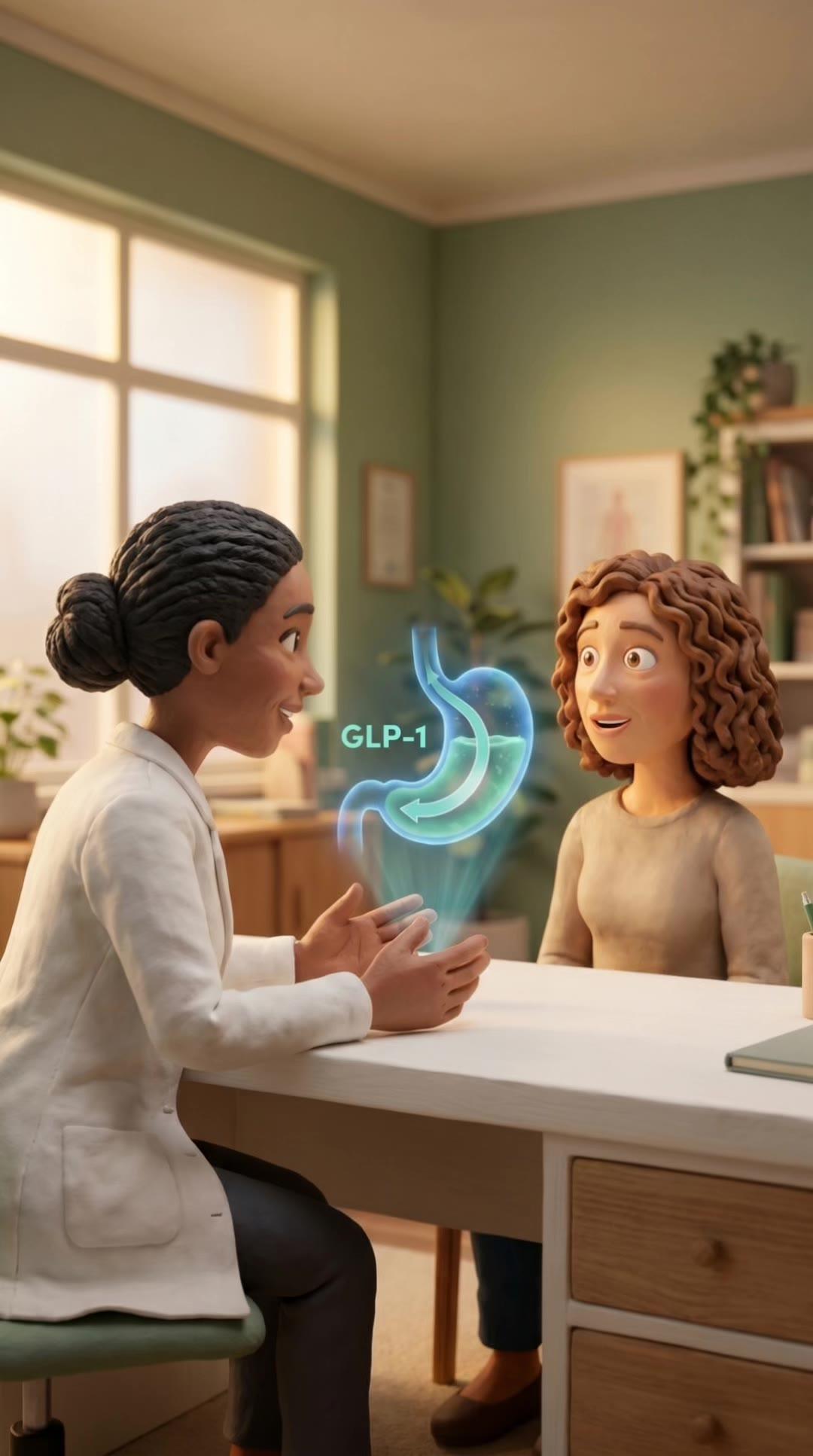
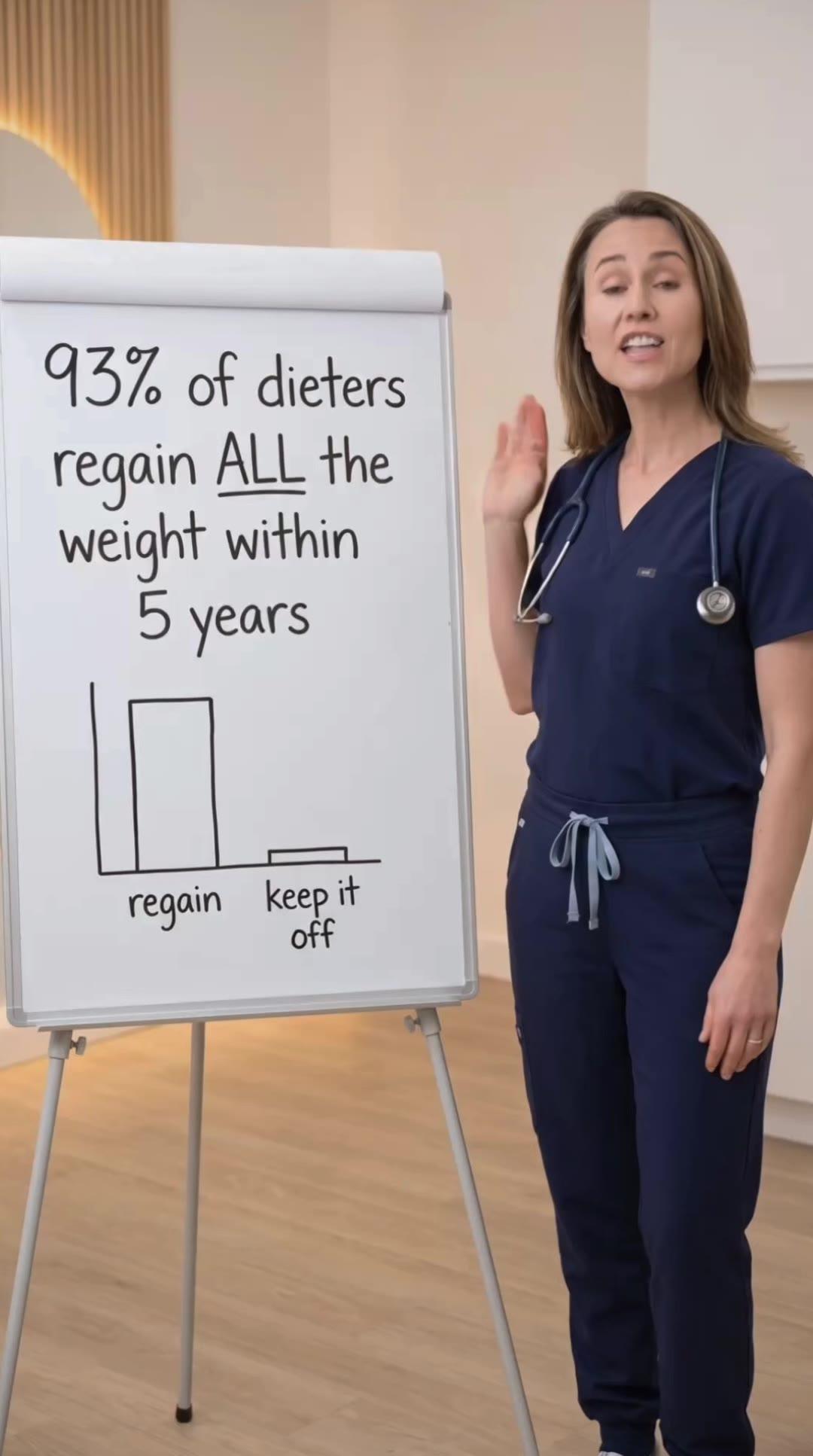
Men 40-65 are the highest-value telehealth audience in 2026. They convert at higher rates than younger demographics, retain longer in subscription categories, and refer more reliably to friends. They are also the audience that hates most modern advertising. The creative choices that work with younger DTC buyers tend to repel this group, and the choices that work for them tend to look "boring" to marketers who default to flashy production.
Here is what actually works for telehealth ads targeting older men: tone, format, channels, and the patterns that separate high-performing creative from forgettable creative.
The Tone Older Men Respond To
Calm and competent. The audience is decisive but skeptical, research-driven, and ready to spend money on quality but not on hype. Creative that feels rushed, urgent, or aggressive triggers immediate skip. Creative that sounds like a knowledgeable friend explaining something earns watch time and conversion.
Direct over clever. Older male audiences do not reward clever wordplay or surprising creative hooks the way younger audiences do. They reward clarity. The ad that says exactly what it is in the first three seconds outperforms the ad that makes the viewer work for the payoff.
Respectful, not flattering. Patronizing tone destroys conversion immediately. Speak to the viewer as a capable adult making a decision, not as a target to be persuaded.
Formats That Work
Provider-led explainer. A licensed clinician, calm setting, no music, direct camera address. Forty-five to seventy-five seconds. The single most reliably converting format for telehealth advertising to men 40-65.
Patient story, no music, conversational tone. A real-looking man in the target demographic talking about a specific moment that pushed him to act. Sixty seconds. Performs especially well in TRT and weight loss.
Process transparency. What the consultation looks like, what the qualification gate involves, what happens after the prescription. Reduces uncertainty, which is the dominant blocker for this audience.
Avoid: high-tempo edits, energetic music, dramatic before-after imagery, and creator content that reads as too young. All four signal "ad for someone else" to this audience.
Hooks That Earn the Watch
"If you are a man over 45 and your energy dropped sometime in the last few years..." Specificity to the audience earns the watch. Generic opener loses them inside two seconds.
"Most TRT clinics skip these three blood tests. Here is why that matters." Authority hook that promises useful information. The audience that converts on telehealth is the audience that values learning something.
"I noticed it during a workout I had done a thousand times." Specific moment hook. Invites the viewer into a story they may recognize.
For broader hook patterns, see UGC hook formulas for telehealth brands.
Concepts we ship across every awareness stage.
See the work →Channels That Match the Audience
Meta paid social, with Facebook outweighing Instagram for this demographic. The audience is on Facebook more, scrolls more deliberately, and watches more long-form content than on other platforms.
YouTube performs strongly. The research-driven nature of the audience means long-form provider content earns attention and converts. YouTube ads, particularly in-stream pre-roll on health and lifestyle content, are highly cost-effective for this demographic.
Podcast advertising is the highest-trust paid channel for older male audiences. Men's health, fitness, longevity, and business podcasts deliver remarkable conversion quality when matched to a brand whose offer fits the audience.
TikTok is mostly ineffective for this audience. Skip unless you have evidence of fit.
Trust Signals That Lift Conversion
Named providers with credentials and photos. Generic "board-certified physicians" fails. "Dr. Michael Chen, MD, internal medicine, licensed in 38 states" works.
Real pharmacy partners, clear licensing, and visible state availability. This audience wants to know they are buying from a real medical operation, not a sketchy online shop.
Transparent pricing on the landing page. Older male audiences are deliberate decision-makers. Hidden pricing creates friction. Showing it builds trust.
The Short Version
Telehealth ads for older men in 2026 work when they prioritize calm authority over excitement, specificity over breadth, and transparency over urgency. The audience is the most valuable in telehealth and the most allergic to standard ad tropes. Brands that respect the tone, format, and channel preferences outperform brands that default to the modern DTC playbook.
Related Articles
How to Advertise Hormone Replacement Therapy Online
HRT advertising playbook including TRT.
ED Clinic Marketing: What Works in 2026
Marketing playbook for ED telehealth.
Hair Loss Clinic Marketing: What Works in 2026
Marketing playbook for hair loss telehealth.
Telehealth Ad Creative That Actually Converts
What makes telehealth ad creative work. Angles, hooks, formats, and production tactics for GLP-1, TRT, ED, and hair loss brands scaling $100K-$500K monthly.
Ready to build a testing system that scales?
A 30-minute call. We audit your creative approach and show you exactly what a complete angle-format-hook system looks like for your vertical.