How the 5 Ads With One Tweak Agency Scam Works
One of the most common patterns in telehealth creative programs is the 5-ads-with-one-tweak model. The agency produces five variations of the same underlying concept, labels it "creative testing," and invoices for five assets. The brand gets activity without insight.
Concepts shown are internal creative studies, not client campaigns.



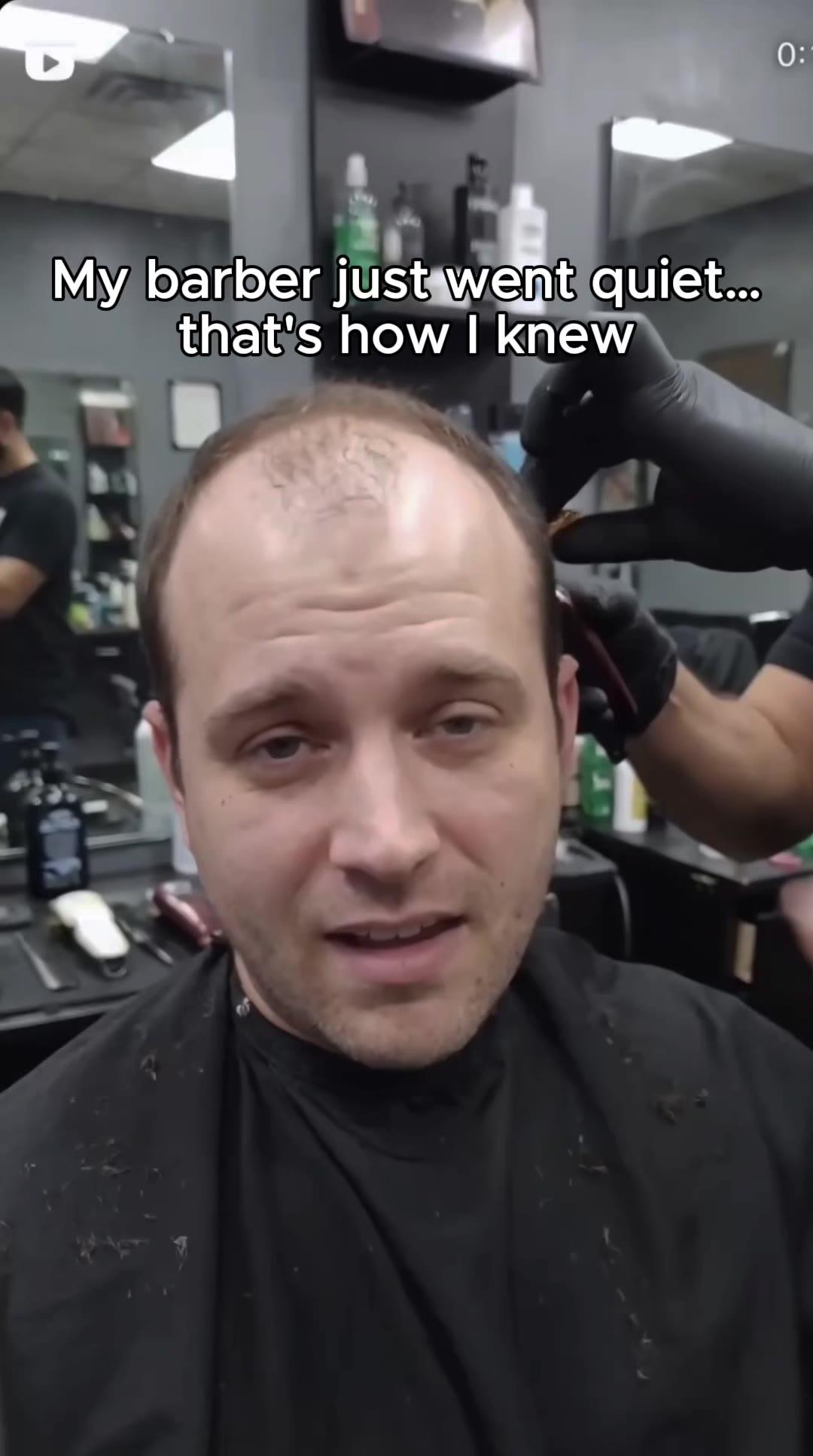

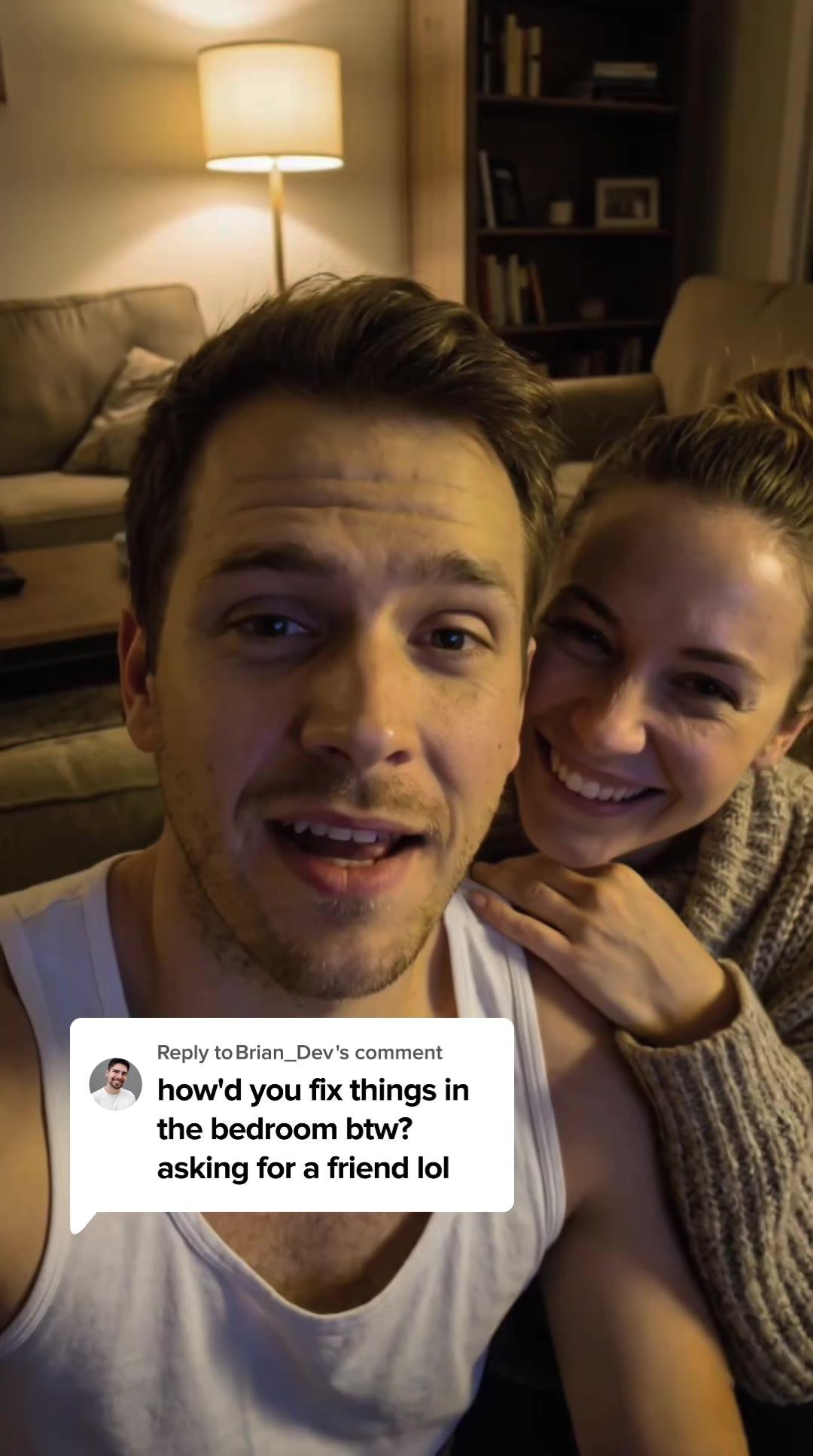


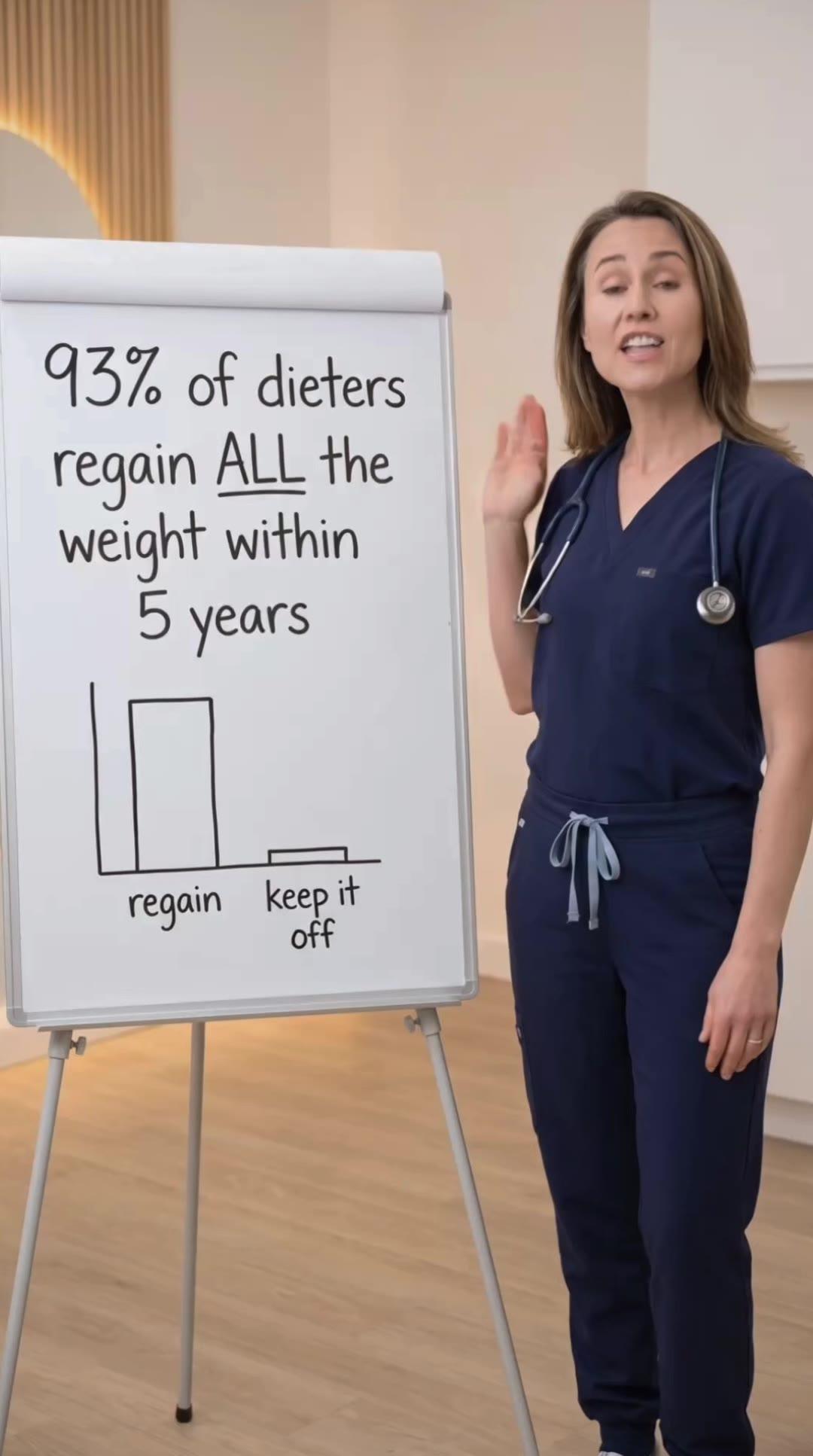
To be fair: calling it a scam is the harshest possible framing. Most agencies are not deliberately misleading their clients. They are operating within a model that rewards production throughput and does not require them to take on the harder, riskier work of angle discovery. The result, though, is the same. The brand spends money on creative that is testing for something trivial, missing the signal that would actually matter, and eventually wonders why their creative program is not compounding.
Understanding how the 5-ads-with-one-tweak model works is the first step to demanding something better.
What It Looks Like
The pattern typically starts with something that worked. One ad generated a strong cost per acquisition and the media buyer asks for more creative in that direction. The agency takes the winning ad — or the brief that produced it — and creates five variations. Version A has a different opening hook. Version B has the same hook but a different thumbnail. Version C has a slightly reworded body. Version D uses a different creator. Version E has a different call to action text.
All five variations address the same underlying demand premise. They speak to the same type of person, in the same emotional state, with the same core argument. The only things changing are surface-level production variables — the specific wording of the first sentence, the face in the thumbnail, whether the call to action says "learn more" or "see if you qualify."
The agency presents this as A/B testing or creative iteration. It looks like testing. There are five different ads. They have different identifiers. The report shows which one performed best. But none of them tested a new demand premise. None of them reached a different type of person. The learning from that sprint is: "hook wording B performs slightly better than hook wording A." That is not nothing, but it is a tiny increment compared to what angle-level learning produces.
Why It Persists
The model persists because it is operationally efficient for the agency and difficult for the client to distinguish from real creative testing. Producing five variations of the same concept is faster than developing five new angles. The brief is already written. The creative direction is established. The creator knows the tone. The output rate stays high, which keeps utilization high and margins healthy.
From the client's side, the report shows testing activity. Five ads were produced. Two performed well. Three did not. This month we scale the winners. The narrative holds together. The question nobody is asking is: what did we learn about our audience that we did not already know? Because the answer is almost nothing.
There is also a safety dynamic. Angle development requires the agency to stake a position — to say "we believe there is a meaningful audience segment with this specific demand, and we are betting creative production budget on that belief." That is a riskier position than "here are five hook variations of a concept that already proved out." If the new angle fails, the agency looks like it wasted money. If the hook variation fails, the agency can point to the winner and call the sprint a success.
The Real Cost
The cost of the one-tweak model is not the production spend on the five assets. That is typically a small line item relative to media spend. The real cost is opportunity cost and time. Every sprint spent testing hook variations is a sprint not spent discovering a new angle. In a category like telehealth where patient acquisition costs are high and the demand landscape is genuinely varied — patients in different life stages, with different prior experiences of healthcare, with different levels of readiness — the untested angles represent a significant pool of potential performance that is simply not being tapped.
Beyond opportunity cost, the one-tweak model creates a false sense of progress. Teams that are producing lots of creative feel like they are doing the work. Reports show ongoing testing activity. The program looks healthy. The plateau in performance is attributed to market factors, platform changes, seasonality — anything except the creative strategy, which has not actually changed in months.
Concepts we ship across every awareness stage.
See the work →How to Recognize It in Your Account
Pull your last three months of creative briefs. For each brief, write down in one sentence what demand premise it is addressing — the specific emotional or situational state of the target audience. Then look at whether those sentences are meaningfully different from each other, or whether they are essentially the same sentence with different wording.
If you cannot extract a demand premise from a brief because the brief is written entirely in terms of execution — "talking head video, 60-90 seconds, UGC feel, hook about [topic]" — that is itself a signal. Briefs that do not contain a defined angle are almost always producing one-tweak variations, even when that is not the intention.
Look at the reporting. If the primary comparison across ads is hook performance, thumbnail performance, or creator performance, the testing is operating at the execution layer. Angle-level learning shows up differently: one ad outperforms all others not because the hook wording was better, but because it addressed a demand premise that a large audience segment had not been spoken to before.
What to Demand Instead
The minimum standard for a creative sprint that generates real learning is that at least half of the new creative addresses demand premises that have not been tested before. Not new hooks on old premises. New premises. That means every briefing cycle should begin with angle development — identifying what new demands or audience segments are worth testing this month.
Require that every brief contains a written demand premise. One or two sentences that describe who this ad is for and what specific situation they are in. Review those premises before production begins. If two briefs describe the same situation in different words, they are producing one-tweak variations by design. Consolidate them and invest the freed budget in a genuinely new angle instead.
Hold the agency accountable to angle-level learning in the report. After each sprint, the report should answer: what did we learn about the audience this month that we did not know before? If the answer is "hook B outperformed hook A by 15%," push for what that tells you about the audience. If the agency cannot answer that question, the testing is operating at the wrong level.
The Harder Question
The harder question behind all of this is whether the agency is capable of doing angle-level work or only execution-level work. Some agencies genuinely have the strategic capability to develop new angles from scratch — to do the audience research, develop the hypotheses, and build briefs around genuinely new demand premises. Others are production shops that are excellent at executing given clear direction but not set up to generate that direction themselves.
Neither type of agency is wrong. But if you are working with an execution-focused agency and expecting strategic angle development, the mismatch will look exactly like the one-tweak pattern. The solution in that case is not to fire the agency but to source the angle development from elsewhere — from your media buyer, from a dedicated strategist, from a research function — and use the agency for what it actually does well.
What the 5-ads-with-one-tweak model ultimately signals is a missing strategy layer. The fix is not more production. It is building the strategic function that production is supposed to serve.
Related Articles
Why Creative Variety Beats Volume for Telehealth Ads
The case for genuine angle variety over raw creative volume.
Angles vs Assets: What You're Really Paying a Creative Agency For
Most agencies sell asset production. What you actually need is angle discovery.
Why You Need a Creative System Not Just a Creative Agency
The structural difference between what an agency delivers and what a system builds.
Why 100 Similar Ads Fail and 10 Varied Ones Win
How brands fall into the volume trap and what varied creative actually looks like.
Ready to build a testing system that scales?
A 30-minute call. We audit your creative approach and show you exactly what a complete angle-format-hook system looks like for your vertical.