How to Expand and Scale a Winning Angle
When a demand angle proves out, the question is how to expand it responsibly — deepening the execution for the audience it reached while using the insight to find adjacent angles it has not yet reached. Angle expansion done well compounds the original discovery. Done poorly, it just produces more ads that reach the same saturation ceiling faster.
Concepts shown are internal creative studies, not client campaigns.








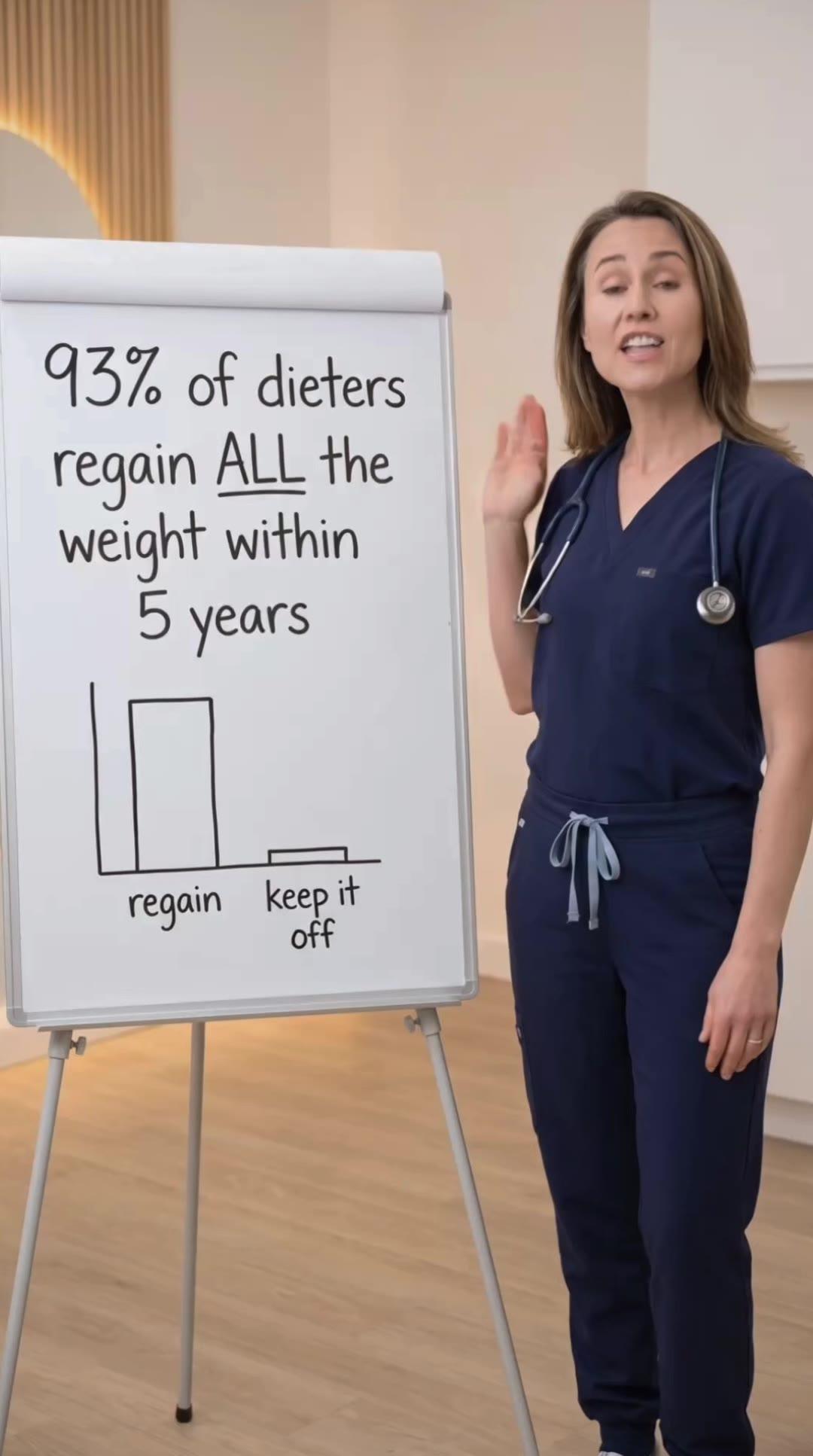
A winning angle is confirmation that a specific demand state exists and that the market will respond to it in your paid acquisition context. That confirmation is valuable on two levels. It tells you something about the audience you can exploit directly — by scaling the creative for that angle. And it tells you something about the audience you can use to find the next angle — by examining who responded and inferring what else they might care about.
Angle expansion is the work of doing both of those things well. Scaling the angle directly without exploring the broader implication is only using half the value of the discovery. Using the implication to explore adjacent angles without scaling the proven one is leaving revenue on the table. Both happen together in a well-run expansion process.
Step One: Define What Made It Win
Before expanding a winning angle, define precisely what made it win. This is not the same as listing the elements of the winning ad — the creator, the hook, the format. It is articulating the audience insight the winning angle confirmed. What type of person responded? What emotional state were they in? What about the angle's premise matched their situation closely enough to drive action?
Write this down as a one-paragraph audience description. It should be specific enough that someone unfamiliar with the winning ad could read it and understand exactly who the campaign was reaching. "Women between 38 and 52 who have been managing weight through diet and exercise for many years, have seen decreasing returns from those efforts, and are in a state of readiness to explore a medical option — not because they have given up, but because they have updated their belief about what kind of intervention is appropriate." That is the audience definition behind the winning angle.
This description is the foundation for everything that follows. Scaling the angle means producing more creative for this specific person. Expanding the angle means finding the adjacent segments that share some characteristics with this person but are in meaningfully different situations.
Direction One — Depth Expansion
Depth expansion means producing more variations that serve the confirmed audience segment more thoroughly. This includes format optimization — testing which delivery mechanism works best for this angle with this audience. It includes archetype variation — testing whether the physician archetype, the peer archetype, or the clinical educator archetype delivers this angle most efficiently. It includes creative length testing — is this an angle that benefits from longer storytelling or does it land better in a shorter, punchier format?
Depth expansion also means exploring the aspects of the winning angle's demand state that the original ad did not fully address. If the winning angle was about readiness to try a medical approach after years of self-directed efforts, what other aspects of that emotional state did the original ad leave on the table? The relief of having a new option? The fear of what happens if this does not work either? The anticipation of what changes when it does? Each of these is a depth expansion — a new piece of creative built for the same audience but addressing a different facet of the same demand state.
Depth expansions are lower risk than new angle tests because the demand state has been confirmed. The audience is real and responsive. The uncertainty is execution — which format, which archetype, which facet lands best. Each depth expansion test adds efficiency to the confirmed angle rather than confirming a new one.
Concepts we ship across every awareness stage.
See the work →Direction Two — Breadth Expansion
Breadth expansion means identifying adjacent audience segments that share some characteristics with the winning angle's audience but are in distinct enough situations to require different creative. The winning angle confirmed that women in a particular emotional state around long-term weight management are responsive. Who else is adjacent to that?
One adjacent segment might be women in a similar age range and similar situation, but who are not in the readiness-to-try-something-medical state — they are in the earlier stage of researching what options exist. Same demographic, different demand state. The angle for this segment is not "you are ready, here is the path" but "here is what the medical approach actually is and why it might be right for you." That is a breadth expansion.
Another adjacent segment might be women who are at the readiness stage but whose specific situation involves a time constraint — an event coming up, a milestone, a personal deadline. The demand state is similar but the urgency driver is different. That is another breadth expansion.
A third might be men in a similar age range whose weight management situation is structurally similar but whose emotional relationship to the problem is different — less self-directed-effort exhaustion, more "this is affecting my performance at work and in the gym in ways I want to address." That is a significant breadth expansion — different demographic, different emotional register, overlapping product fit.
Each breadth expansion is a genuinely new angle test. Some will prove out. Some will not. But each one that does extends the total addressable audience beyond what the original winning angle reached.
How to Manage the Expansion Budget
A winning angle earns more budget than a testing-phase angle — scale it proportionally to performance. But the expanded budget should be split between depth expansion (optimizing the confirmed angle) and breadth expansion (testing adjacent angles). The split depends on how much headroom remains in the confirmed angle before saturation and how strong the breadth expansion hypotheses are.
Early in an angle's proven life, the depth-breadth split might favor depth — there is still significant efficiency gain available through format and archetype optimization. Later, as the core audience begins to saturate and depth optimization returns diminish, the split should shift toward breadth — finding the next audience segments before the original angle's performance declines.
The goal is to never be in the position of scrambling to find new angles after the current winners have already declined. Breadth expansion should start before the core angle shows signs of saturation, so the new angle pipeline is already in progress when the original angle reaches its ceiling.
When to Stop Expanding and Start Refreshing
Depth expansion has a natural endpoint. It arrives when additional format variants, archetype tests, and creative facets within the confirmed angle are generating marginal or no improvement. At that point, the angle is fully optimized for delivery. The platform has found the audience for it efficiently. The production investment in additional depth variants produces less value than shifting that budget to breadth expansion.
Even fully optimized angles eventually fatigue at the creative level — the same people have seen the same style of ad enough times that its performance declines regardless of how well the angle fits their demand state. Creative refreshes — new creators, updated hooks, format updates — can extend the life of the angle's audience reach without introducing a new demand premise. Refreshes buy time on a saturating angle while breadth expansions develop the next round of proven angles.
The cycle of depth expansion, breadth expansion, refresh, and new angle discovery is the rhythm of a mature creative program. A winning angle is the starting point for that cycle. How well the team manages the expansion — using the discovery systematically rather than just scaling it — determines how much value the winning angle ultimately generates before it is retired.
Related Articles
Why You Should Find Winning Angles Not Winning Assets
How to extract the angle insight from a winning ad and use it correctly.
What Independent Demand Angles Are and Why They Matter
A precise definition of independent demand angles and how to find them.
Building a Creative Testing Architecture for Telehealth
The structural layers of a creative testing program that compounds over time.
Ready to build a testing system that scales?
A 30-minute call. We audit your creative approach and show you exactly what a complete angle-format-hook system looks like for your vertical.