How to Market Microdose GLP-1 Programs
Microdose GLP-1 marketing fills a genuine gap in the market — but "microdose" sounds less powerful, not more precise. Reframing that perception is the whole job.
Concepts shown are internal creative studies, not client campaigns.



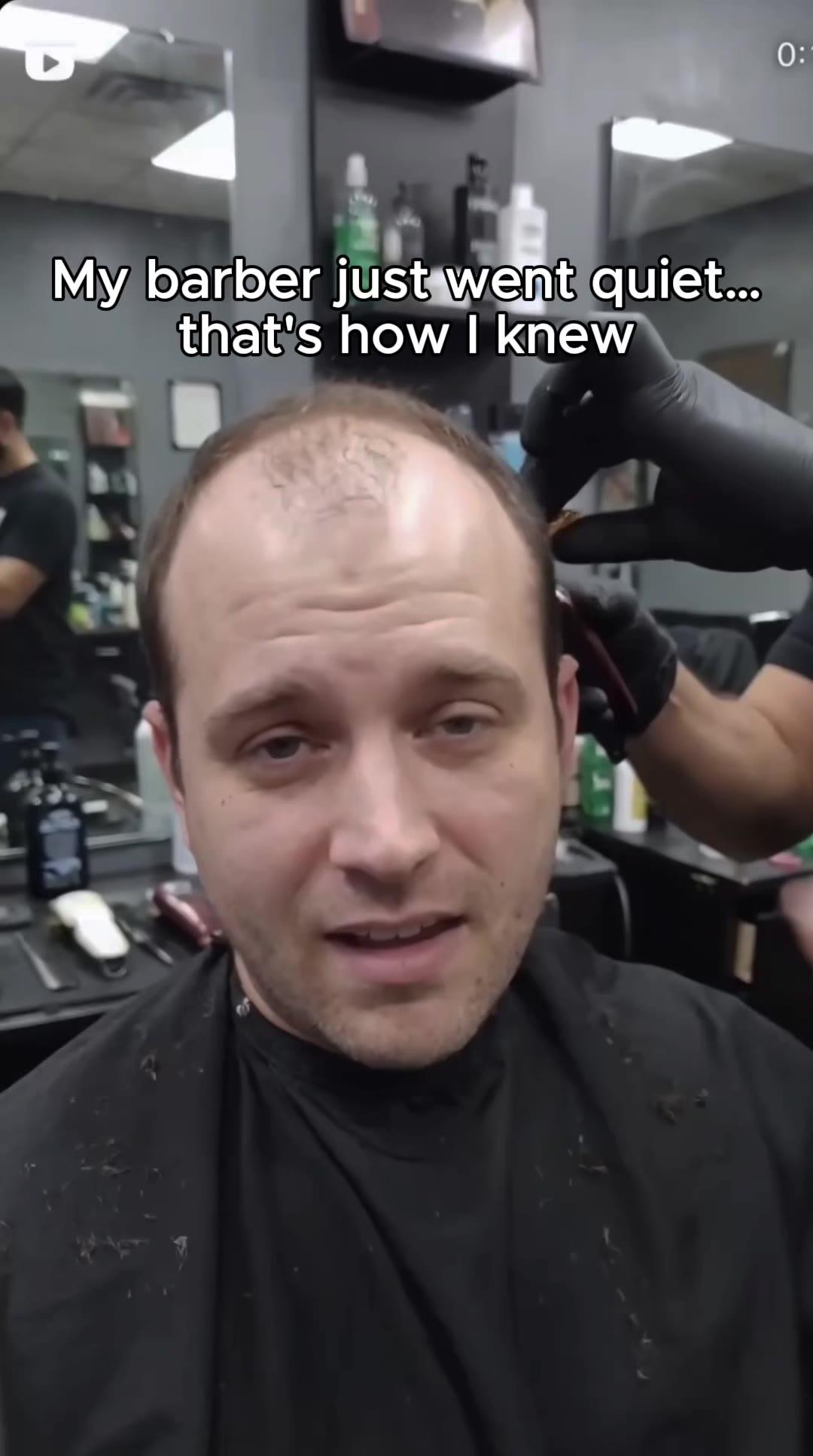



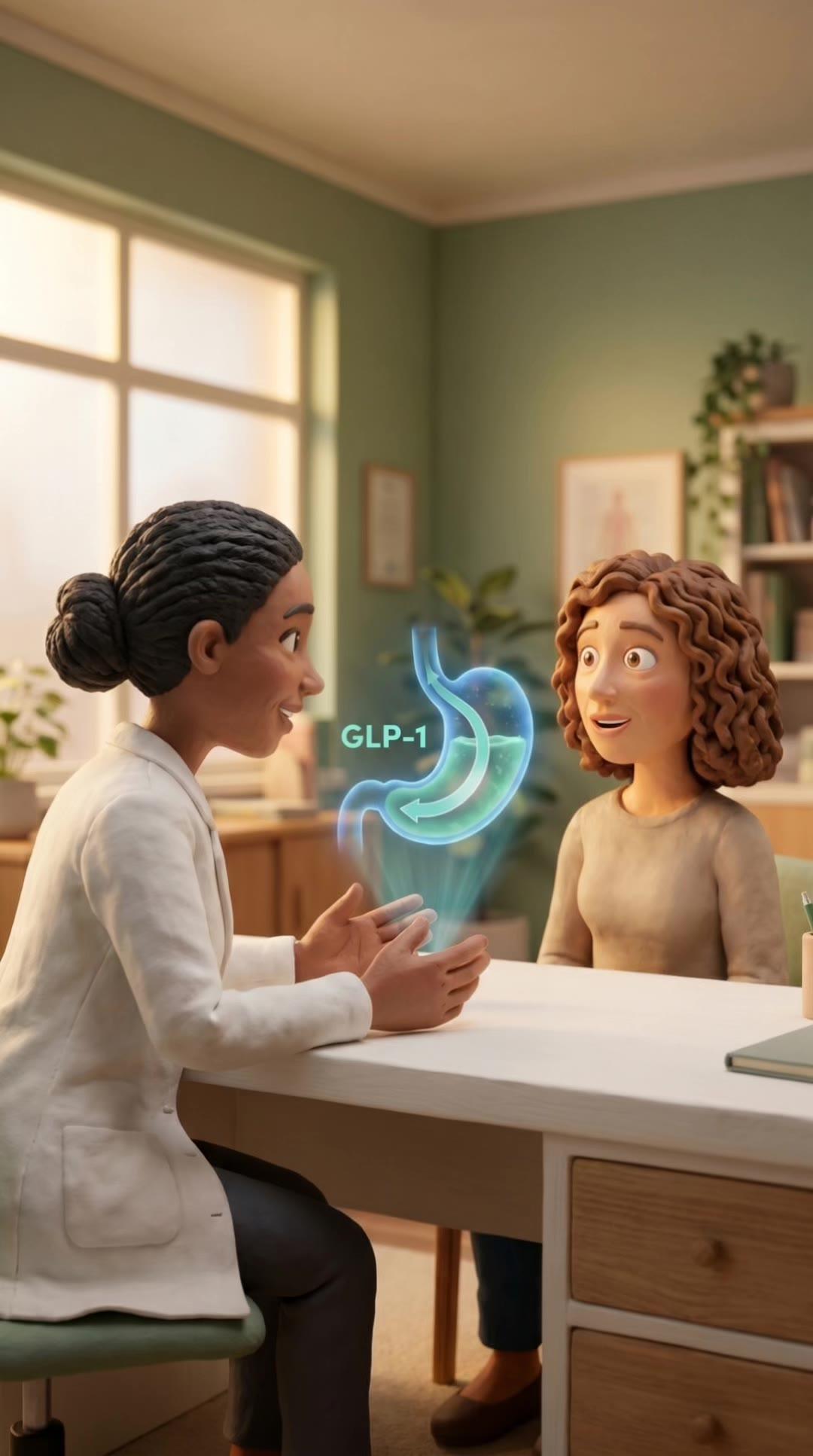
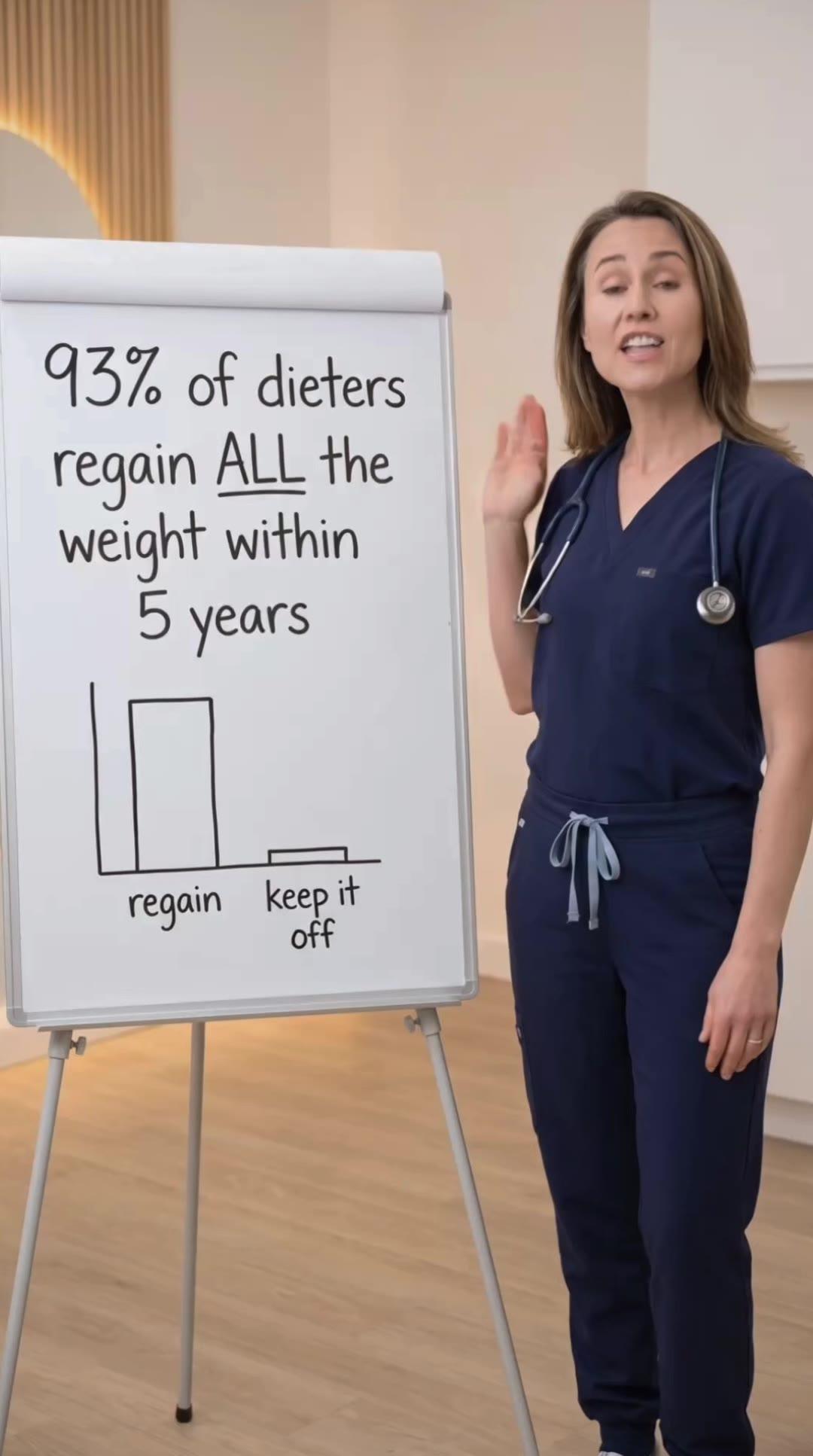
Microdose GLP-1 marketing presents a specific positioning challenge: the word "microdose" implies reduced effectiveness to most patients, when the actual clinical rationale is individualized dosing and improved tolerability. Selling this product well means reframing the entire concept before you even get to the pitch — and that reframing starts at the top of your funnel, not on the conversion page.
The product exists because the market needs it. A meaningful portion of patients who want GLP-1 therapy either cannot tolerate standard escalation protocols, are not seeking dramatic weight loss and want something gentler, or have already achieved their initial weight loss goal and want to maintain without staying on full doses indefinitely. These are real patients with real intent, and they are currently underserved by a market that has optimized almost entirely around the "maximum effective dose" end of the spectrum.
The Three Audiences for Microdose GLP-1
The step-down patient has already been on a full-dose GLP-1 program, achieved significant weight loss, and now wants to maintain that outcome without the cost and side effect profile of a full therapeutic dose. For this patient, the key message is continuity and protection of the progress they have already made. They are not starting over — they are entering a smarter maintenance phase. Marketing to this audience should emphasize preservation, long-term metabolic health, and the clinical rationale for ongoing low-dose support.
The side-effect-sensitive new patient has heard about GLP-1 programs, wants to try them, but is anxious about nausea, fatigue, and the gastrointestinal symptoms they have heard about from friends or read about online. For this patient, microdose is not the consolation prize — it is the responsible starting point. The message is "start where your body can handle it, with the supervision to adjust as you go." This reframes microdose as precision medicine rather than a watered-down version.
The wellness-oriented patient is not primarily targeting significant weight loss. They may want to lose five to fifteen pounds, improve metabolic markers, or reduce appetite to support other lifestyle changes they are already committed to. For this patient, a full-dose program feels like overkill — they want something proportionate to their goal. Microdose positioned as a precision wellness intervention rather than a weight-loss drug reaches this audience without overselling a product they do not need to be oversold.
Reframing the Language Around Microdosing
The terminology you use in marketing shapes how patients perceive the product before they ever speak to a physician. "Microdose" is accurate but carries the implicit connotation of "less than full" — which sounds like a compromise. Consider alternative framings that emphasize the clinical rationale: "precision-dosed protocol," "personalized GLP-1 therapy," "supervised dose optimization," or "tolerance-matched dosing." Each of these conveys the same reality — a lower-than-maximum dose — but positions it as a thoughtful clinical choice rather than a reduced version.
Copy angles that work in paid and organic content: "start low, go slow — the way GLP-1 therapy was designed to work," "precision-dosed to your body's response, not a one-size protocol," "physician-adjusted dosing based on how you feel, not a fixed schedule." Each of these speaks directly to what makes microdose a superior experience for the right patient, without overstating what it will achieve.
What you must avoid in microdose marketing is suggesting it produces the same weight loss outcomes as standard full-dose protocols. If a patient is expecting the same result as a friend on Ozempic and you did not set accurate expectations, the retention outcome will be poor and the review you receive will reflect that. Honest positioning — "for patients seeking gradual, sustainable progress without aggressive dosing" — attracts the patients who will actually be satisfied, which is the patient pool you want.
Platform and Creative Approach
Meta and TikTok are the primary paid channels for microdose GLP-1, and they follow the same compliance requirements as any other GLP-1 telehealth program. The creative distinction is the angle: where standard GLP-1 ads often lead with dramatic transformation potential, microdose ads should lead with comfort, confidence, and personalization. The visual and emotional register is different — warmer, less intense, more focused on the experience of starting a program that respects your body's pace.
Patient journey content that performs well for microdose programs typically features someone who tried a standard-dose program elsewhere, had a difficult side effect experience, and then found success with a precision-dosed protocol under proper supervision. This narrative is credible, widely relatable among the target audience, and positions microdose as the outcome of a more informed approach rather than a lesser one.
Concepts we ship, problem-aware to product-aware.
See the work →Search Intent You Can Actually Capture
The search volume opportunity for microdose GLP-1 is real and underserved. Terms like "low dose semaglutide," "semaglutide without side effects," "GLP-1 microdose," "semaglutide small dose," and "gentle weight loss medication" have meaningful search traffic from patients who are not finding well-positioned answers. Most of the content ranking for these terms is either clinical research that does not convert or general GLP-1 content that does not address the specific concern.
A landing page and supporting blog content specifically addressing low-dose GLP-1 — what it is, who it is appropriate for, how it compares to standard dosing in terms of side effects and expected outcomes — captures this intent and positions you as the specialist in this niche. This is a differentiation play within the GLP-1 category, not just a variant of the same marketing everyone else is running.
Paid search campaigns targeting these lower-competition keywords will often convert at a lower cost-per-click than head terms like "semaglutide online prescription." The patient searching for "low dose semaglutide for weight maintenance" is not a price shopper — they have a specific need, and you can address it directly.
Retention as the Revenue Story
The business case for building a strong microdose program is partly about differentiation and partly about retention economics. Microdose patients — particularly those in maintenance mode — tend to stay on program longer than patients in active high-dose weight loss phases. A patient maintaining with a low-dose monthly protocol for 18 months represents significantly more lifetime value than a patient who achieves their goal in six months on a standard dose and discontinues.
Your marketing should reflect this long-term relationship framing. Subscription messaging, check-in communications, dose adjustment protocols that patients know are available, and content that celebrates the maintenance phase as an active achievement rather than a passive state all contribute to retention. The patient who feels that their program is working precisely because it is being managed thoughtfully over time is not shopping for alternatives.
Building marketing that emphasizes the supervised relationship — "your dose, reviewed by your physician, adjusted as your body responds" — creates a stickiness that commodity GLP-1 programs cannot match. In a crowded market where every brand is competing for the initial acquisition, the brands that win on lifetime value are the ones that differentiated at the program level and communicated that differentiation clearly from the first ad impression through ongoing patient communications.
Related Articles
GLP-1 Telehealth Subscription Marketing
How to market GLP-1 programs as subscriptions — recurring revenue positioning, retention messaging, and lifecycle marketing tactics.
How to Differentiate Your GLP-1 Telehealth Brand
Stand out in a crowded GLP-1 market with sharper positioning, smarter messaging, and a brand identity patients actually remember.
GLP-1 Telehealth Patient Acquisition Cost
Understanding and optimizing patient acquisition costs for GLP-1 telehealth. Benchmarks, channel breakdowns, and how to improve your CAC.
Your next GLP-1 batch, minus the compliance roulette.
A 30-minute call. We audit your creative approach and show you exactly what a complete angle-format-hook system looks like for your vertical.