How to Market Female Rx Telehealth Brands
Female Rx telehealth marketing spans several distinct verticals — each with its own audience psychology, compliance constraints, and platform dynamics. Treating them as one category is the first mistake most brands make.
Concepts shown are internal creative studies, not client campaigns.








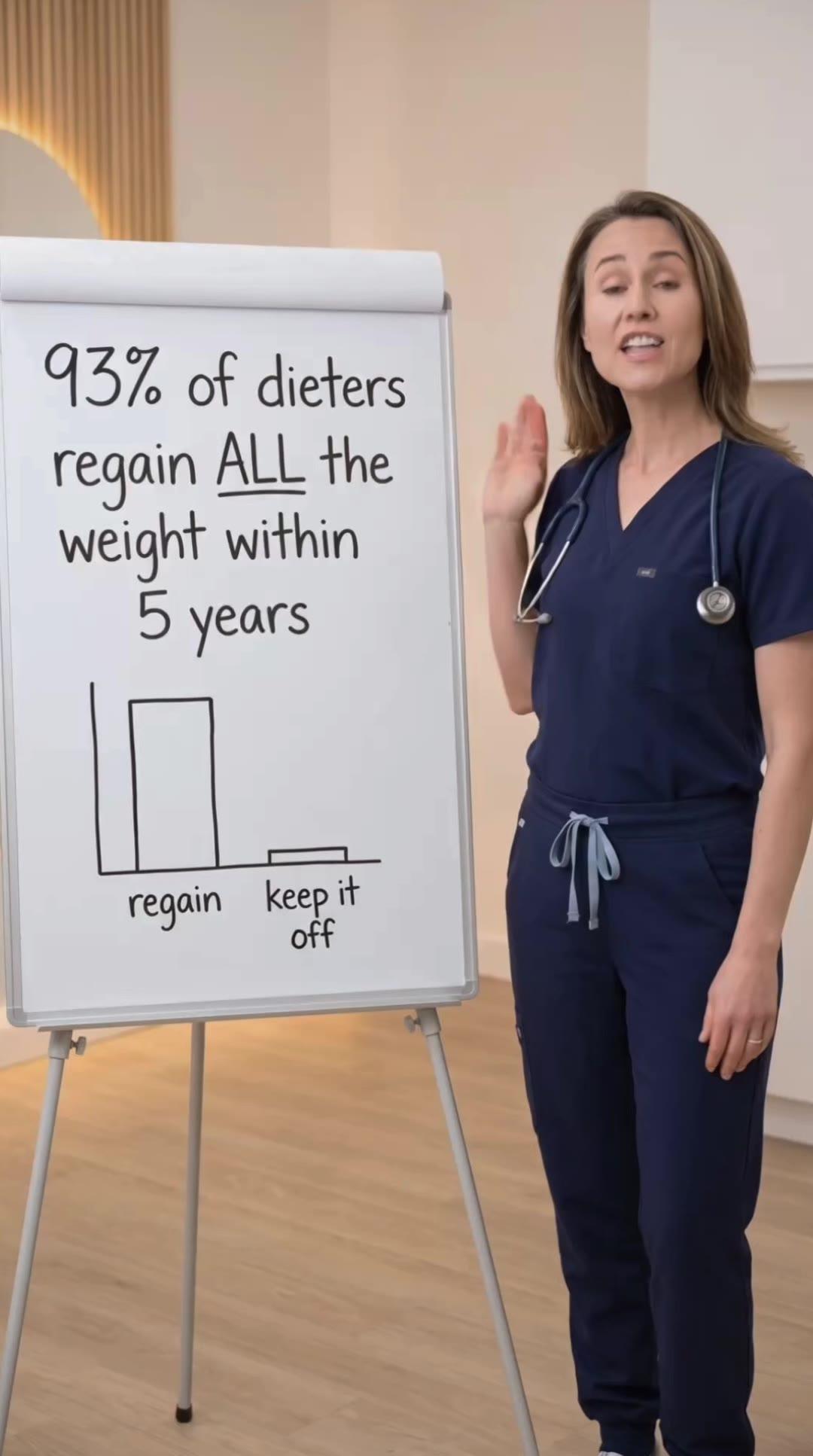
Female Rx telehealth marketing covers a wide spectrum: hormone replacement therapy, perimenopause and menopause care, birth control, thyroid management, PCOS, and sexual health. What these categories share is a patient who is often underserved by traditional healthcare, actively searching for alternatives, and more likely to research thoroughly before making a decision. What they do not share is the same messaging, the same platform behavior, or the same compliance risk profile.
This guide addresses the marketing strategy that works across female Rx telehealth — with particular attention to the segment differences that determine whether your spend converts or disappears.
Understanding the Distinct Audience Segments
Women aged 25 to 35 represent the birth control and PCOS segment. They are already familiar with telehealth, comfortable with online healthcare, and often coming from frustration with in-person providers — long waits, dismissive encounters, or inability to access convenient care. For this group, the key purchase drivers are convenience, discretion, and speed of access to a prescription. Marketing should emphasize ease and the elimination of unnecessary friction.
Women aged 40 to 55 are navigating perimenopause and early menopause. This is the most underserved and highest-intent segment in the entire women's health telehealth space right now. Many of them have been told by their primary care physicians that their symptoms are "just stress" or "normal aging." They have done significant research on their own and arrived at telehealth with a fairly clear picture of what they want — HRT, progesterone, or testosterone — and they need a provider who takes them seriously. Marketing that validates their experience and positions the physician as an informed ally outperforms generic wellness messaging in this group.
Women 55 and older represent the post-menopause segment. They are often looking for ongoing hormone management, bone density support, cardiovascular risk reduction, and quality of life maintenance. This group converts well on content-driven approaches, responds positively to physician authority signals, and tends to have lower price sensitivity than younger cohorts.
Platform Dynamics and What Actually Converts
Meta remains the primary paid acquisition channel for female Rx telehealth, but it applies stricter review to hormone-related ads. The practical implication is that copy and creative centered on physician access, informed care, and symptom management approves more reliably than copy that references specific hormones in ways that sound clinical. Approval rates improve meaningfully when you lead with the service — "connect with a physician who specializes in women's health" — rather than the specific prescription being offered.
Trust signals matter on Meta in this vertical more than in most others. Physician credentials visible in the creative, third-party review badges, and language like "physician-supervised" consistently improve click-through rates. The audience is not just comparing prices — they are evaluating whether they can trust this provider with something that feels personal and has been mishandled by other providers before.
TikTok has enormous organic reach in women's health, particularly perimenopause and HRT content, which has been a persistent trending category on the platform. Paid TikTok for female Rx is inconsistent — brand-direct ads frequently encounter review issues, while Spark Ads amplifying creator content from physicians or patients with first-person experience perform far better. If you are allocating TikTok budget, put it into Spark Ads from credentialed creators rather than polished brand placements.
Pinterest is an underused but highly effective channel for women's health telehealth. The HRT and perimenopause audience actively uses Pinterest for health research, saving articles and building boards around wellness content. Long-form pins linking to educational content — "what to expect from HRT in perimenopause," "birth control options compared" — generate organic traffic with remarkably high intent. A modest Pinterest presence, maintained consistently over six months, often pays off in qualified organic traffic that supplements paid acquisition efficiently.
Messaging That Works and What to Avoid
The single most reliable positioning principle for female Rx telehealth marketing is leading with the problem, not the solution. "Struggling with hot flashes, sleep disruption, and brain fog that your doctor dismisses?" converts far better than "Get hormone therapy online." The patient is not searching for a product — she is searching for someone who understands her experience. Your ad is the moment you demonstrate that understanding, or fail to.
Clinical, cold language kills conversion in this vertical. Women who have felt dismissed or talked down to by the medical system are specifically looking for a warmer, more collaborative model. Copy that is technical, formal, or product-focused reads as more of the same experience they are already fleeing. Write the way a knowledgeable peer would speak, not the way a pharmaceutical insert reads.
Before/after imagery that references physical appearance creates compliance exposure on Meta and is often counterproductive with this audience anyway. The perimenopause patient is not primarily motivated by aesthetics — she wants to feel like herself again. Creative that focuses on functional outcomes (better sleep, sharper thinking, emotional stability, energy) resonates more deeply and avoids the claim categories that trigger ad rejection.
Concepts we ship, problem-aware to product-aware.
See the work →Email Marketing and Retargeting as High-ROI Channels
Female Rx telehealth has a longer consideration window than GLP-1 weight loss — especially in the HRT and perimenopause segment. Patients frequently visit your site, read extensively, and leave without converting, then return weeks later to complete an intake. This behavior pattern makes email nurture and retargeting disproportionately valuable.
A well-constructed email sequence — educational content about hormones and aging, physician-authored articles, patient stories, and gentle reminders about the consultation — can close patients who were already warm but needed more time and reassurance. This is not complicated email marketing. It is a structured follow-up system that respects the pace at which these patients make decisions.
Retargeting on Meta and Google targets site visitors who expressed intent but did not convert. The creative for retargeting in female Rx telehealth should feel like a follow-up, not a hard sell — reminders, social proof from patients with similar experiences, and low-friction next steps like a free consultation or a symptom quiz.
Community-Based Marketing as a Complement to Paid Ads
Women in the perimenopause and menopause segment are particularly active in peer communities — Facebook groups around menopause, HRT support communities, online forums where women share provider experiences and treatment outcomes. These communities have developed sophisticated norms around what feels helpful versus what feels like advertising, and overt promotion tends to be rejected.
Community-based marketing in these spaces works when it is genuinely educational and helpful. Partnering with community moderators, sponsoring informational content, or having a physician available for a moderated Q&A session builds brand credibility in a way that no paid ad can replicate. The patient who finds you through a peer recommendation in a trusted community comes in with dramatically higher intent and conversion rates.
Why Review Platforms Matter More Here Than in GLP-1
In GLP-1 weight loss, most patients are making a relatively transactional first purchase — they have seen the ads, they know what semaglutide is, and the decision often comes down to price and accessibility. In female Rx telehealth, the decision is more personal and the stakes around trust are higher. Patients are selecting a provider they plan to have an ongoing relationship with around something that affects how they feel every day.
This makes third-party review platforms — Trustpilot, Google reviews, Healthgrades — more influential in the female Rx conversion path. A brand with several hundred genuine reviews where patients describe feeling heard and well-cared-for has a structural advantage over a brand with stronger ads but a thin review presence. Building and maintaining this review presence should be treated as a marketing investment, not an afterthought.
The combination of strong paid acquisition, consistent email nurture, community presence, and a credible review profile creates a compounding advantage in female Rx telehealth marketing that is difficult for competitors to replicate quickly. Each of these channels reinforces the others, and the brand that commits to building all of them systematically will outperform brands that rely on any single channel alone.
Related Articles
GLP-1 Telehealth Marketing for Women
How to market GLP-1 weight loss programs specifically to women. Messaging, creative angles, and the platforms where this audience converts.
Social Proof Strategies for GLP-1 Ads
How to use patient stories, reviews, and credentials to build trust in GLP-1 telehealth advertising without running into compliance issues.
How to Differentiate Your GLP-1 Telehealth Brand
Stand out in a crowded GLP-1 market with sharper positioning, smarter messaging, and a brand identity patients actually remember.
Your next GLP-1 batch, minus the compliance roulette.
A 30-minute call. We audit your creative approach and show you exactly what a complete angle-format-hook system looks like for your vertical.