How to Compete With the Big GLP-1 Telehealth Brands
A founder's view on competing with the largest GLP-1 telehealth brands. Positioning angles, niche focus, channel choices, and the moves that work when you cannot outspend.
Concepts shown are internal creative studies, not client campaigns.
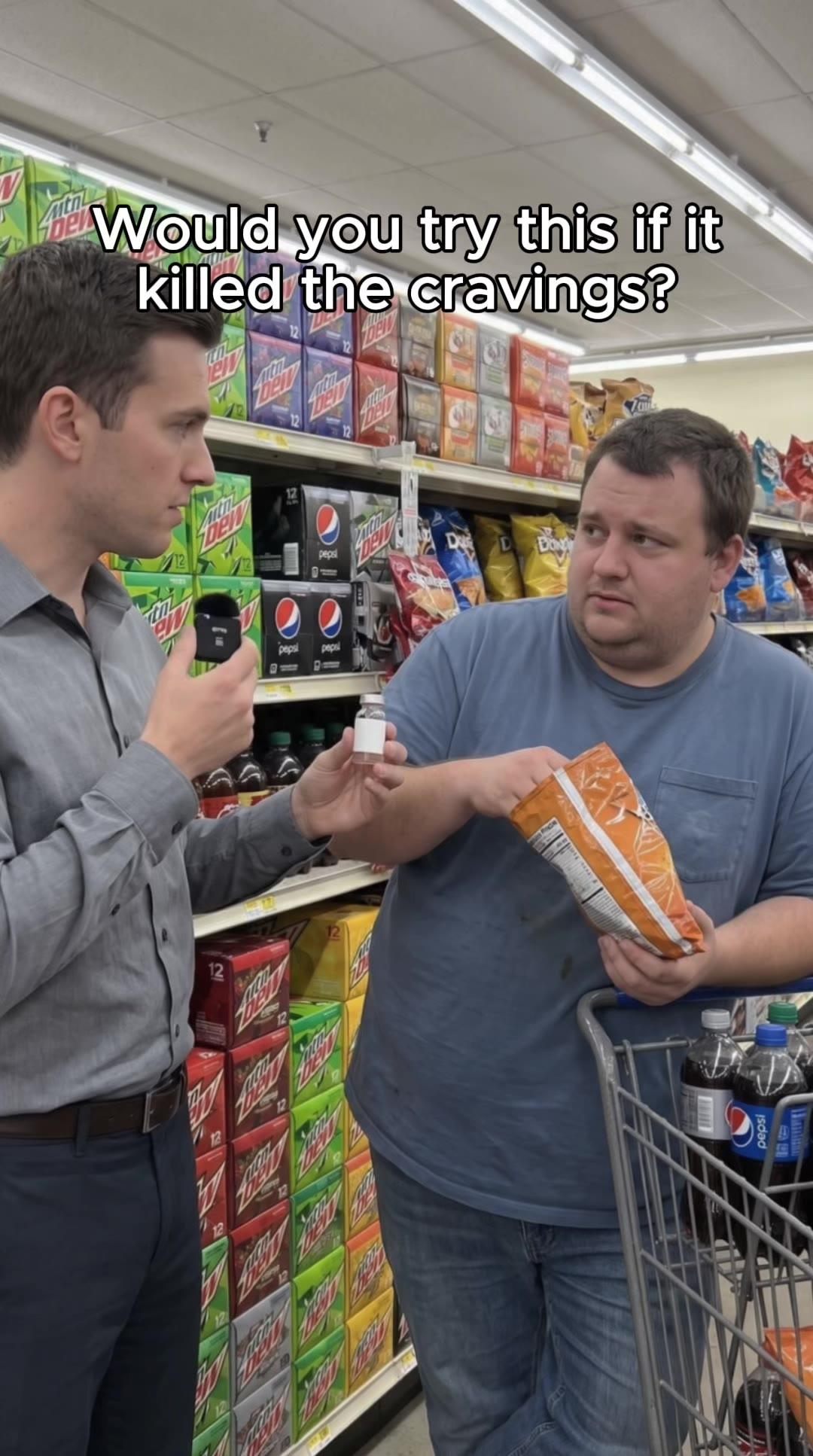


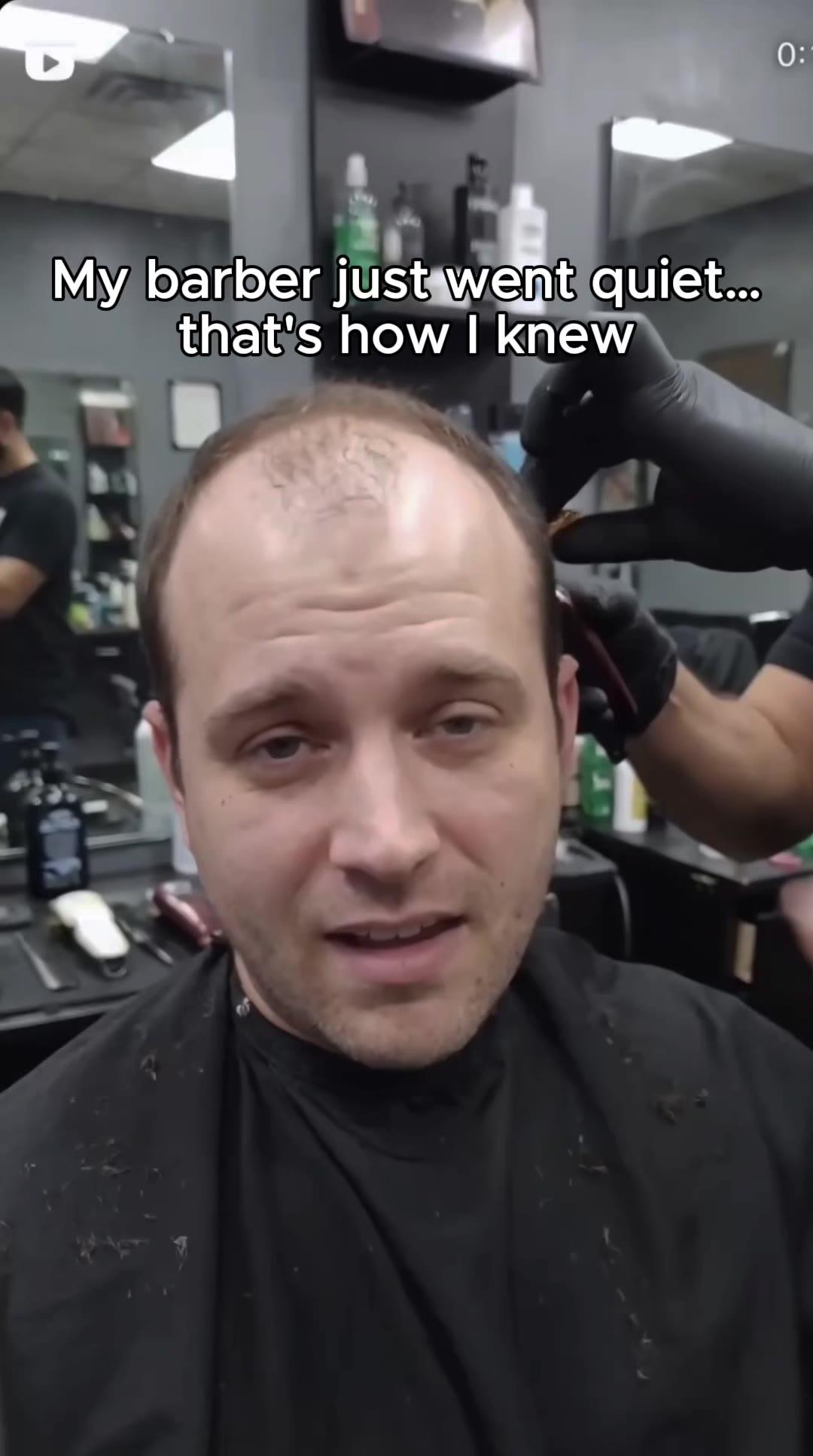



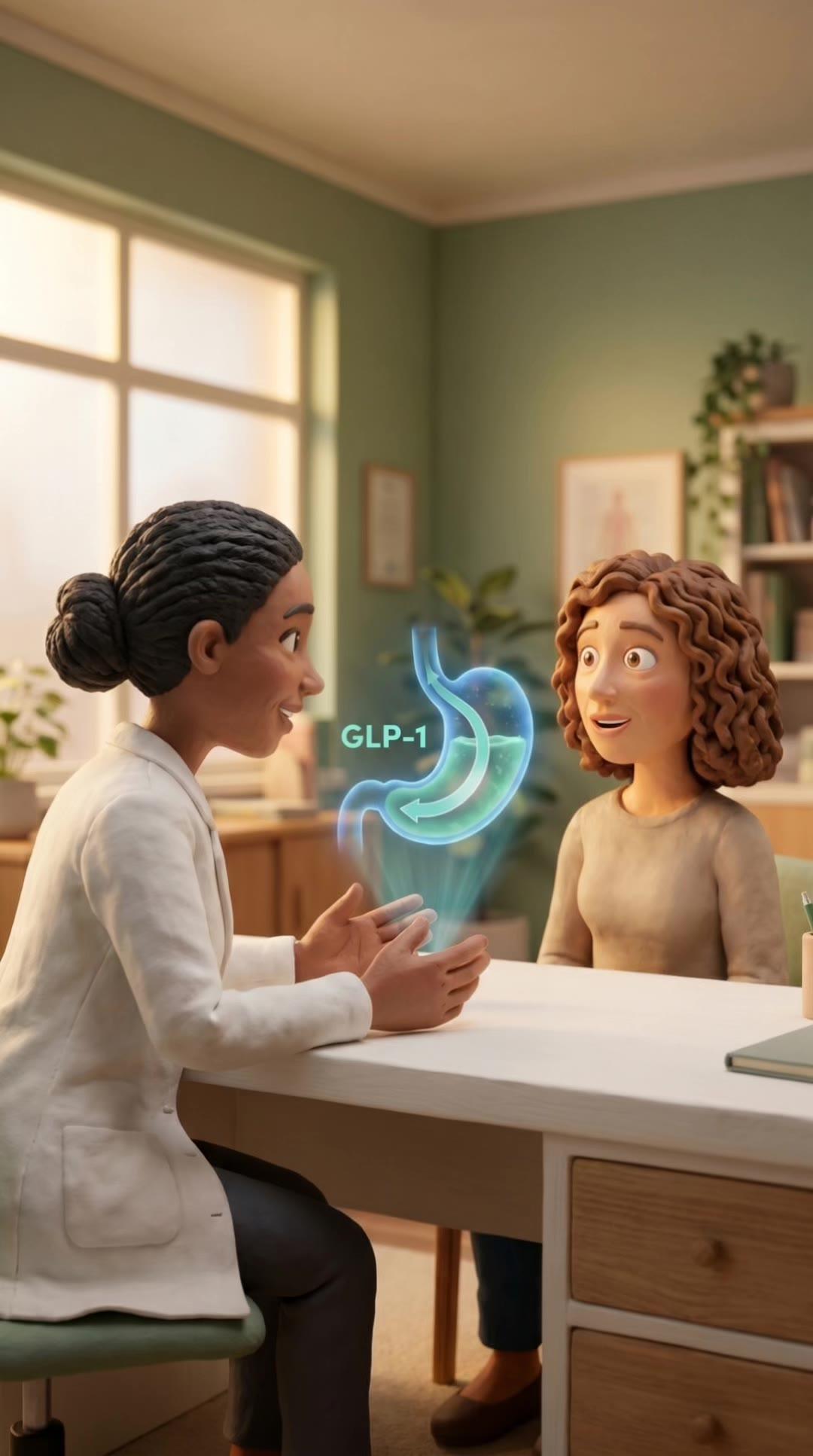
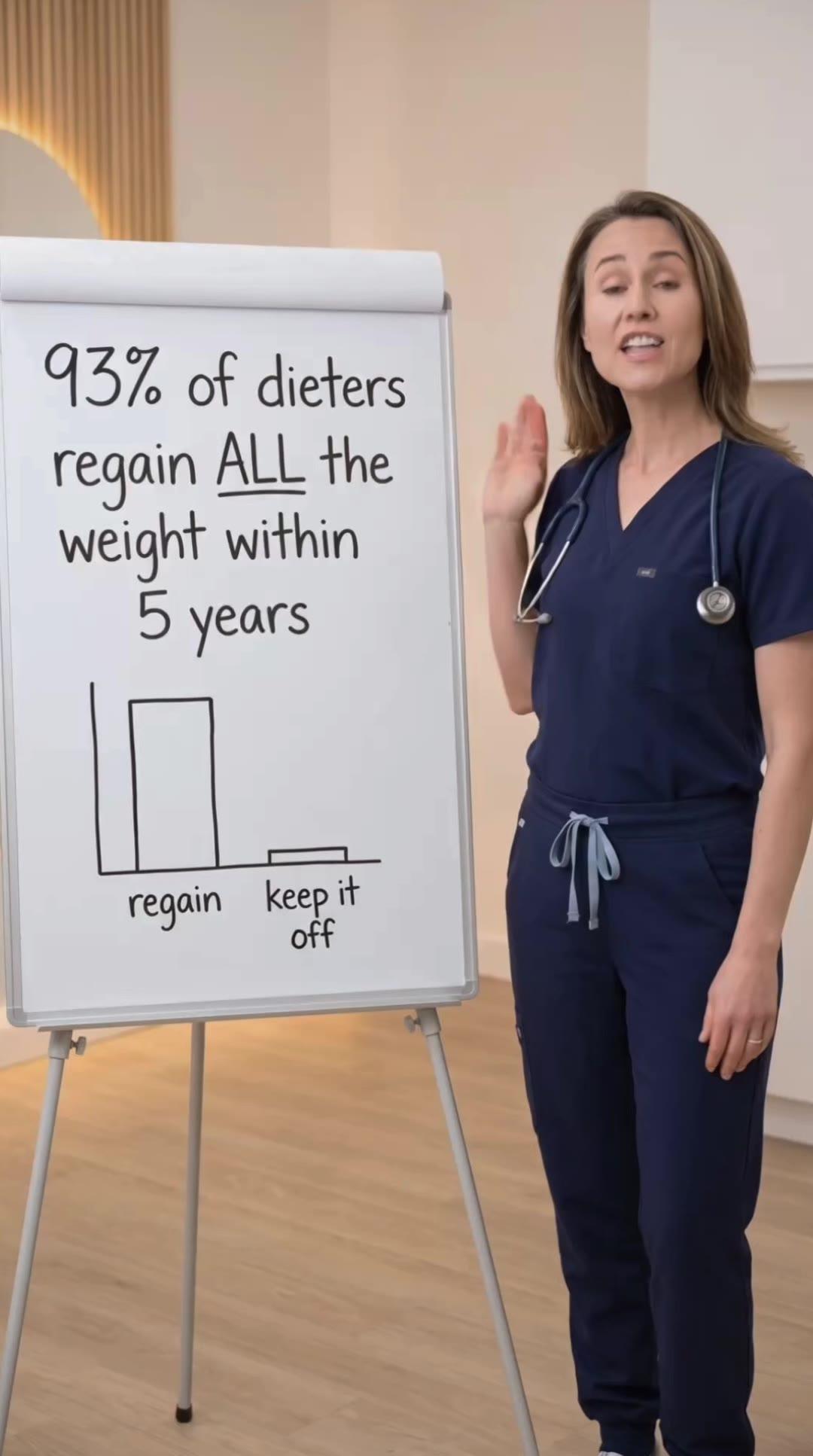
The GLP-1 telehealth category in 2026 has matured to the point where a handful of large brands dominate brand awareness, paid social share, and search demand. Most new GLP-1 founders look at the leaders and feel the same way every founder felt looking at Amazon in 2015: "How do I possibly compete?" The honest answer is that you cannot copy them, but you do not have to. The giants have structural weaknesses that focused challengers can exploit.
Here is how to compete with the big GLP-1 telehealth brands in 2026.
What the Big Brands Are Strong At
Brand awareness. They have run national campaigns for years. Most US adults can name two or three GLP-1 telehealth brands.
Operational scale. Pharmacy partnerships, provider networks, and supply chain infrastructure that took years to build.
Branded search dominance. They occupy the top positions for generic GLP-1 queries and have years of branded search demand baked in.
Where They Are Weak
Specific patient profile depth. A multi-million-patient platform cannot tailor the experience for women over 50 with PCOS or for men 30-45 who want supervised hormonal context alongside their GLP-1 program.
Provider intimacy. Large brands have to standardize the provider experience. Focused challengers can build genuine, named clinical relationships.
Pricing innovation. The giants have locked in pricing structures that are hard to change. Challengers can introduce new pricing models without internal politics.
Long-tail content. The largest brands publish thin content across many surfaces. A focused challenger can build a content engine that ranks for every specific GLP-1 long-tail query.
Positioning That Beats Scale
Patient profile specificity. "The GLP-1 brand for women over 45." "GLP-1 telehealth designed for shift workers." Specific positioning earns trust the generic positioning cannot match.
Clinical depth. Named providers, integrated lab work, supervised dose calibration. Most large GLP-1 brands deliver a transactional medication experience; challengers can deliver a clinical one.
Pricing transparency. The biggest brands often obscure pricing for operational reasons. Challengers can lead with clean, simple, predictable pricing.
Marketing Moves That Beat Spend
Long-tail SEO. The giants do not rank for "GLP-1 telehealth for women with menopause-related weight gain." A focused brand can build content equity in dozens of long-tail terms across 12-18 months.
Provider-led creative. Big brands rely on UGC creators and stock-style imagery. A challenger can put real, named providers on camera and earn trust no creator-style content delivers.
Community building. A private community for a specific patient profile (women over 50 on GLP-1, athletes using GLP-1 for body composition) compounds awareness in ways paid ad spend cannot.
Niche-specific paid social. The giants run broad campaigns. Challengers can run highly targeted campaigns where their offer is sharper than the generalist option. For broader competitive framing, see how to compete with Hims, Ro, and the big telehealth brands.
Concepts we ship, problem-aware to product-aware.
See the work →Channels Where Challengers Win
Podcast advertising in niche-specific shows. Women's health, midlife wellness, longevity, fitness, and specialty podcasts deliver targeted reach the big brands cannot match.
Reddit. Subreddit-targeted ads in r/loseit, r/Semaglutide, r/Tirzepatide convert well when the offer is honest. Most big brands cannot or will not engage authentically in Reddit communities.
SEO long-tail. Twelve to eighteen months of pillar-and-cluster content yields organic traffic the big brands cannot occupy.
Email and SMS to owned audiences. A focused brand with a loyal patient cohort can drive 20-30% of new patients from referral and reactivation campaigns.
What Not to Do
Do not try to match the giants on multi-category breadth. The reason they can offer ten categories is operational maturity. Focus on GLP-1, dominate it, expand later.
Do not compete on price alone. Race-to-the-bottom positioning signals lower quality and erodes the trust that retention requires.
Do not run generic creative because that is what the giants run. Specific creative outperforms generic creative when you do not have brand recognition to coast on.
Do not delay building owned audiences. Email lists, SMS subscribers, and community memberships are the durable assets that protect future CAC.
The Short Version
You cannot outspend the big GLP-1 telehealth brands in 2026. You can out-specialize them, out-trust them in a niche, and out-content them in long-tail terms they cannot economically defend. The challengers who win pick a specific patient profile, build real clinical depth, lead with named providers, invest in compounding owned channels, and treat paid social as a steady engine rather than a magic growth lever. Focus beats budget when the budget gap is large.
Related Articles
How to Compete With Hims, Ro, and the Big Telehealth Brands
Competing with the largest multi-category telehealth brands.
Differentiate a GLP-1 Telehealth Brand
How to differentiate a GLP-1 brand in a crowded market.
GLP-1 Telehealth Brand Positioning
Positioning frameworks for GLP-1 brands.
How to Find New Patients for a GLP-1 Telehealth Brand
Channels and tactics to find GLP-1 patients.
How to Market Female Rx Telehealth Brands
Marketing strategy for female Rx telehealth brands: hormone therapy, birth control, and women's health programs. Positioning, platforms, and compliance.
Your next GLP-1 batch, minus the compliance roulette.
A 30-minute call. We audit your creative approach and show you exactly what a complete angle-format-hook system looks like for your vertical.