Whitelist Page Strategy for TRT and Testosterone Brands
The specific whitelist page approach that works for TRT and testosterone optimization telehealth brands — page identity, ad creative angles, compliance considerations, and portfolio structure.
Concepts shown are internal creative studies, not client campaigns.



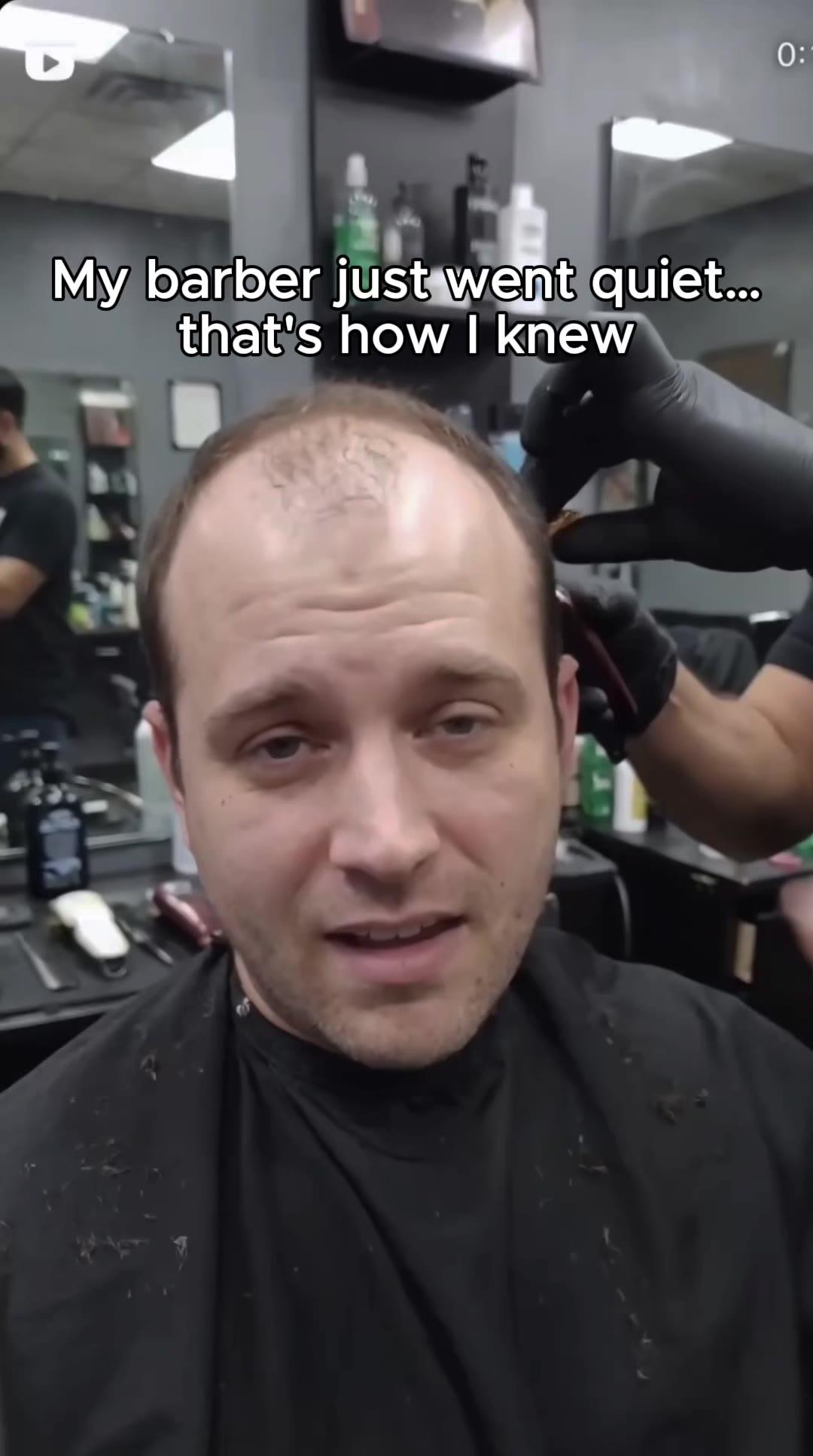





Whitelist page strategy for TRT and testosterone brands is shaped by a category that sits at the intersection of controlled substance advertising rules, a highly motivated male audience, and the specific creative dynamics of men's health. Getting the page infrastructure right for TRT is not just about replicating generic whitelisting best practices — it requires understanding what makes testosterone advertising different and building pages that address those specific dynamics. This is the operational foundation of any serious telehealth paid social program for testosterone brands.
The TRT Advertising Environment on Meta
TRT advertising on Meta operates under heightened scrutiny because testosterone is a controlled substance. Meta's healthcare advertising policies treat prescription drug advertising as a sensitive category requiring elevated review attention. TRT brands face more frequent manual review, more conservative initial review of edge-case creative, and more sensitivity to specific claim types than most consumer health brands.
This environment makes the case for distributed page distribution particularly strong for TRT brands. The compliance friction that comes with testosterone advertising — the rejected tests, the manual holds, the policy edge cases — creates a disproportionate compliance history risk if concentrated on a brand account. A TRT brand that tests aggressively from its brand account accumulates a compliance record that can affect future review treatment for all campaigns from that account.
Distributed pages absorb this friction away from the brand account. The testing activity — with all its normal compliance variability — lives on persona pages that are operationally important but not the brand's primary public identity. The brand account carries the cleanest, most compliance-vetted creative while the distributed pages do the discovery work.
Page Identity Architecture for TRT Brands
TRT brands benefit most from persona page infrastructure rather than publisher pages. The testosterone optimization audience responds to peer-level personal testimony — someone who has navigated the same experience and found what worked. This is the fundamental creative dynamic of the category, and the distribution infrastructure should support it.
Build two to three persona pages for the primary age demographics in your TRT audience. The core TRT demographic typically spans 35-60, with different life contexts representing different audience segments: the 38-year-old feeling the impact of declining energy at the gym, the 47-year-old executive managing fatigue and mental sharpness, the 55-year-old interested in vitality and longevity. Each of these audience segments responds to different persona identities and creative angles.
Consider a secondary publisher page covering men's health or hormone optimization broadly. This page serves as a vehicle for more educational-framing creative — explaining low testosterone, what the treatment process involves, what to expect from TRT — that complements the testimonial-style persona page creative. The publisher page captures the more research-oriented segment of the TRT audience that is still in the evaluation phase rather than the decision phase.
Creative Angles That Work for TRT Whitelisted Campaigns
Problem-recognition hooks outperform benefit-forward hooks for TRT advertising. Men who are experiencing symptoms of low testosterone — fatigue, poor gym recovery, brain fog, mood changes — respond to ads that name their specific experience before offering solutions. A hook that describes the experience of feeling off, not recovering the way you used to, or having energy that does not match your age validates the problem before pitching anything.
The process and access framing is particularly important for TRT because the barrier to entry — navigating what feels like a complex medical process — is a significant conversion obstacle. Creative that demystifies what TRT through a telehealth provider actually looks like — an online consultation, a blood test, a prescription if appropriate — removes the friction that keeps men who are interested from taking the first step.
Age-appropriate identity resonance matters more in TRT than in most categories. Men in their 40s and 50s making health decisions have different identity contexts than men in their 30s. Creative and persona identities that reflect the specific life stage of the target audience — responsibilities, priorities, the specific ways that energy and performance matter in their daily life — convert better than generic men's health creative that does not feel targeted.
Concepts we ship across every awareness stage.
See the work →Compliance-Specific Considerations for Testosterone Advertising
Testosterone is a Schedule III controlled substance. This classification affects what claims are appropriate in advertising. Specific efficacy claims — claiming that TRT will produce specific outcomes, guaranteeing symptom resolution, or making comparative claims about treatment outcomes — are areas of heightened regulatory risk. Creative review for TRT brands should have explicit standards for what outcome claims are and are not appropriate.
Before-and-after framing is a non-starter for TRT advertising under current platform policies. Any creative that implies dramatic physical transformation attributable to testosterone therapy is likely to fail Meta's healthcare advertising review. Creative that focuses on subjective experience — energy, mood, performance, quality of life — is in a more defensible position than creative that implies measurable physical changes.
The consultation-first framing is both compliance-friendly and commercially effective. Creative that positions TRT as something you explore through a medical consultation — not something you buy and start — is accurate to the telehealth model and avoids the directness that triggers healthcare advertising review issues. "Find out if TRT is right for you" is more compliant and often more effective than "Start your TRT program today."
Targeting and Audience Strategy for TRT Campaigns
TRT audience targeting is more constrained than most health categories because testosterone therapy advertising may be subject to Meta's restrictions on ads targeting users based on health conditions. This constraint shapes which targeting approaches are viable. Interest-based targeting using fitness, performance, and men's health interests is generally more viable than health-condition-based targeting.
Lookalike audiences built from your existing customer base are among the most valuable targeting tools for TRT brands running whitelisted campaigns. A lookalike based on high-value customers who have completed the intake process filters toward the audience profile most likely to convert without relying on health-condition targeting. Building and maintaining high-quality seed lists for lookalike construction is worth the operational investment.
Age targeting is appropriate and effective for TRT. Targeting 35-65 year-old men with TRT-relevant creative is neither discriminatory nor non-compliant — it is accurate targeting to the population most likely to have the relevant need and benefit from the information. Age-layered targeting combined with fitness and performance interests produces an audience that aligns well with TRT telehealth conversion profiles.
Portfolio Maintenance for Long-Term TRT Campaigns
TRT campaigns benefit from the full 90-plus day page aging requirement — do not attempt to shortcut the aging period for testosterone-specific advertising. The heightened review environment for controlled substance advertising means that pages with limited history face more friction than in other categories. Aged pages with established organic content history provide a meaningfully better starting point for TRT campaign review.
Organic content for TRT persona pages should reflect the health journey naturally rather than the treatment specifically. Men's fitness, recovery science, sleep optimization, nutrition, and general performance content builds the persona's identity without creating a page that reads as explicitly TRT-promotional. The treatment-adjacent content — what testosterone does, what low T symptoms look like, what the medical community says — can appear occasionally within this broader health identity.
Plan to always have one page in the aging pipeline beyond your active page count. If you are running two active TRT persona pages, have a third aging toward readiness. When one of the active pages needs to be retired — due to restrictions, identity exhaustion, or creative performance decline — the replacement is ready rather than requiring another 90-day wait. Continuous pipeline management is what makes multi-page distribution consistently sustainable at scale.
Related Articles
Persona Page Strategy for Men's Health Telehealth Brands
How TRT, ED, and hair loss telehealth brands should build persona page identities, structure organic content, and approach ad creative.
Persona Pages vs Publisher Pages vs Creator Whitelisting
The three main whitelisting vehicles for telehealth paid social and how each performs for different verticals.
Why Aged Facebook Pages Outperform New Ones for Telehealth Ads
How page age affects ad performance and compliance review for telehealth brands running whitelisted campaigns.
Whitelisting and Compliance for Telehealth Ads
How whitelisting interacts with FDA, FTC, and Meta platform compliance for telehealth brands running distributed ad campaigns.
Whitelist Page Strategy for Female Rx and Anti-Aging Brands
How women's health and anti-aging telehealth brands should build whitelist page portfolios, structure ad creative, and approach audience targeting on Meta.
Ready to build a testing system that scales?
A 30-minute call. We audit your creative approach and show you exactly what a complete angle-format-hook system looks like for your vertical.