What Makes a Telehealth Ad Actually Work
A founder-level breakdown of the structural elements behind telehealth ads that convert. Hook, story, proof, and call to action, with the order and balance that actually drive booked consultations.
Concepts shown are internal creative studies, not client campaigns.
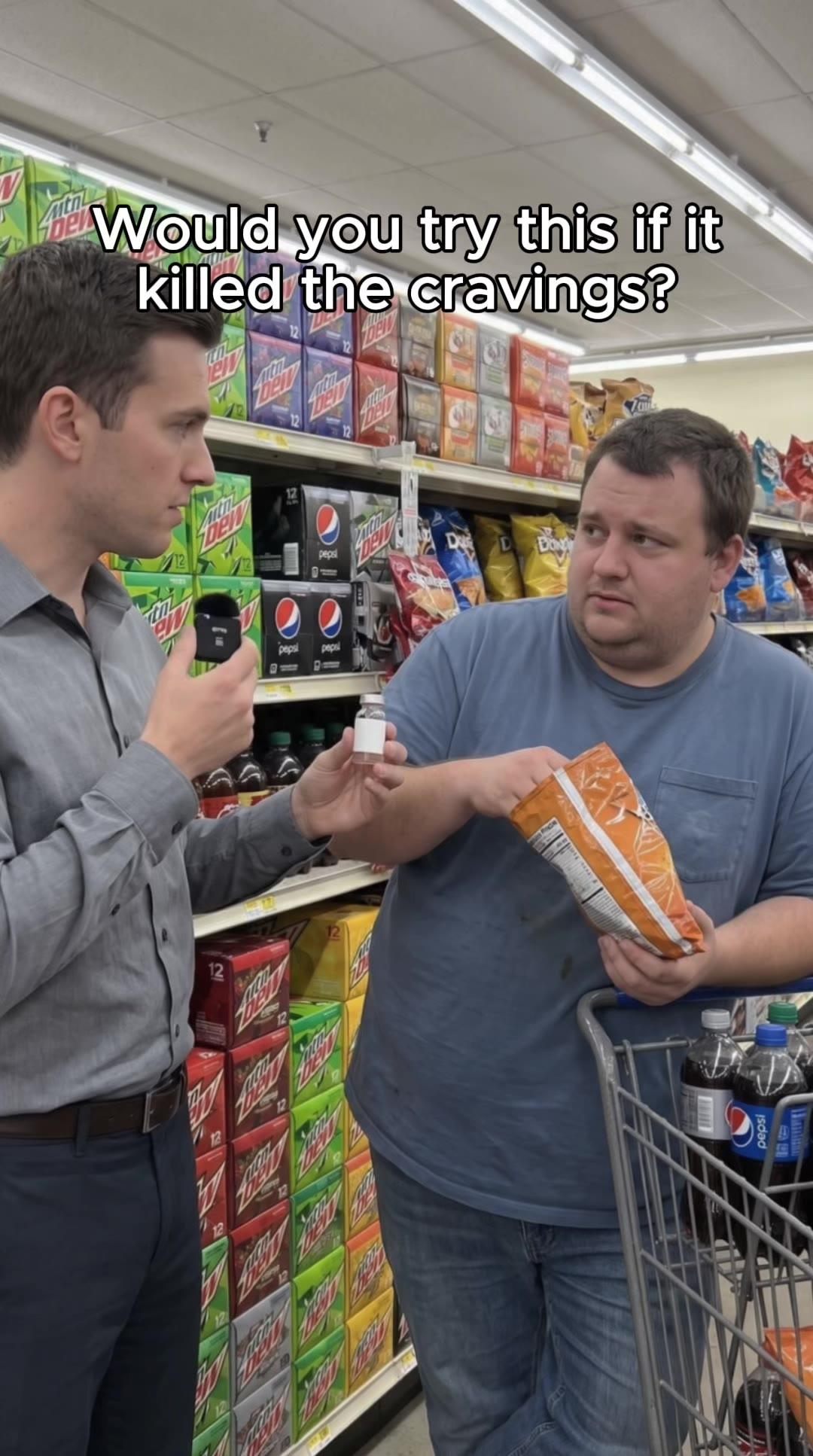
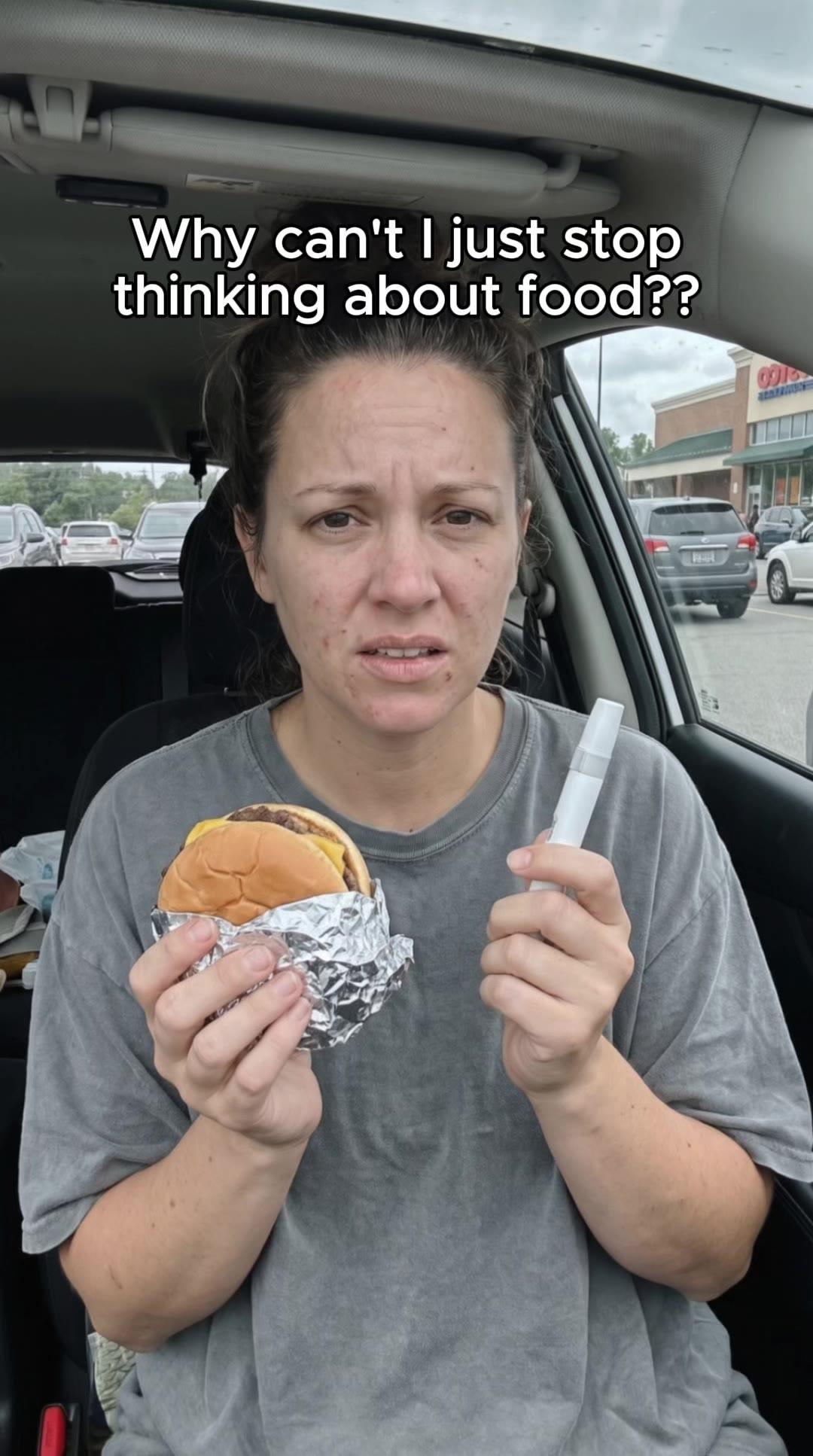
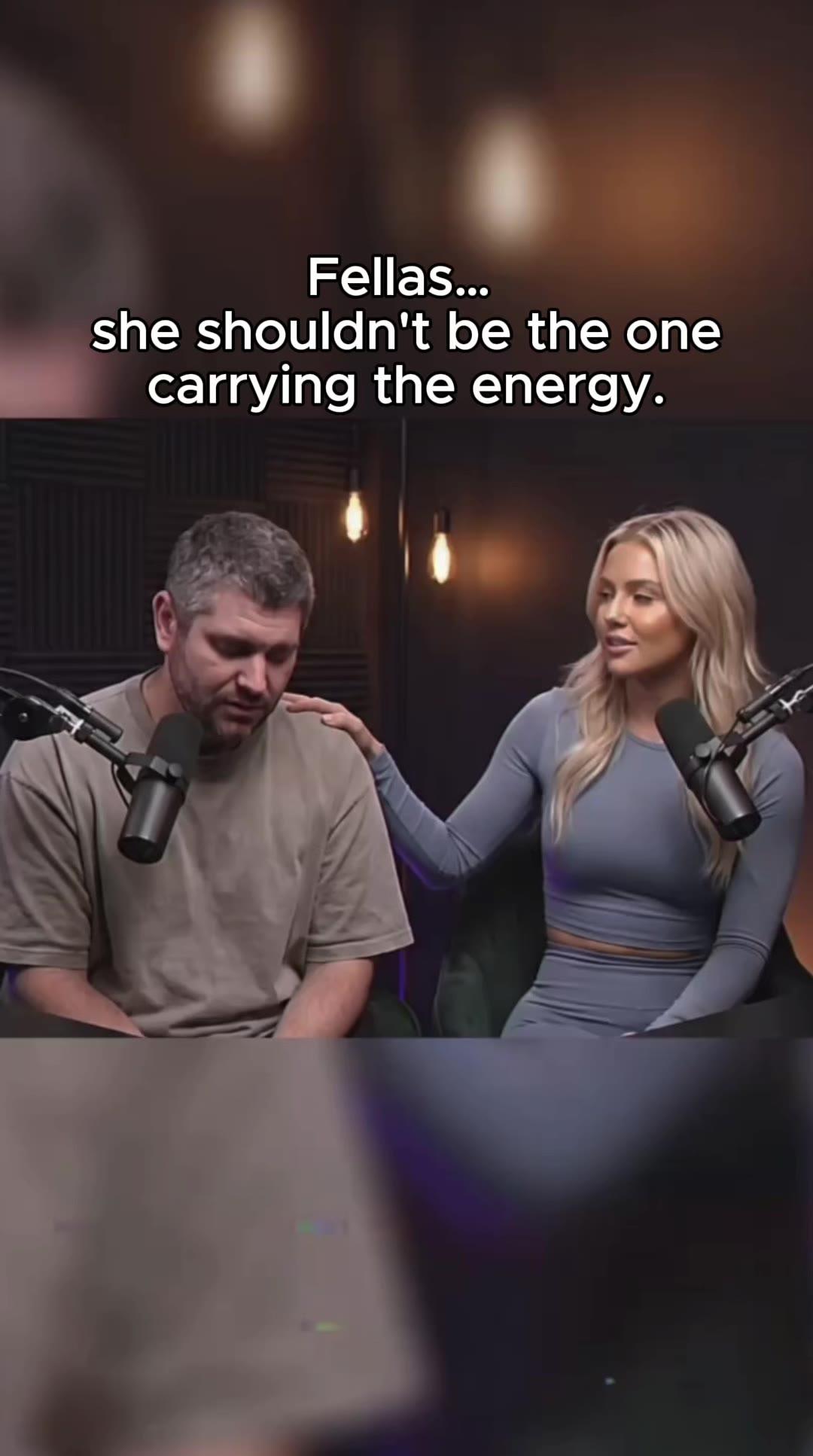
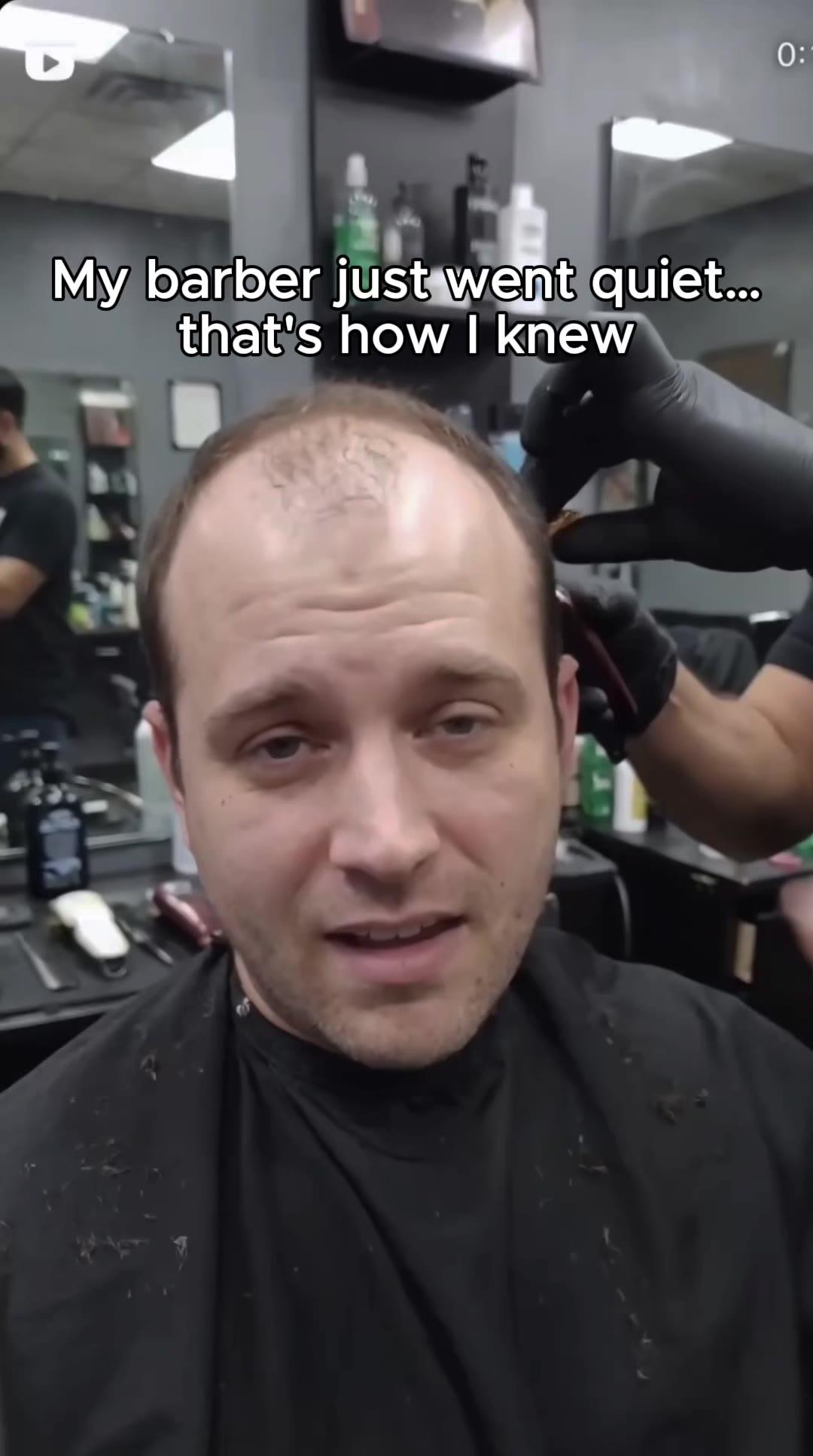

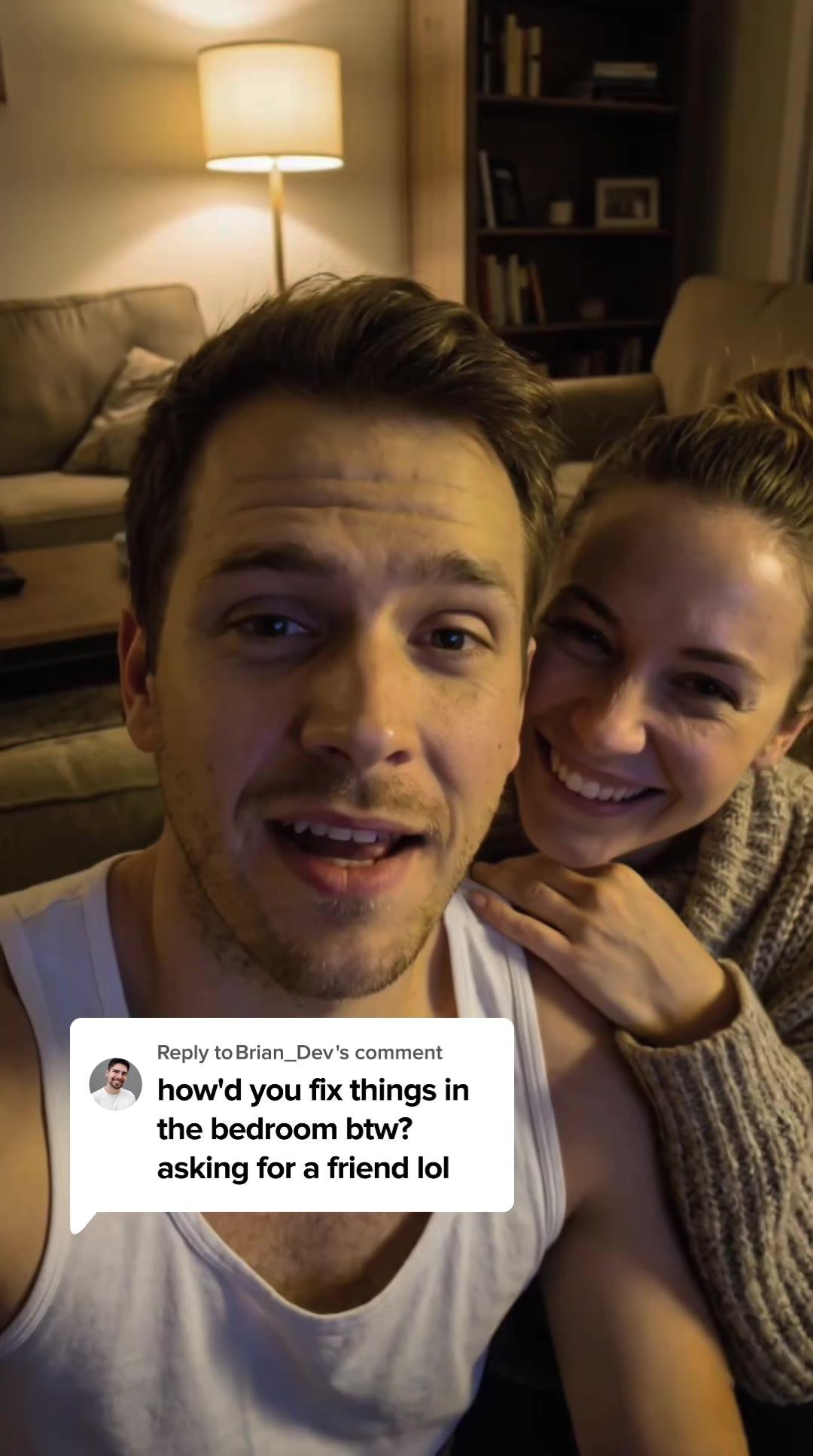

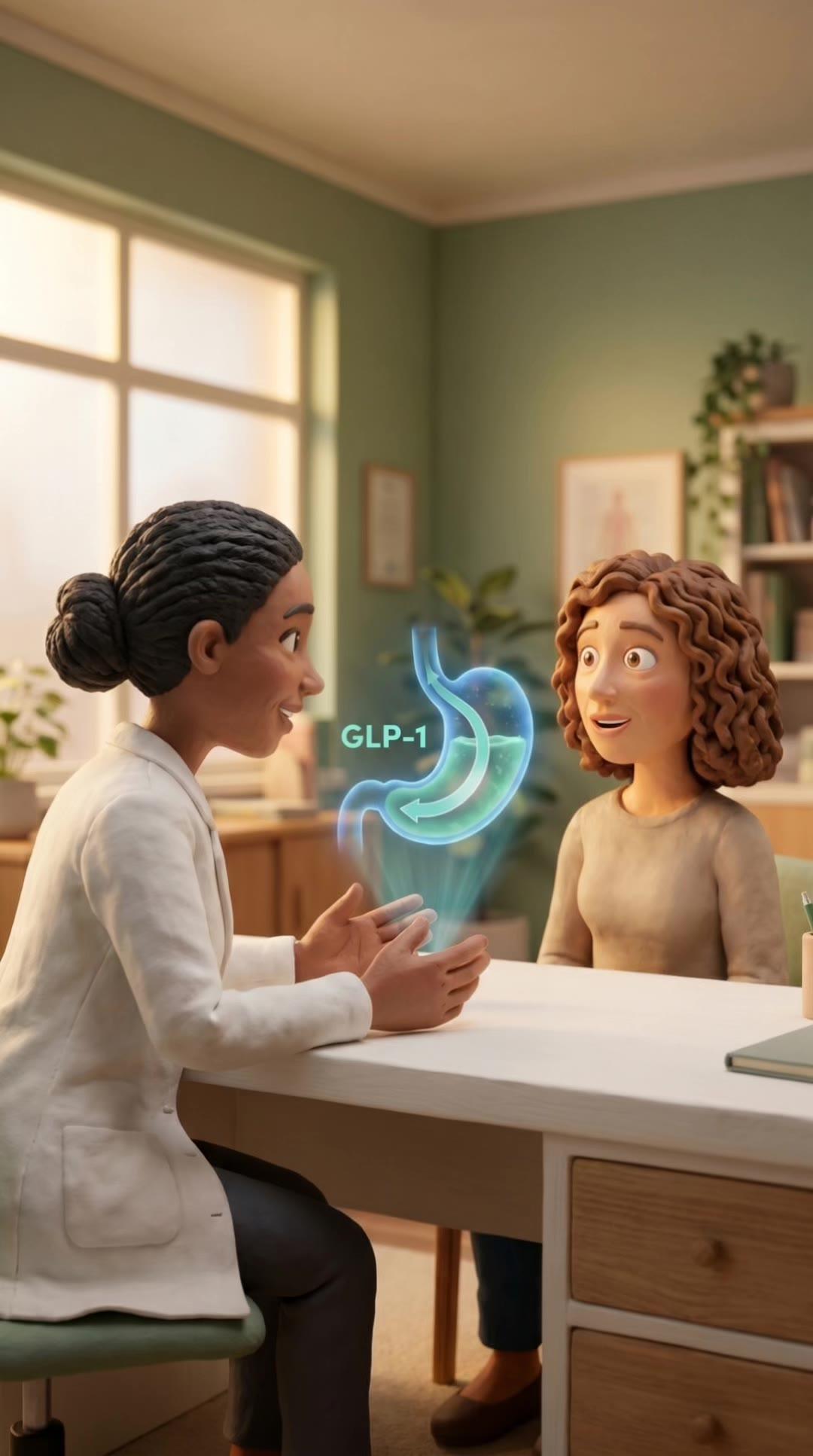
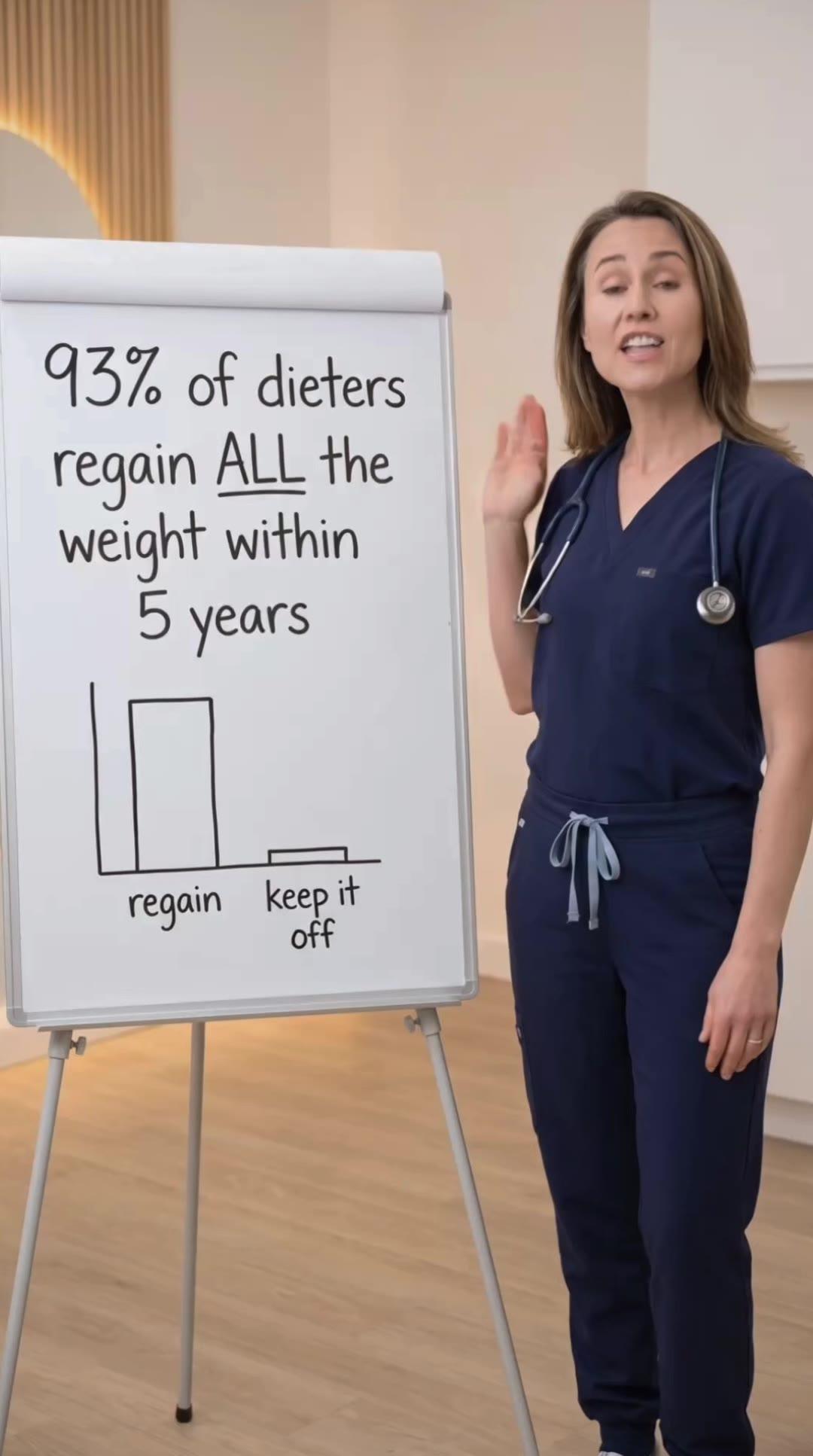
Most telehealth founders watch their ads and have a gut sense for whether something is working. They are not always sure why. This article is meant to take the mystery out of it. The ads that convert in 2026 share a few structural patterns; once you can see the structure, the gap between mediocre and great becomes obvious.
Here is what makes a telehealth ad actually work in 2026, broken down into the four parts every high-performing ad has and the balance between them.
Part One: A Hook That Names Someone
The first three seconds decide whether the viewer keeps watching. The hooks that work in 2026 name a specific person or moment. Not "Are you struggling with weight loss?" but "If your weight stopped responding to diet and exercise after age 40..." The first hook is generic and triggers platform flags; the second is specific and triggers self-recognition.
Specificity is the lever. The best telehealth hooks describe a moment, a frustration, or a turning point that one type of patient will recognize instantly. They are not asking a question. They are completing a sentence the viewer was already thinking.
Part Two: A Story That Earns Attention
After the hook, the ad has 20-60 seconds to do something useful. The ads that hold attention tell a small, specific story. A doctor explaining how a medication actually works at the receptor level. A customer walking through what changed in their day-to-day. A provider describing what they look for in a candidate.
The story has to feel real. Generic stock-style narration loses attention fast. Real specifics ("I noticed it around month two, when my afternoon energy stopped collapsing") feel honest and earn the next 30 seconds of viewer attention.
Part Three: Proof the Brand Is Credible
Telehealth is a trust-sensitive category. The patient is handing over personal health information and committing to a recurring relationship with a provider they have never met. The ads that convert build trust through small, concrete proof points.
Credentials matter, but generic credentials fail. "Board-certified physicians" is generic; "Dr. Sarah Chen, internal medicine, licensed in 38 states" is specific. Pharmacy partners matter. State availability matters. The patient is looking for evidence that this is a real medical service, not a sketchy DTC operation. Specificity wins.
Part Four: A Call to Action That Reduces Friction
The call to action is where most telehealth ads underperform. "Get started" is forgettable. "Click here to see if you qualify" is better. "Take the 60-second intake to check if you are a candidate" is best. The call to action that converts names the next step and previews how long it will take.
Patients drop off when they cannot predict what comes after the click. Reducing that uncertainty in the call to action lifts click-through to landing page conversion by 10-20% across most categories.
Concepts we ship across every awareness stage.
See the work →The Balance Between the Four Parts
The right balance depends on the audience and format, but here are the rough proportions for a 60-90 second telehealth video ad: hook should be 3-5 seconds, story should be 40-60 seconds, proof should be 10-15 seconds, call to action should be 5-10 seconds.
Ads that spend 20 seconds on the hook are usually trying too hard. Ads that spend 40 seconds on proof are losing the audience to credentialing rather than story. The story is the part that earns the conversion; the other three parts exist to support it.
What Kills Telehealth Ads
Music too loud. Telehealth ads underperform with energetic music; quieter mixes or natural audio outperform.
On-screen text that contradicts the voiceover. Reviewers flag the inconsistency, and the audience reads it as careless.
Lack of specificity. Generic claims, generic credentials, generic creators. The audience tunes out within four seconds.
Production value that screams "this is an ad." Highly polished, fast-cut, music-driven ads look like commercials. Telehealth audiences read commercials as untrustworthy. Lower-fi creative consistently outperforms higher-fi creative in 2026.
What Separates Good from Great
The great telehealth ads of 2026 do one thing the good ones do not: they sound like a person, not a brand. The script reads like something the creator or provider would actually say to a friend. The cadence is natural. The objections are addressed in passing, not in scripted "FAQ" beats. The viewer finishes the ad feeling like they learned something, not like they were sold something.
For specific format breakdowns, review the best telehealth ads of 2026.
The Short Version
A telehealth ad that works in 2026 has a hook that names someone specific, a story that earns attention, proof points that build trust, and a call to action that previews the next step. The balance favors the story. The voice favors a person, not a brand. The production value stays grounded enough that the viewer reads the ad as real rather than commercial. Get those four parts right and conversion follows.
Related Articles
The Best Telehealth Ads of 2026 (and Why They Work)
A breakdown of the highest-performing telehealth ad patterns of 2026.
The Archetype, Angle, and Format System for Telehealth Creative
A three-layer framework for organizing telehealth ad creative around archetypes, angles, and formats. How the layers connect and why the order matters.
UGC Hook Formulas That Work for Telehealth Brands
Proven hook structures for telehealth UGC ads that stop the scroll, including examples for GLP-1, TRT, ED, hair loss, and peptide brands.
UGC Scripting for Telehealth: How to Write Without Sounding Scripted
How to write UGC scripts that feel authentic, stay compliant, and drive conversions for GLP-1, TRT, ED, and peptide telehealth brands.
Ready to build a testing system that scales?
A 30-minute call. We audit your creative approach and show you exactly what a complete angle-format-hook system looks like for your vertical.