Hair Loss Ad Creative for Telehealth Brands
Finasteride, minoxidil, and the full creative strategy for a vertical that's less restricted than most — and still requires a clear-eyed approach to what works and what overpromises.
Concepts shown are internal creative studies, not client campaigns.
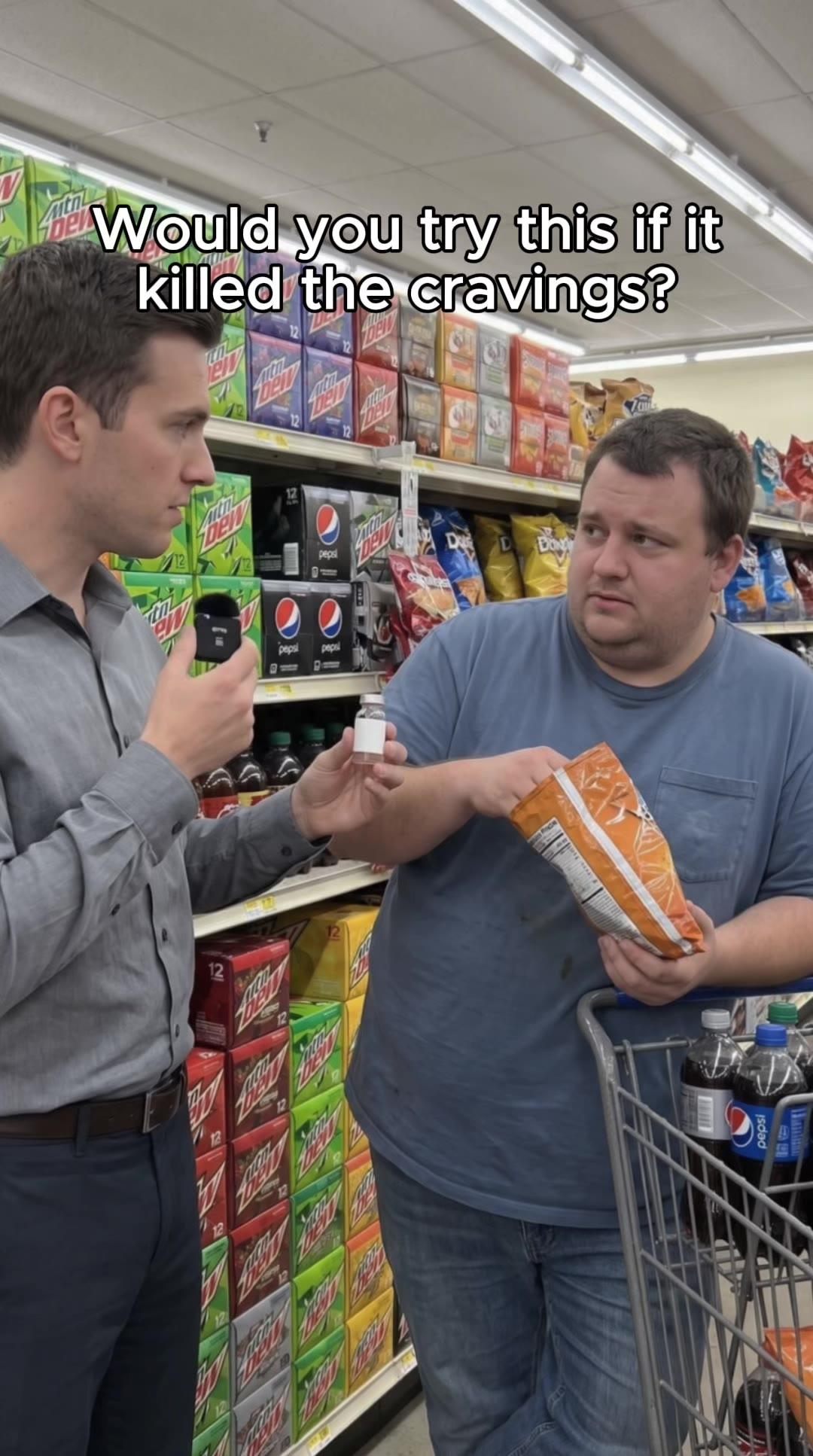

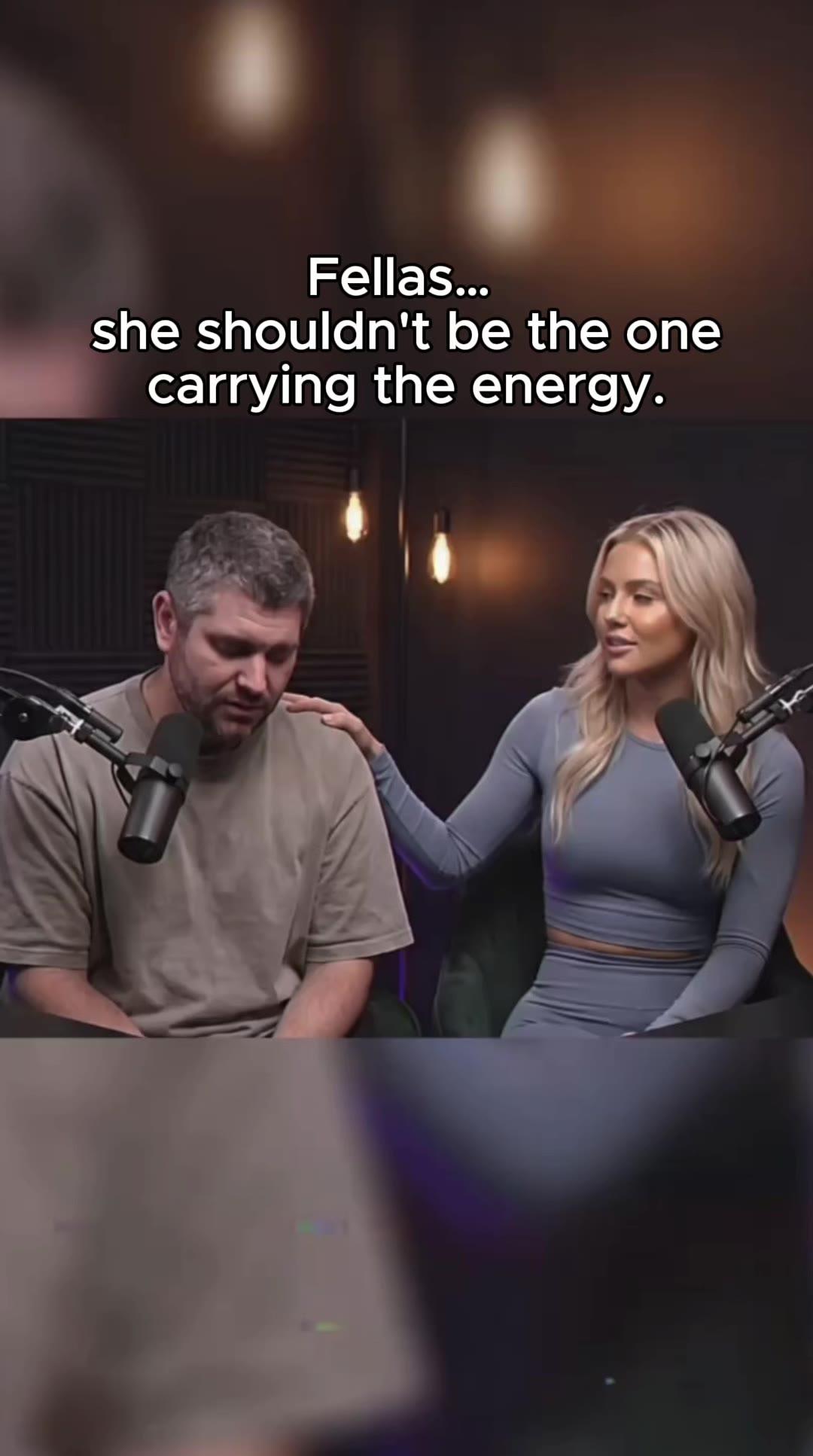
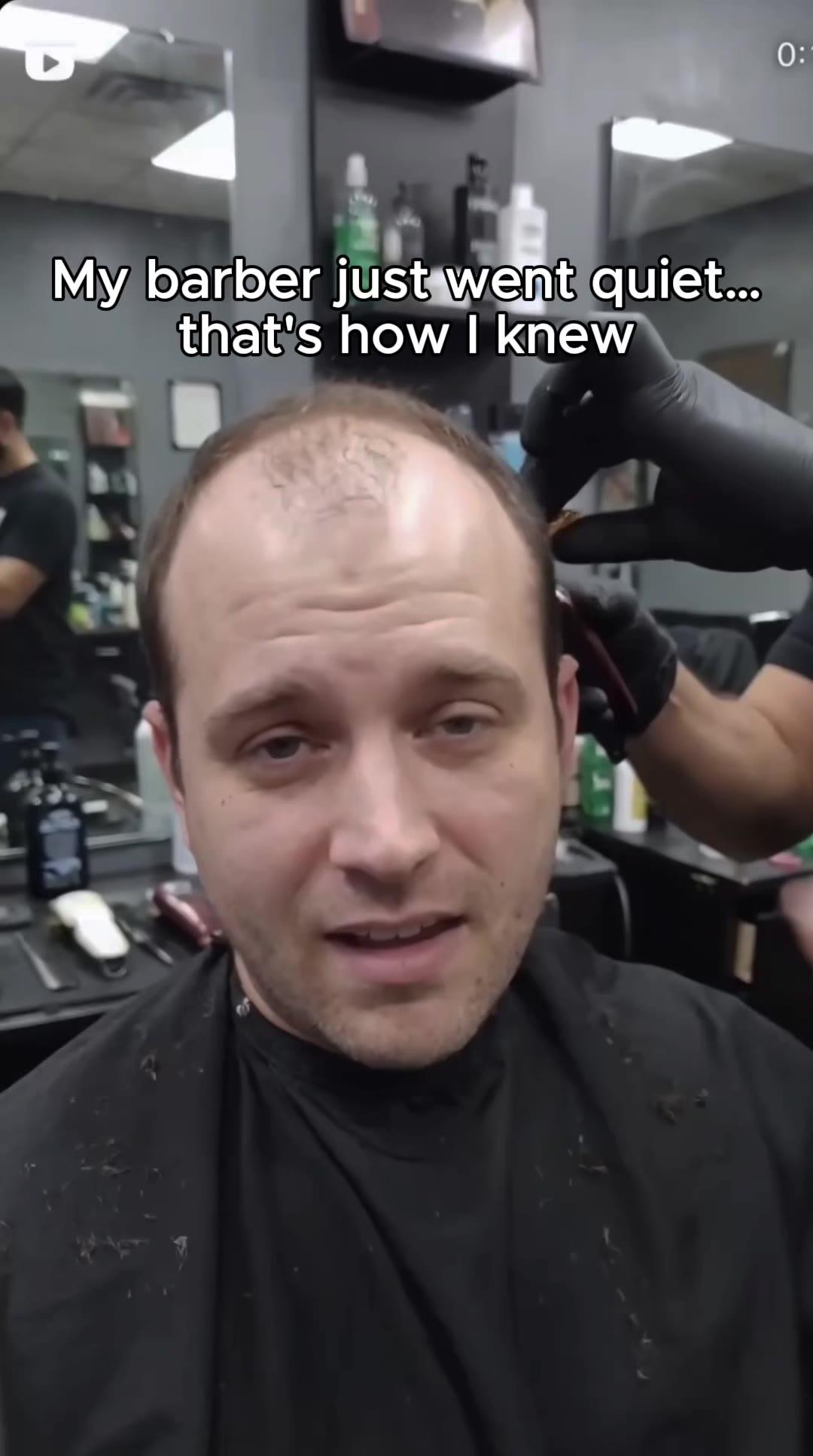

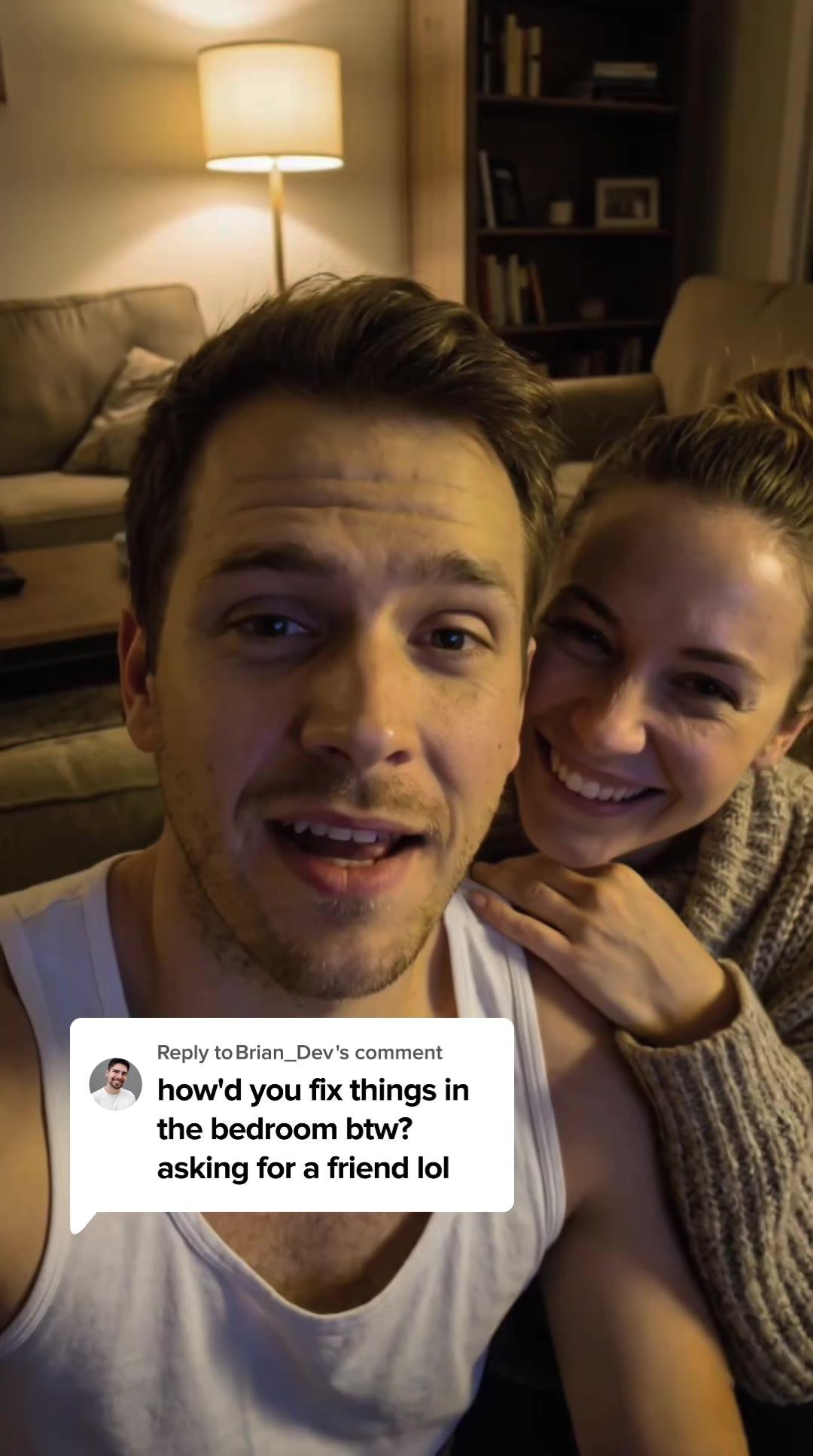

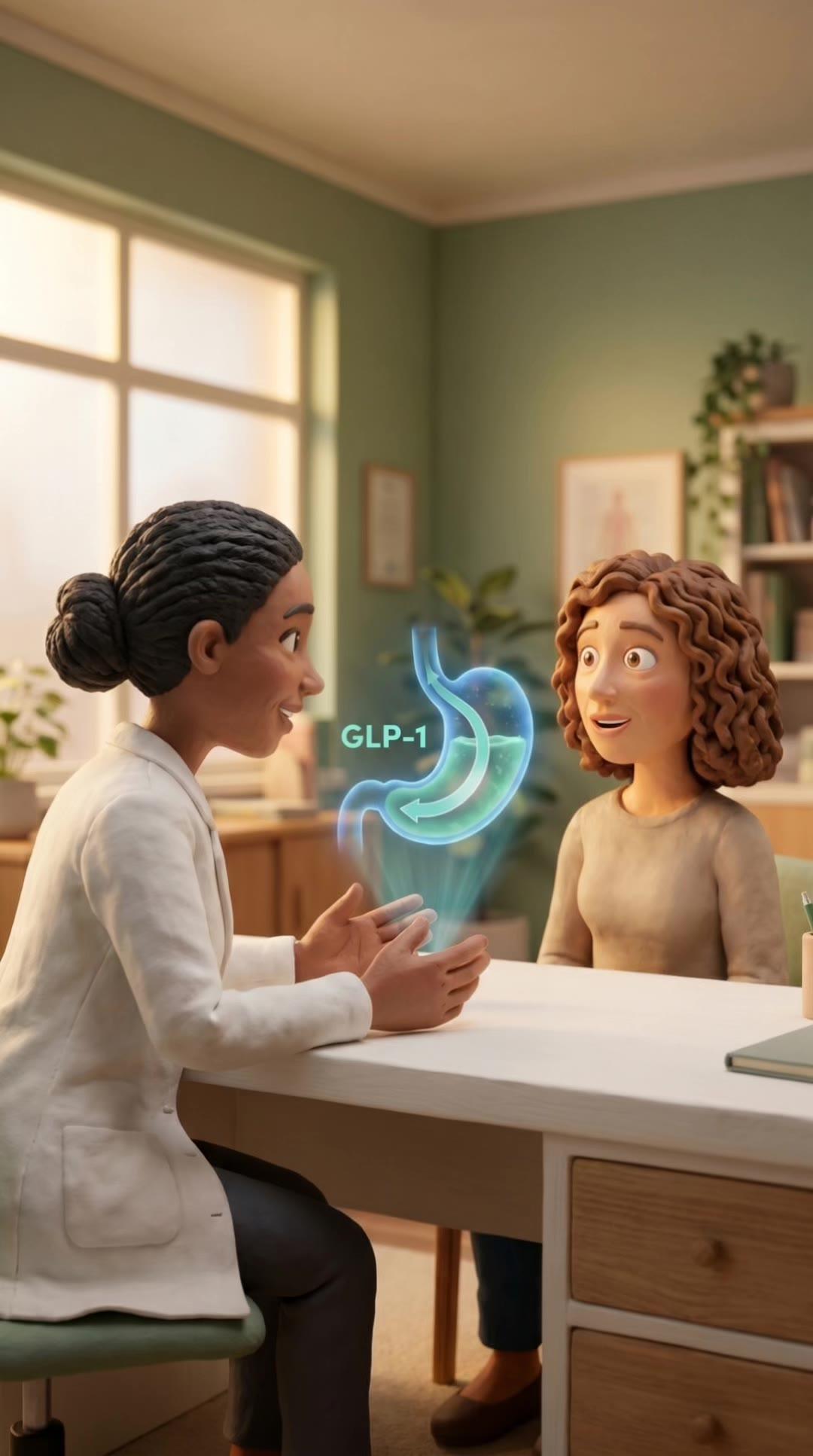
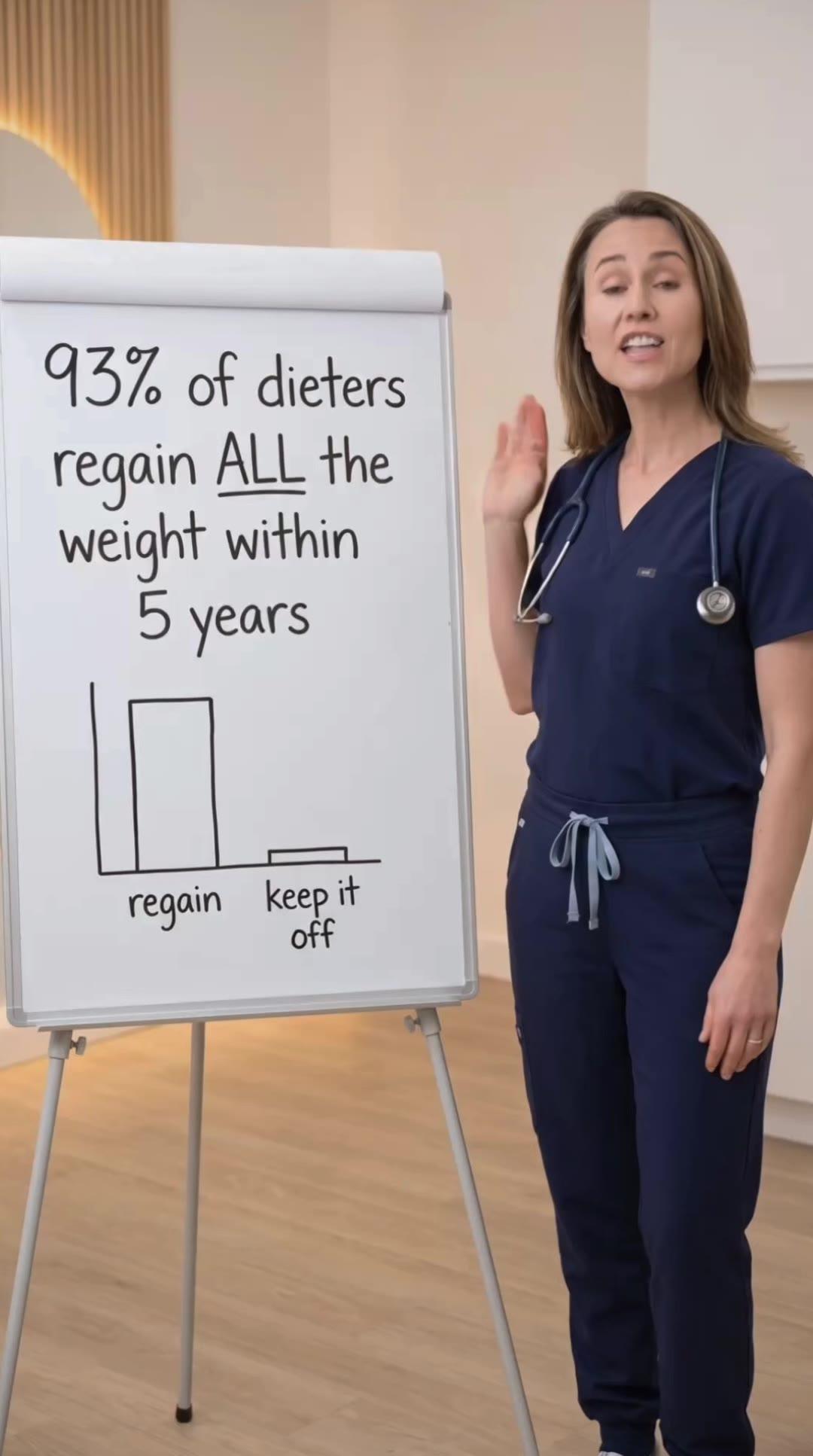
Hair loss ad creative for telehealth is one of the more workable categories in the space. Compared to GLP-1, ED, or peptide advertising, the platform restrictions are lighter, the audience is large and actively searching, and the product story — finasteride, minoxidil, and physician-supervised hair loss programs — is easy to explain without triggering policy red flags. That doesn't make it automatic. There are still meaningful creative choices to get right, compliance lines that matter, and positioning decisions that separate brands that scale from brands that plateau.
Who You're Actually Talking To
The primary audience for male hair loss telehealth is men between 25 and 45 who are in the early to moderate stages of hair recession. This is a meaningful distinction. Unlike the man who has been bald for ten years and made peace with it, this audience is acutely aware of a change that's happening right now. They've noticed it in the mirror. They've had the quiet moment of pulling hair out of the drain. They are not passive — they're actively curious about whether there's anything to be done, and they're doing research.
That self-awareness is your creative leverage. You don't need to convince this audience that hair loss is happening or that it matters to them. You need to convince them that acting early is worth it and that your platform is the right way to act.
The Creative Narrative That Works
The early intervention story is the most reliable narrative in hair loss creative. "The earlier you start, the better the results" is honest, actionable, and creates urgency without manufacturing false fear. It's also accurate — finasteride is more effective at maintaining existing hair than regrowing lost hair, so starting earlier genuinely does produce better outcomes. The ad can make this point simply, without medical exaggeration, and it lands because the audience already suspects it to be true.
Process explanation creative also performs well. Walking through how finasteride works at a hormone level — specifically the DHT mechanism that drives male pattern hair loss — gives the audience the informational scaffolding they need to feel like they're making an informed decision rather than just buying something. This format is particularly effective for audiences who've done initial research and want to understand the science before committing to a consultation.
A comparison with doing nothing is a third narrative that converts. Not a dramatic fear-based approach, but a simple framing: "What happens if you wait another year versus starting a physician-supervised program today." This works because it makes the cost of inaction concrete without being alarmist, and it positions the telehealth program as an easy, accessible decision rather than a major medical intervention.
What Overpromises and Gets You in Trouble
The most common creative mistake in hair loss advertising is using before/after hairline photos without proper disclosure and disclaimer treatment. Some platforms allow before/after imagery in the hair loss category with appropriate disclosures — this is different from weight loss, where before/after is more broadly restricted. But "some platforms allow it sometimes with conditions" is not the same as "freely use it everywhere." Check platform policies for your specific ad account category before running hairline comparisons, and ensure any before/after creative includes a clear disclaimer that results vary.
Claiming to "reverse" hair loss rather than "slow or stop" it is a meaningful distinction that trips up a lot of hair loss creative. Finasteride and minoxidil are well-evidenced for halting progression and, in some cases, producing modest regrowth — but claiming full restoration as a typical outcome is not supported by evidence and will draw scrutiny. Language around "slowing hair loss," "maintaining what you have," and "may support regrowth" is accurate; language that implies full reversal or guaranteed thickness restoration is not.
Female Hair Loss Is a Separate Vertical
Female pattern hair loss is a growing segment and requires completely different creative. The causes are different (hormonal, nutritional, stress, post-partum, androgenetic alopecia with different mechanisms than in men), the treatments are different (minoxidil is the primary option, with some off-label use of other treatments), and the emotional register of the creative is entirely different. Hair loss carries different psychological weight for women than it does for men, and the creative needs to reflect that — with more emphasis on the physician relationship, the diagnostic process, and the personalized treatment approach.
Don't adapt your male hair loss creative for female audiences with minor copy changes. The images, hooks, and narrative structure all need to be rebuilt from scratch. A woman noticing diffuse thinning at the crown is having a fundamentally different experience than a man with a receding hairline, and the creative that resonates with her is correspondingly different.
Concepts we ship across every awareness stage.
See the work →Video and Static Creative Roles
For hair loss telehealth on Meta, the creative format that drives the most top-of-funnel acquisition is video. Specifically, an authentic talking-head format from a man who fits the target demographic — mid-30s, credible, conversational — describing noticing recession and deciding to act early. The most effective version of this doesn't look like a testimonial ad. It looks like someone talking to a friend. The brand message comes in the final five to ten seconds rather than being distributed throughout.
Static creative plays a different role. Clean product imagery with benefit-focused copy — "physician-prescribed finasteride, shipped to your door" — performs well in retargeting against people who've already engaged with video content or visited the site. The static ad doesn't need to educate or tell a story. Its job is to re-surface the brand to someone already in the consideration phase and provide a clean path to conversion.
Subscription Framing and Telehealth Access as Differentiators
Hair loss treatment is ongoing — finasteride needs to be taken consistently to maintain its effect, and the physician supervision model means regular check-ins and prescription renewals. Building the subscription and convenience story into creative is honest and functional. "Start online, get your prescription handled, and keep it going without repeated appointments" is a real value proposition that differentiates telehealth from going to a dermatologist for an in-person prescription.
Price comparison against in-person dermatology is available as a creative angle in this category in a way that's harder to use in more sensitive verticals. The cost and access friction of getting a finasteride prescription from a dermatologist — wait time, appointment fee, office co-pay, ongoing prescription management — is a real barrier that telehealth removes. Make that explicit. Audiences who've already priced out the traditional route will convert on the convenience and cost story faster than on the clinical narrative.
Related Articles
Before and After Claims in Telehealth Advertising: The Full Compliance Guide
How to use before and after content in telehealth ads compliantly. What disclaimers you need, what Meta allows, and how to avoid FTC violations.
The Best Ads from Telehealth Brands Right Now
Breakdown of the telehealth ad creative that is actually working in 2026. Real examples from top brands with analysis of what makes them perform.
AI-Generated UGC for Telehealth: What Is Possible in 2026
How AI-generated video, avatars, and synthetic UGC perform for telehealth ads in 2026, including tools, compliance risks, and when to use real creators instead.
Ready to build a testing system that scales?
A 30-minute call. We audit your creative approach and show you exactly what a complete angle-format-hook system looks like for your vertical.