What a Real Creative Production System Looks Like
A real creative production system for telehealth has four components: brief, produce, launch, and learn. Most brands have the middle two and are missing the first and last. The result is production that outputs work but does not improve. This is what the full system looks like and how to build it.
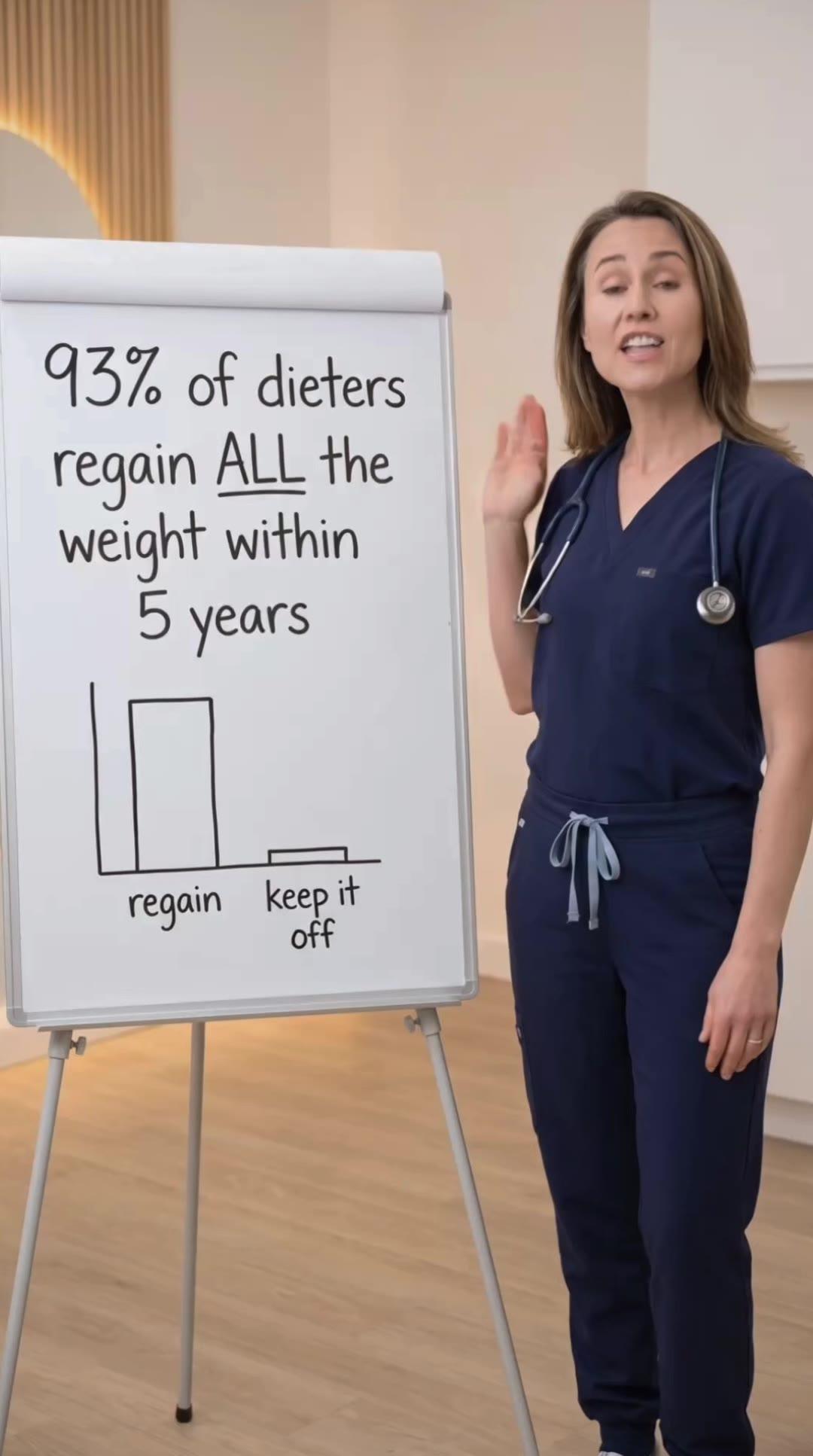
Concepts shown are internal creative studies, not client campaigns.





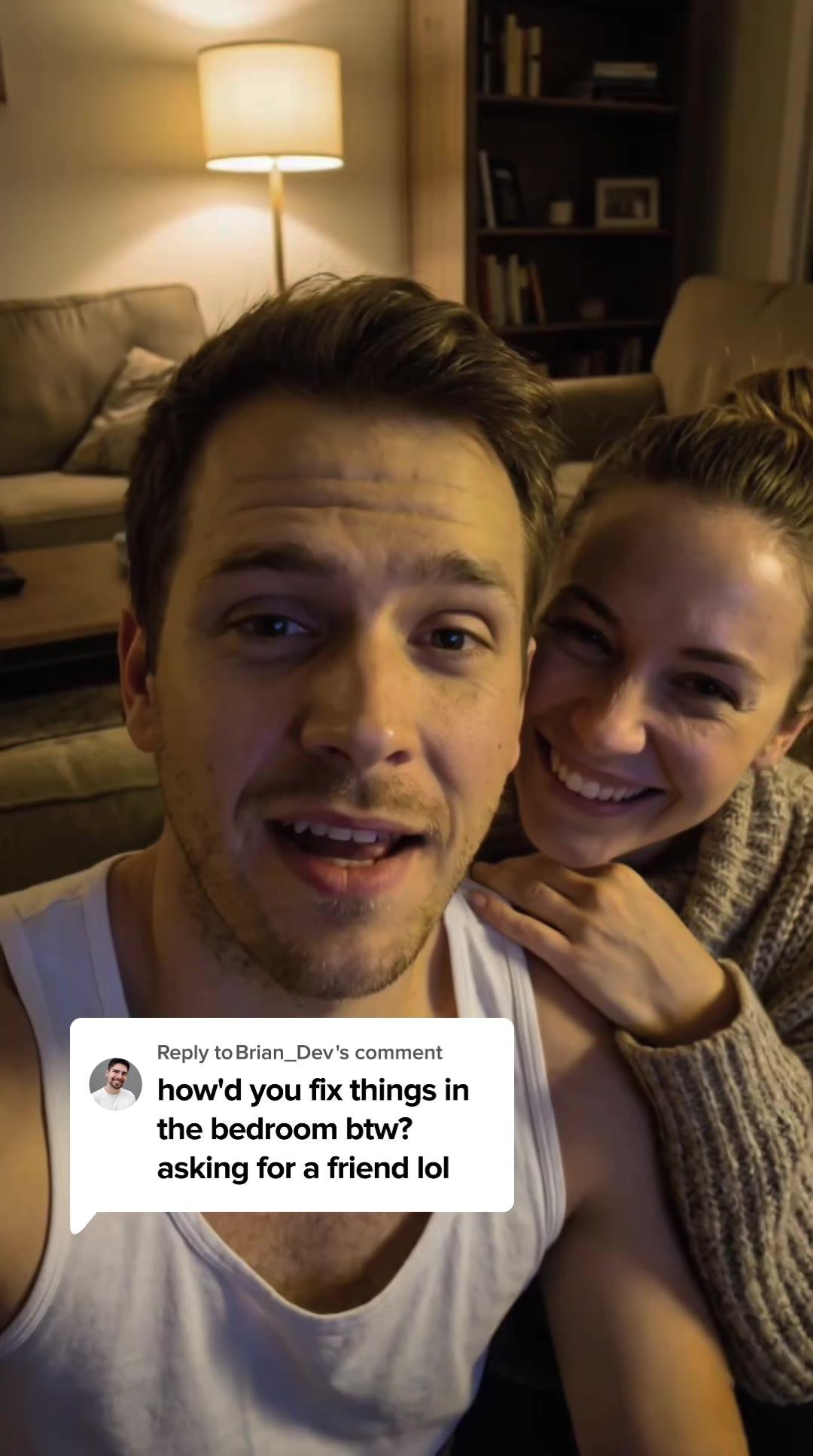


The word "system" implies something more rigid than it needs to be. A creative production system for a telehealth brand is not a piece of software or a complex workflow tool. It is a set of connected practices that, taken together, ensure each sprint of creative production builds on the last rather than starting from scratch.
The four components — brief, produce, launch, learn — represent the complete cycle. Each feeds the next. Breaking the cycle at any point means the downstream components lose their foundation. Brief without learn means each sprint is informed only by intuition. Learn without brief means the insights do not make it into production. The system only works when all four are functioning and connected.
Component One — Brief
The brief component is where strategy enters the production cycle. It answers three questions for every piece of creative going into production: what demand premise is this testing, who is it for specifically, and what is the single core message? The brief also specifies the archetype, the format with rationale, the compliance parameters, and the success definition.
The brief component requires two upstream inputs. The first is the angle library — the documented record of demand premises that have been identified as worth testing, prioritized by strength of the hypothesis and size of the potential audience segment. The second is the performance record from the learn component — angle-level performance histories that tell the brief writer which premises have proven out, which have failed, and which are in progress.
When the brief component is functioning, every new piece of creative is entering production with a clear strategic purpose. The team knows what hypothesis is being tested, who the target audience is, and what success looks like. When the brief component is absent — when briefs are vague production instructions rather than strategic direction — production proceeds without this clarity and the learn component has nothing interpretable to work with.
The brief review — evaluating each brief for strategic clarity before production begins — is the quality control gate for the entire system. Briefs that do not meet the strategic clarity standard should be sent back for revision rather than allowed to proceed to production. This feels like friction, but it is less friction than reworking poorly-executed creative or interpreting inconclusive test results from an underdefined premise.
Component Two — Produce
The produce component is where the brief becomes creative. Scripts, shoots, edits, approvals, compliance review, final delivery. This is where the agency or production partner operates. The discipline here is fidelity to the brief — the creative should execute the strategic direction exactly as specified, not drift toward the production team's aesthetic preferences or the path of least resistance.
In a well-functioning system, the produce component is the most straightforward. The strategic direction is clear. The archetype is specified. The format is decided. The production team's job is to execute at the highest quality level within those parameters. When the direction is unclear — when the brief is vague about who the audience is or what the core message is — the production team has to make strategic decisions they are not positioned to make, and the resulting creative is unpredictable.
The produce component also needs a compliance review before launch. For telehealth specifically, this means verifying that no claims exceed what is permissible under current platform policies, that no language triggers platform flags for health and wellness categories, and that all credentials and proof elements are accurate and appropriate for the context. Compliance review is a quality gate, not an afterthought.
Concepts we ship across every awareness stage.
See the work →Component Three — Launch
The launch component translates the produced creative into the ad account in a way that preserves the strategic structure. This means angle-coded naming for all ads, correct ad set organization (one angle per ad set for new angle tests), appropriate initial budget allocation, and defined observation windows for each test.
The discipline at the launch stage is isolation. Each new angle test needs to run in conditions where its performance can be attributed to the angle rather than to extraneous variables. That means not making mid-flight changes during the observation window — no budget adjustments, no audience targeting changes, no creative edits — that would introduce confounding factors into the signal.
The naming convention established at launch is what makes the learn component functional. If ads are named by creative identifier only — "Video_Final_v3" — the performance data that comes back is uninterpretable at the angle level. If ads are named by angle code — "AG04_PhysicianAuth_60s_HookA" — the performance data is immediately sortable by angle. The launch component is the last opportunity to set up the system for clean learning. Skipping the naming discipline here makes the learn component impossible to run correctly.
Component Four — Learn
The learn component is where performance data is synthesized into strategic insight and fed back into the brief component. It runs on a regular cadence — weekly for active angle tests, monthly for program-level analysis — and produces two categories of output: operational decisions and strategic updates.
Operational decisions are the near-term actions: which angles to scale, which to pause, which to continue observing. These come from reading the current performance data at the angle level and comparing against the success definitions set in the brief. An angle that is outperforming its CPA target gets increased budget. An angle that is significantly underperforming after a full observation window gets paused and added to the learning record with a note on why it likely failed. An angle that is within its observation window gets no changes.
Strategic updates are the longer-term insights that go back into the angle library and inform future brief writing. "The 'event urgency' angle performed poorly across two separate tests with different executions — the demand premise may not be as broadly applicable as the hypothesis assumed. Deprioritize this angle class for the next quarter." Or: "The physician archetype consistently outperformed the peer archetype for the clinical credentialing angles across the last three tests — default to physician for this angle type and allocate peer tests to the empathy-based angles where identification trust is the mechanism."
These strategic updates are what make the system compound. Each sprint adds to the institutional knowledge about the audience, the archetypes, and the demand premises that drive performance. The angle library gets richer. The brief writing gets better calibrated. The production hit rate — the proportion of new angles that prove out — improves over time as the system accumulates evidence about what works and why.
What Breaks Most Production Systems
Most creative production systems for telehealth break at one of two points. The first is the brief component. When organizational pressure to produce quickly overrides the discipline of strategic briefing, briefs become execution instructions rather than angle definitions. Production proceeds without strategic clarity. The learn component receives inconclusive results from tests that were never properly defined. The feedback loop breaks and the system reverts to production-without-compounding.
The second is the learn component. When performance review happens at the asset level rather than the angle level — when the team is looking at which video outperformed rather than which demand premise outperformed — the insights generated are execution-level rather than strategic. The feedback that flows back to the brief component is "make more videos like this one" rather than "this demand premise is proven, here are the adjacent premises worth testing next." The system is running but not generating the strategic learning that makes it compound.
The minimum viable version of this system — for a telehealth brand at $100K monthly ad spend with a lean team — is a brief template that requires angle definition, an angle-coded naming convention in the account, and a monthly review that generates at least two strategic updates to the angle library. That is enough to close the loop and begin compounding. Sophisticated additions — deeper audience research processes, more granular archetype performance tracking, more frequent learn cycles — can be layered in as the brand's scale and team capacity grows. The foundation is the four-component cycle, consistently maintained, which is simpler than most teams expect and more valuable than most realize until they see it working.
Related Articles
Why You Need a Creative System Not Just a Creative Agency
The structural difference between what an agency delivers and what a system builds.
Building a Creative Testing Architecture for Telehealth
The structural layers of a creative testing program that compounds over time.
How Many Angles a Telehealth Brand Should Test Per Month
The right angle testing cadence by spend level and program maturity.
Ready to build a testing system that scales?
A 30-minute call. We audit your creative approach and show you exactly what a complete angle-format-hook system looks like for your vertical.