GLP-1 Advertising on TikTok in 2026
GLP-1 advertising on TikTok in 2026 works — but only if you understand the difference between what the platform approves in policy and what actually converts in practice.
Concepts shown are internal creative studies, not client campaigns.
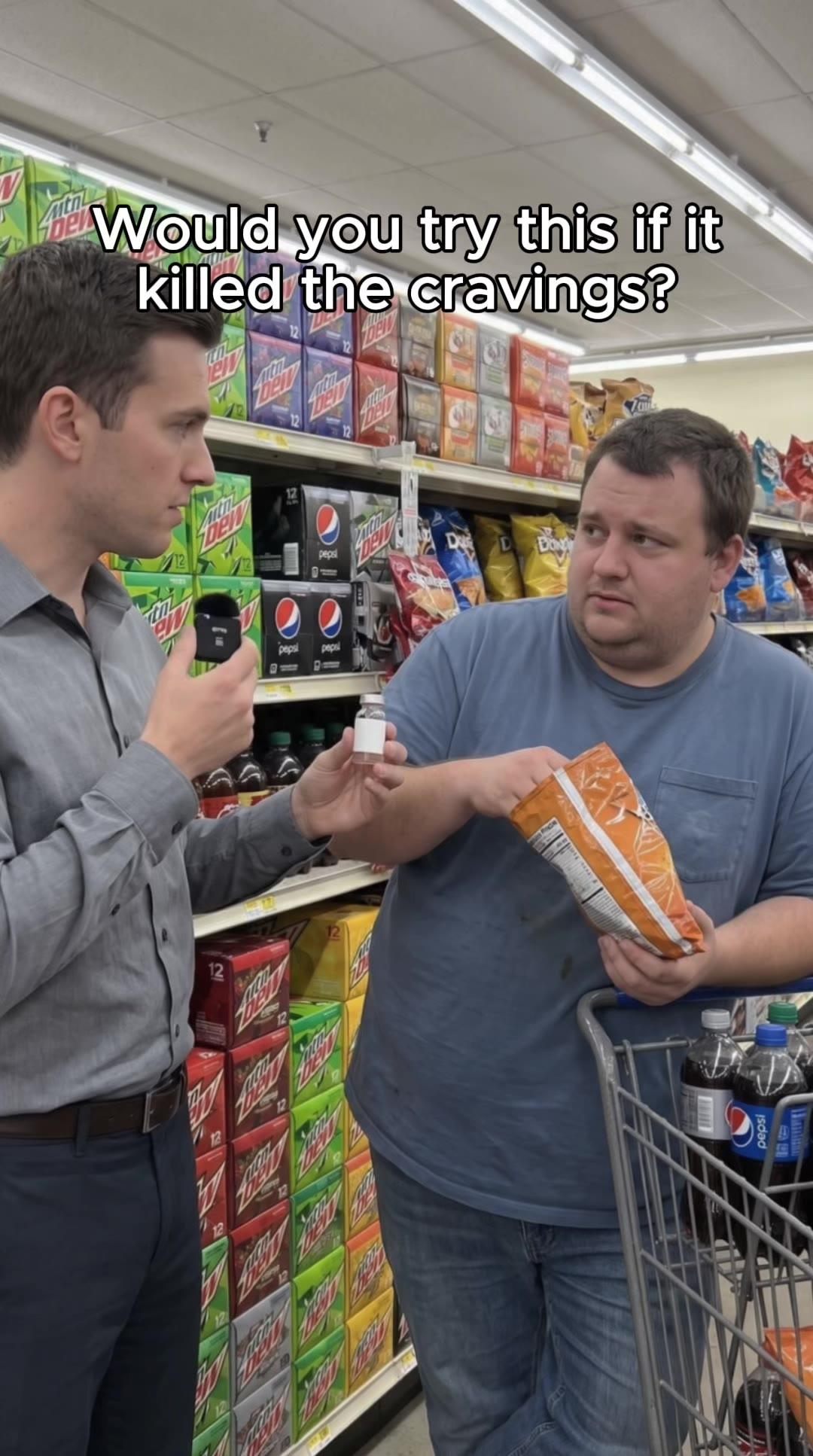
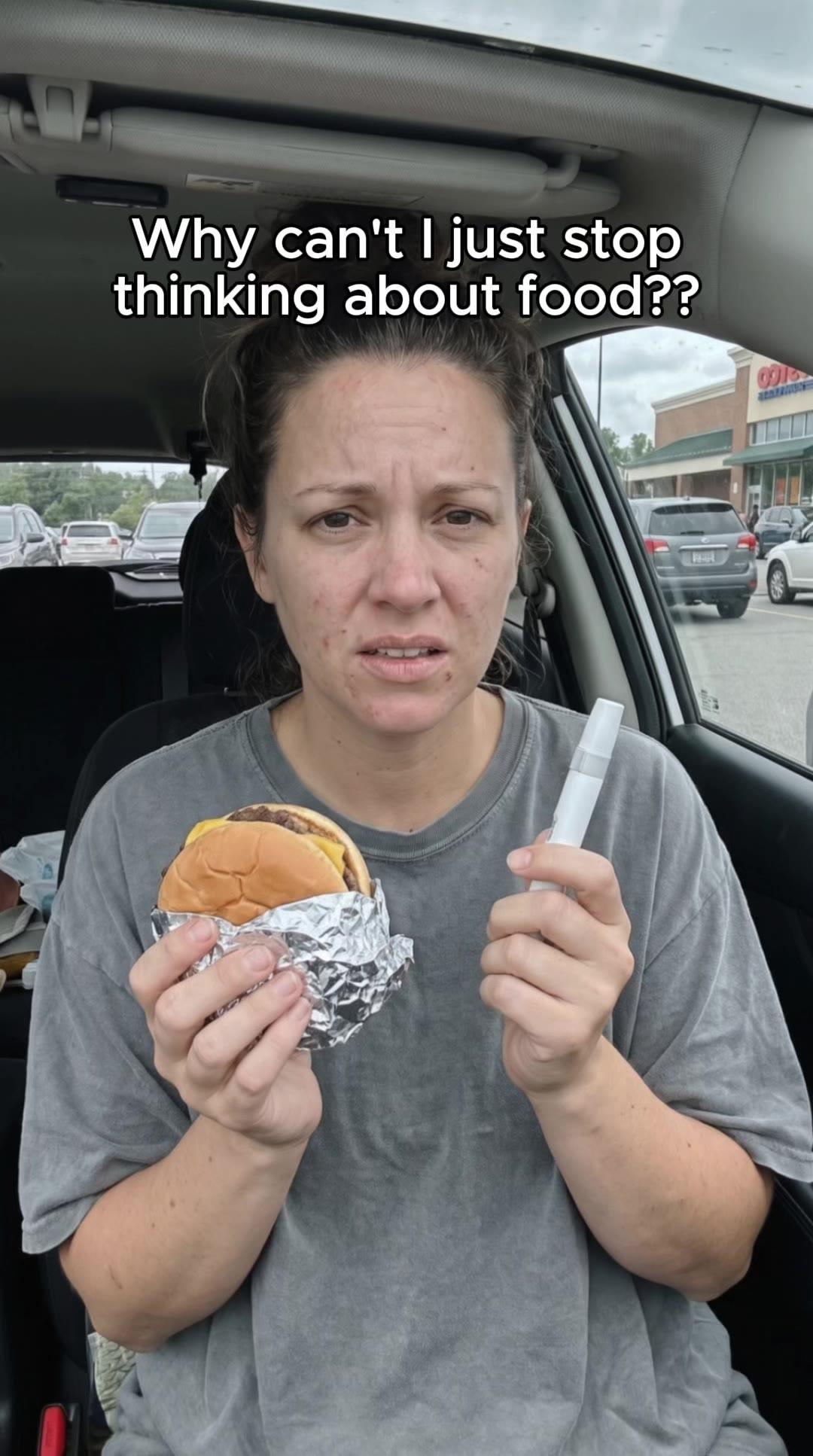
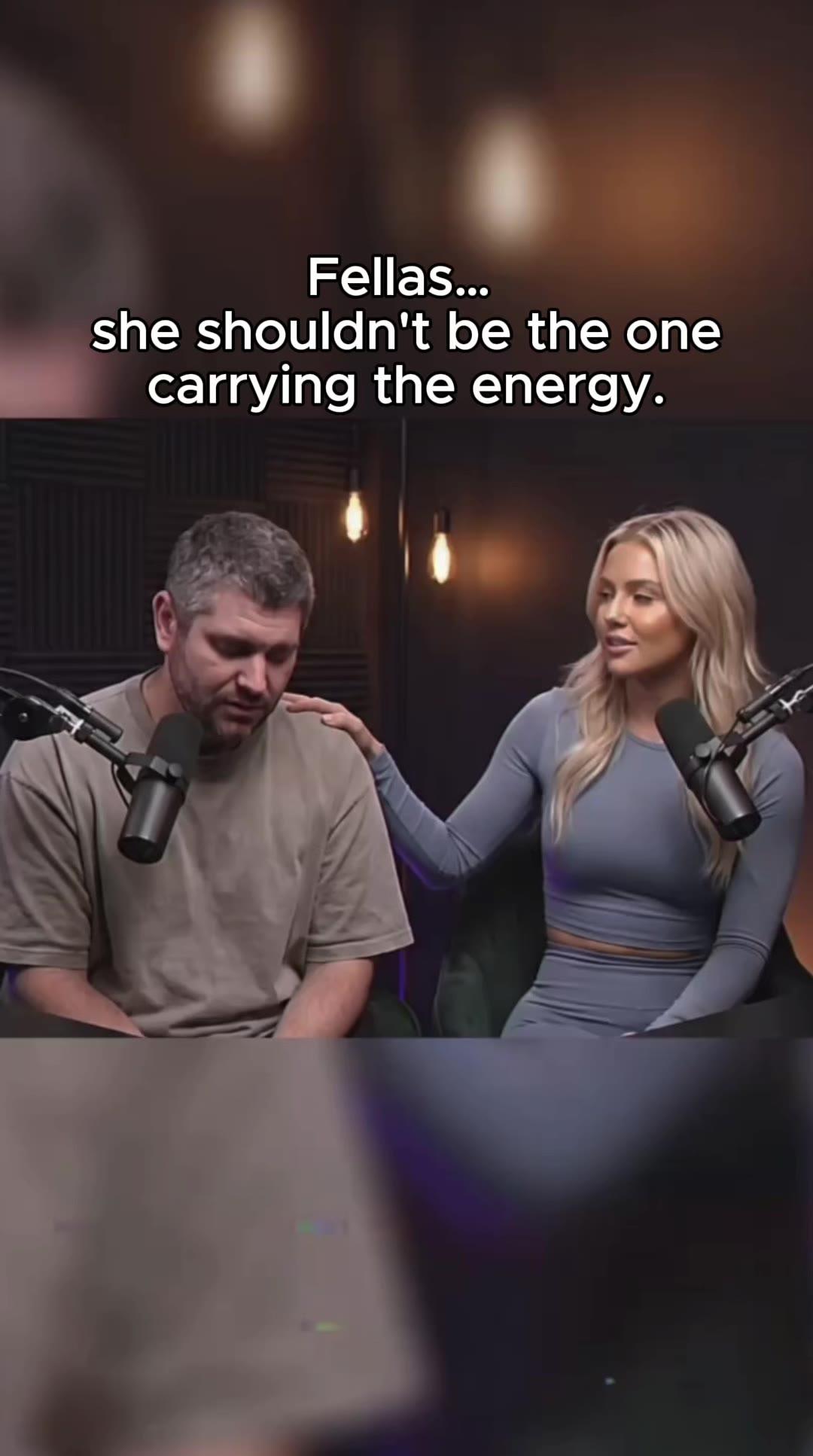
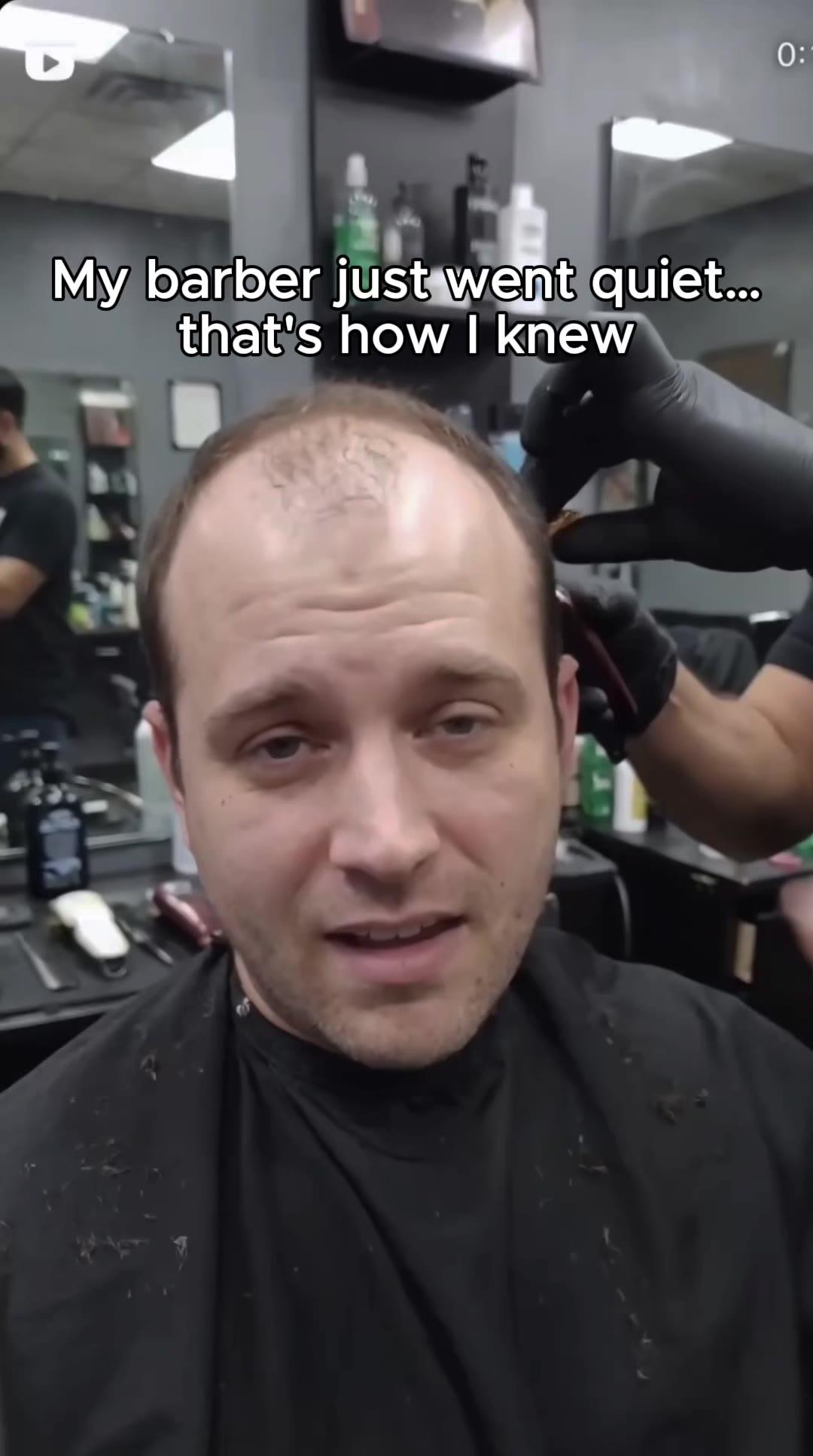

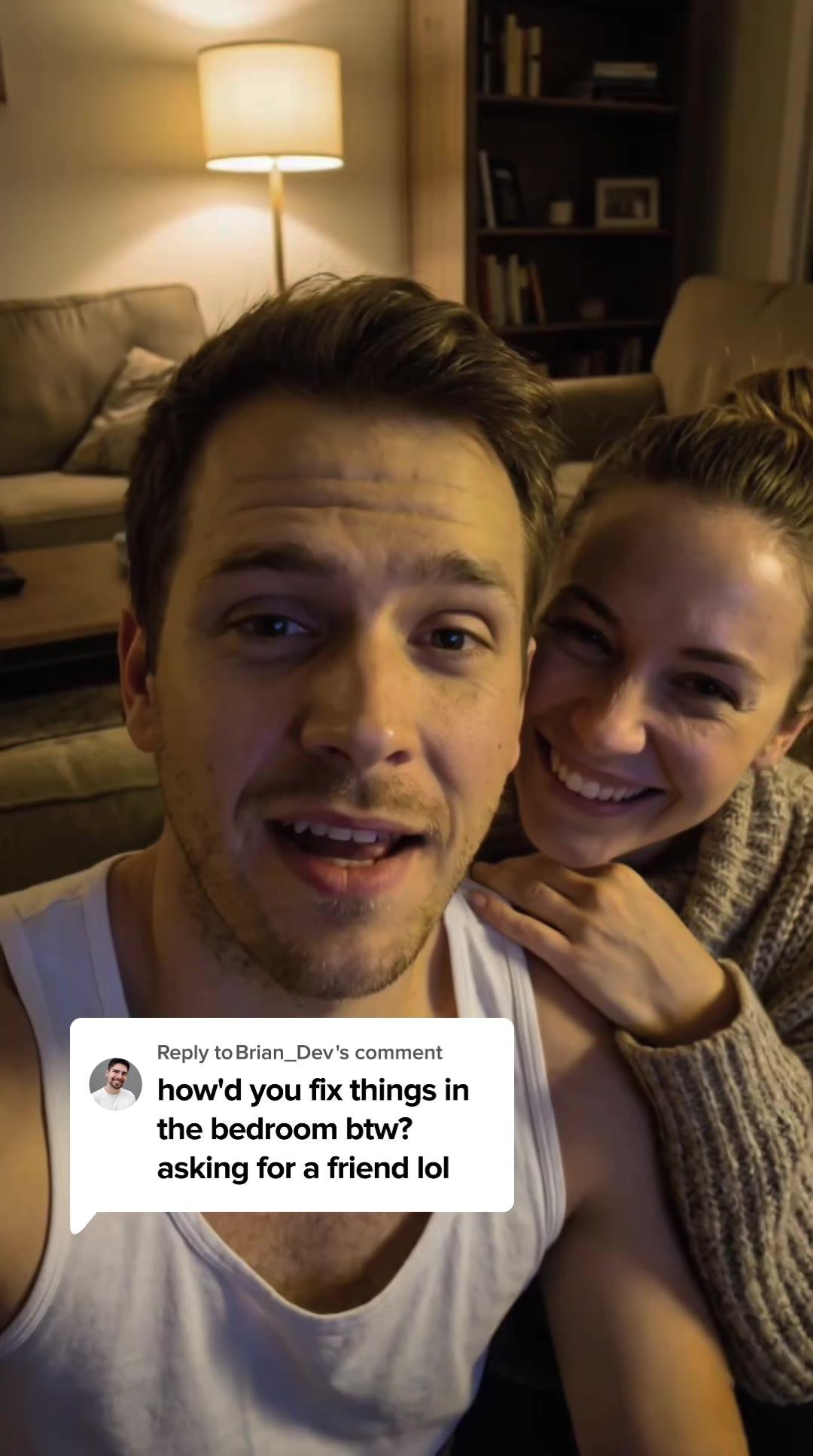
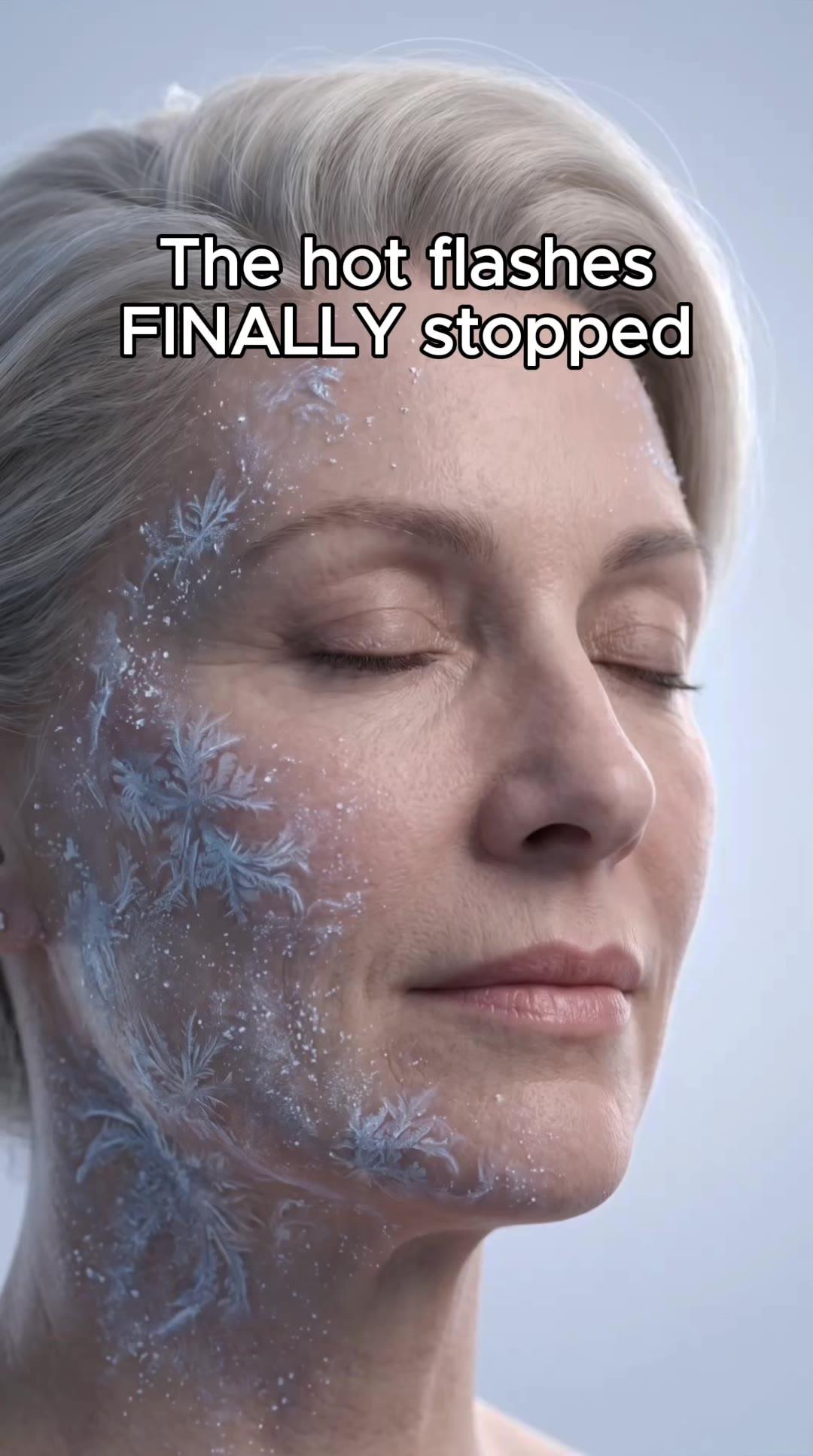
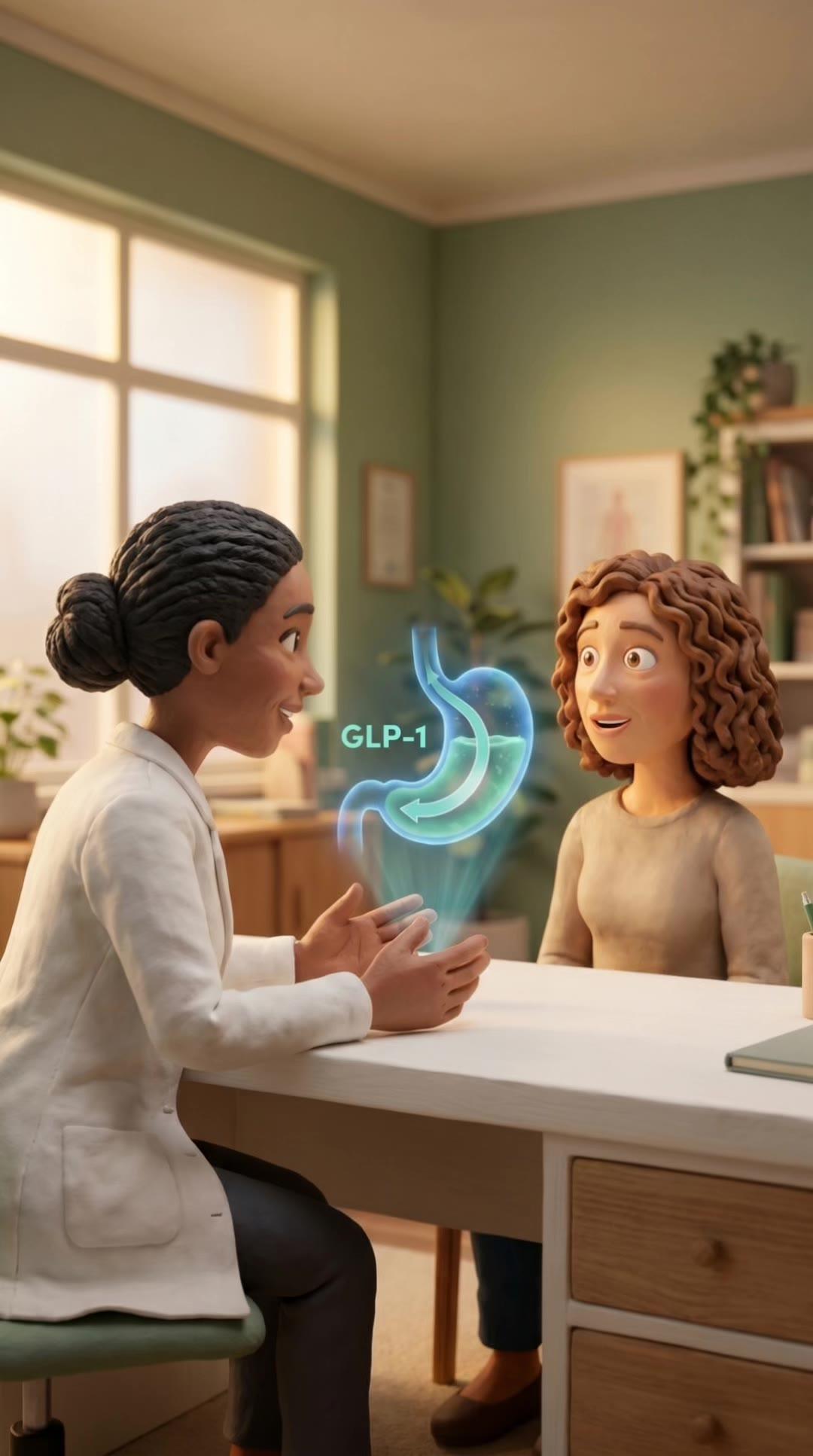
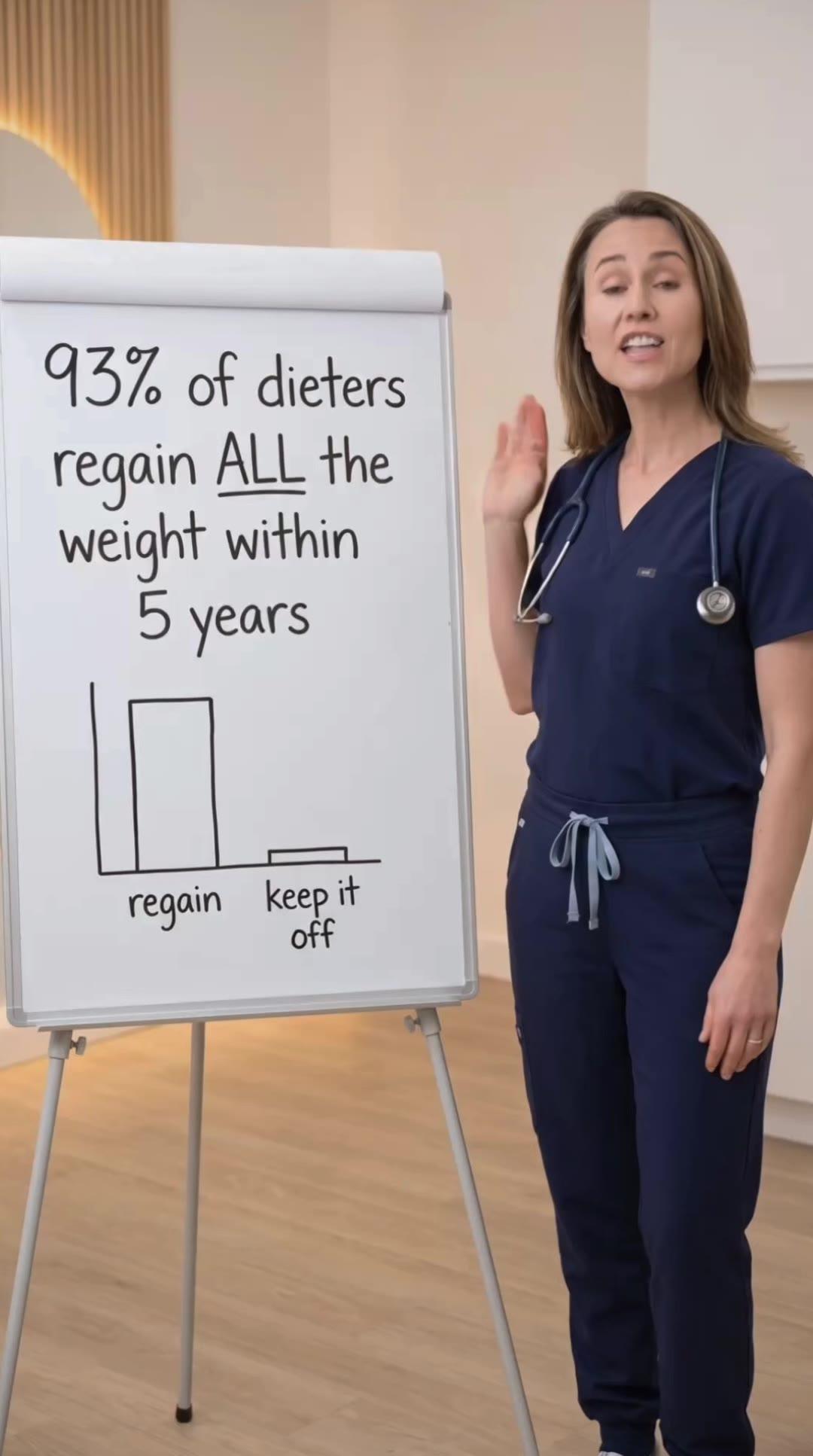
TikTok advertising for GLP-1 telehealth is real and it converts — but it operates by different rules than Meta, and the brands that treat it as an interchangeable platform spend money learning lessons that could have been avoided. GLP-1 advertising on TikTok in 2026 requires a specific understanding of the platform's healthcare policy, the ad formats that clear review, and the creative approach that actually moves the TikTok audience.
The fundamental dynamic is this: TikTok restricts pharmaceutical drug advertising but allows healthcare service advertising. The distinction in practice is framing. A GLP-1 telehealth program positioned as "access a doctor who can evaluate you for medically supervised weight management" is a healthcare service. An ad positioned around a specific drug and its effects is pharmaceutical promotion. The line is clear in principle and often requires careful copy judgment in execution.
What Gets Rejected and Why
The most consistent rejection trigger on TikTok is an ad where a specific drug name — semaglutide, tirzepatide, or brand names like Ozempic — is the primary focus of the creative. If the ad is fundamentally about the drug and its weight loss mechanism, TikTok classifies it as pharmaceutical advertising rather than healthcare service advertising, and it does not approve.
Before/after transformations showing dramatic physical changes are rejected at high rates. The platform has broad policies around body image content, and weight loss before/after content sits in a review category that generates friction regardless of whether the underlying service is medical. Even when these ads pass initial review, they often encounter enforcement action during delivery.
Specific weight loss claims — "lose X pounds in Y weeks" — will not clear review on TikTok and should not appear anywhere in your creative, overlay text, or landing page thumbnails. Any quantified outcome claim of this type is a rejection risk. The same applies to before/after percentage claims about body weight.
What Gets Approved and Converts
The ad formats that consistently approve and convert on TikTok for GLP-1 telehealth are those framed around consultation access and medical supervision. "Talk to a doctor about your weight loss options from your phone," "physician-supervised weight management program — see if you qualify," and "access online medical care for medically supervised weight management" are the structural copy patterns that clear review reliably because they are accurate descriptions of a healthcare service rather than pharmaceutical promotion.
"Free consultation" call-to-action performs well on TikTok because it lowers the barrier to the first step. The patient is not being asked to buy anything — they are being invited to have a conversation. In a vertical where patients have significant questions and uncertainty, this low-friction entry point aligns with how people actually make healthcare decisions.
Spark Ads Are the Highest-Performing Format
If there is one tactic that separates experienced TikTok GLP-1 advertisers from beginners, it is the use of Spark Ads. A Spark Ad amplifies an existing organic post — either from your own brand account or from a creator's account — through paid distribution while keeping the post's native appearance within the creator's profile. The viewer sees content that looks and feels like organic TikTok, not a brand ad.
The performance advantage of Spark Ads in this vertical is significant. Creator content — a physician explaining GLP-1 therapy, a patient describing their experience with a telehealth program, a health educator breaking down how weight loss medications work — converts at higher rates than equivalent brand-produced creative because it reads as authentic. TikTok's audience has a well-developed instinct for ad-like content and actively discounts it.
The operational approach is to recruit a roster of five to ten creators whose content aligns with your program, have them create and post organic content, then whitelist the posts that generate strong organic engagement for paid amplification. You are selecting winners from organic performance before spending paid budget, which improves efficiency significantly. The creators you want are not necessarily those with the largest followings — physicians, pharmacists, or health educators with smaller but credible audiences consistently outperform general wellness influencers with large followings.
Concepts we ship, problem-aware to product-aware.
See the work →Targeting on TikTok for GLP-1
TikTok's audience targeting is meaningfully less precise than Meta's. The platform does not have the same depth of behavioral and intent signal data that Meta has accumulated over years of user interaction. What TikTok does offer is massive reach and strong interest-based targeting around health, wellness, and weight management content — the algorithm is excellent at identifying who is engaging with GLP-1 related organic content and serving your ads to similar audiences.
For GLP-1 telehealth, interest targeting around "health and wellness" and behavioral signals based on engagement with fitness, nutrition, and weight management content produces reasonable audience quality. Custom audiences built from website visitors and video viewers allow retargeting that improves efficiency over pure cold acquisition. Lookalike audiences based on your existing patient list, where size permits, can improve targeting quality in cold campaigns.
The scale of TikTok's audience is its primary asset. If your conversion rate from click to consultation is solid and your paid search and Meta campaigns are already optimized, TikTok's reach allows you to extend into an audience you would not cost-effectively access on other platforms. The CPL will typically be higher than Meta but the incremental patient volume can be significant at scale.
Bidding Strategy and Campaign Structure
For GLP-1 telehealth on TikTok, optimizing for link clicks or landing page views at the top of the funnel is more reliable than optimizing directly for conversions until you have accumulated enough conversion data for the algorithm to learn effectively. The conversion window for GLP-1 telehealth — from first click to completed intake or consultation — involves multiple steps and a variable time lag that makes early-stage conversion optimization unstable.
Once you have sufficient conversion volume in your TikTok account, shifting to a target CPA or value-based bidding strategy for completed intakes produces better efficiency. Getting to that volume requires an initial period of lower-funnel event optimization — landing page views, intake form starts — before you have enough data for full conversion optimization.
Creative Fatigue Comes Faster on TikTok
TikTok audiences encounter content at a higher velocity than Meta audiences. The feed moves faster, content expectations for novelty are higher, and a creative that performs well for two weeks often deteriorates sharply in week three. Plan to refresh TikTok creative every two to three weeks when running active paid campaigns. This is not a failure of the creative — it is the platform's nature.
The practical implication is that your creative production process needs to be built for volume. Spark Ads from a rotating roster of creators gives you a natural refresh mechanism because each creator's content is stylistically distinct. Supplementing with internal brand creative in different formats — varied hooks, different story structures, seasonal angles — maintains performance across a longer campaign window.
Organic TikTok as the Foundation for Paid Performance
The relationship between organic TikTok presence and paid ad performance is more direct on this platform than on any other major advertising channel. A brand with an active organic TikTok account — posting educational content about GLP-1 therapy, weight management, and the telehealth model — builds audience familiarity that makes paid ad conversion more efficient. A patient who has seen your organic content three times before encountering a paid ad has a dramatically different conversion probability than a patient seeing you for the first time in a paid context.
Organic content also serves as your creative testing ground. Posts that achieve strong organic reach have already demonstrated audience resonance — they are the natural candidates for Spark Ad amplification. The cost of organic content creation is typically far lower than paid production, and the insights it generates about what messaging and format your audience responds to are genuinely more reliable than even rigorous paid creative A/B testing.
GLP-1 brands that treat TikTok purely as a paid acquisition channel are leaving significant efficiency gains on the table. The organic and paid sides of TikTok reinforce each other in ways that justify investment in both — and the brands that build both simultaneously acquire patients more cheaply than those relying on paid alone.
Related Articles
TikTok vs Facebook for GLP-1 Ads
How TikTok and Facebook compare for GLP-1 telehealth advertising — audience quality, approval rates, CPL, and which platform works best at each funnel stage.
UGC Ads for GLP-1 Telehealth
How to use user-generated content in GLP-1 telehealth advertising. Creator briefs, compliance guardrails, and creative formats that convert.
GLP-1 Telehealth Creative Fatigue
How to identify and address creative fatigue in GLP-1 telehealth ad accounts. Refresh cadence, testing frameworks, and what to do when performance drops.
Your next GLP-1 batch, minus the compliance roulette.
A 30-minute call. We audit your creative approach and show you exactly what a complete angle-format-hook system looks like for your vertical.